
Last updated November 22, 2026
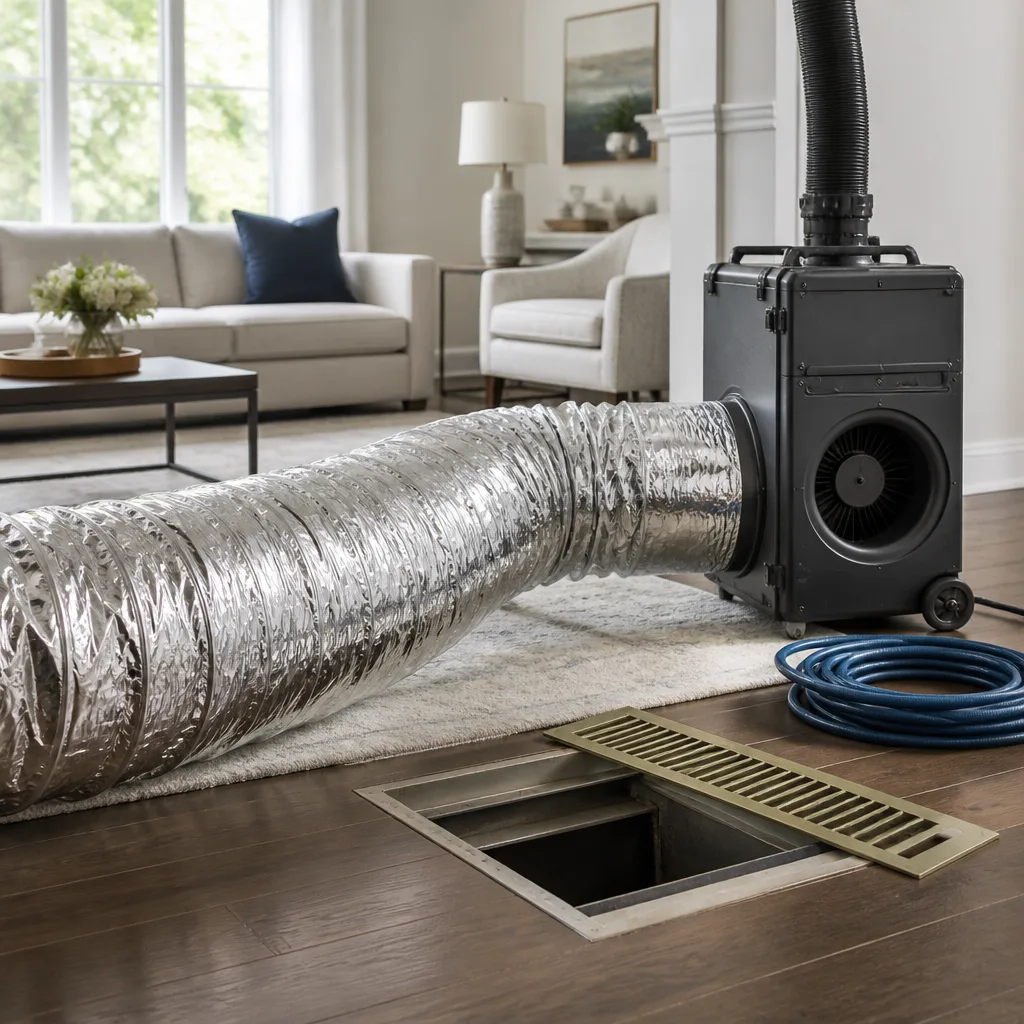 Whole-home duct cleaning
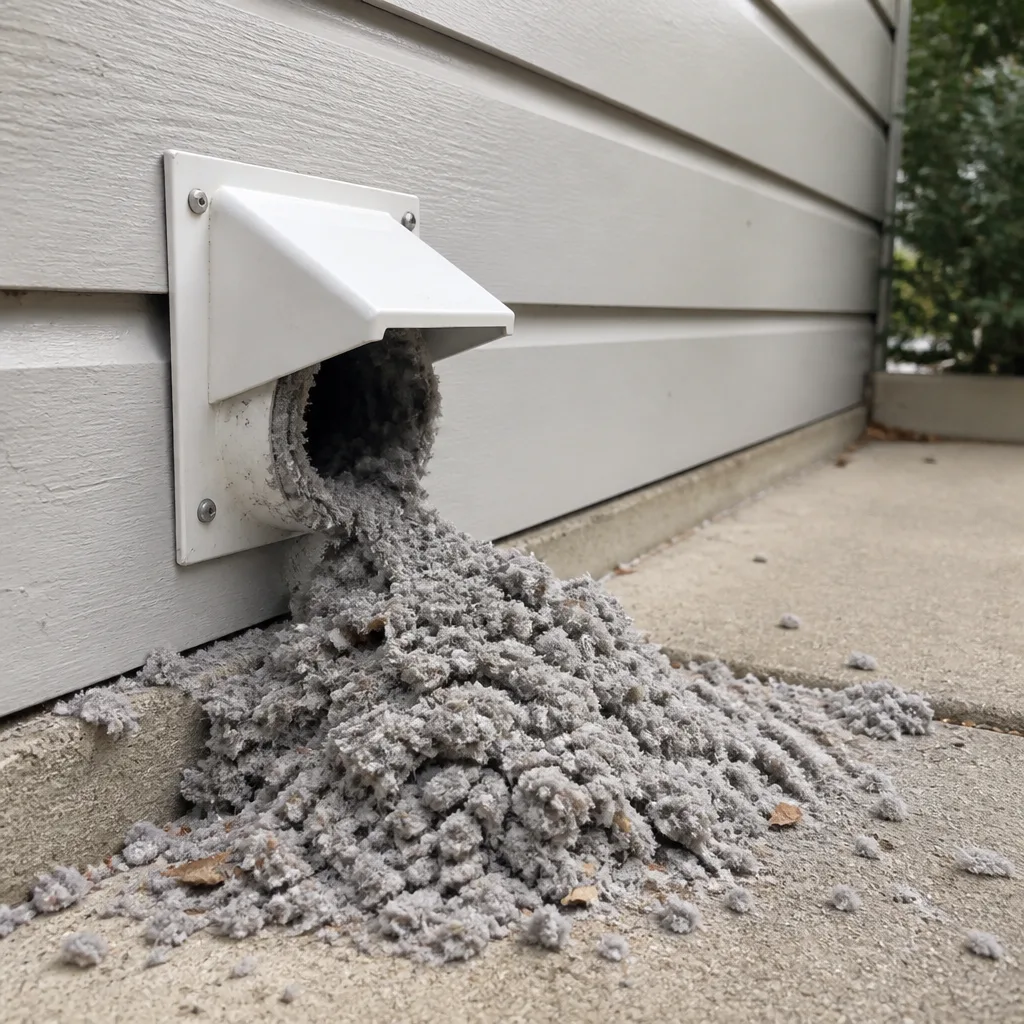 Dryer vent cleaning
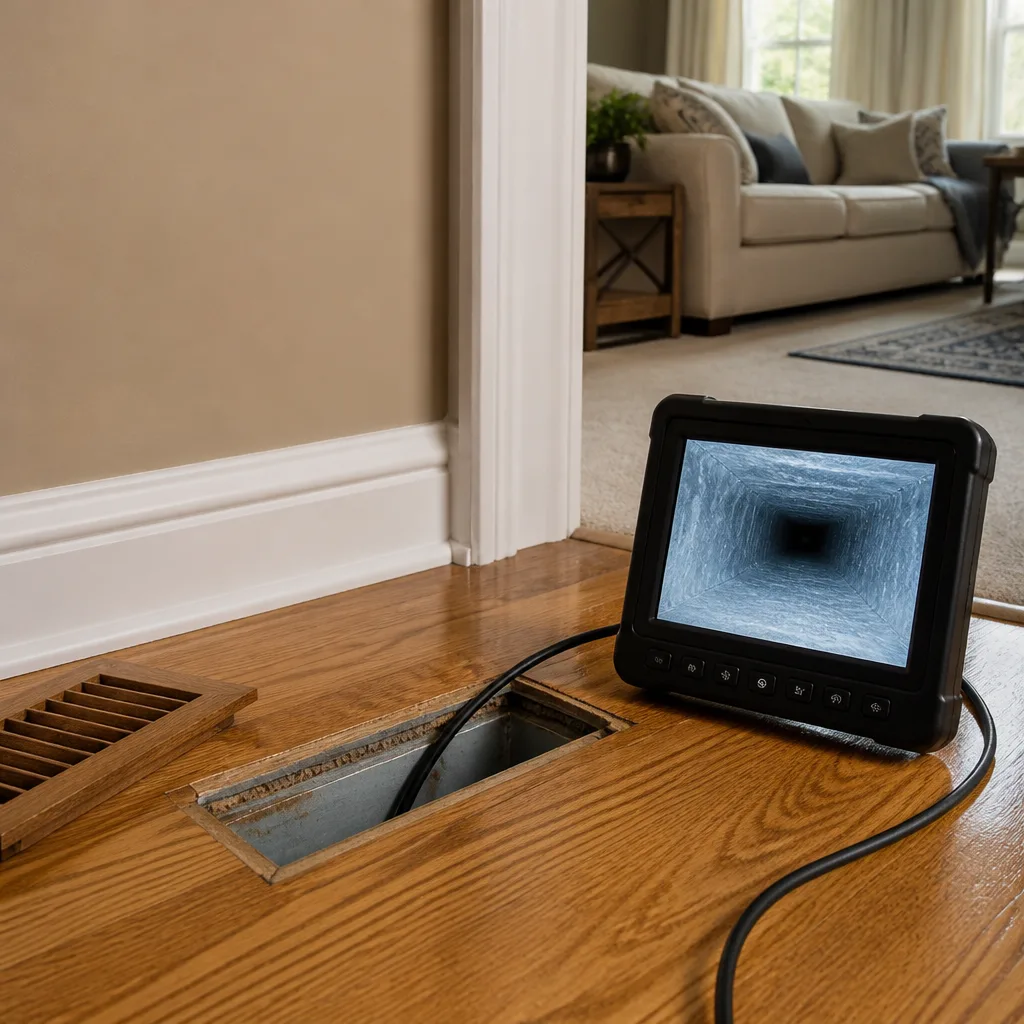 Camera inspection
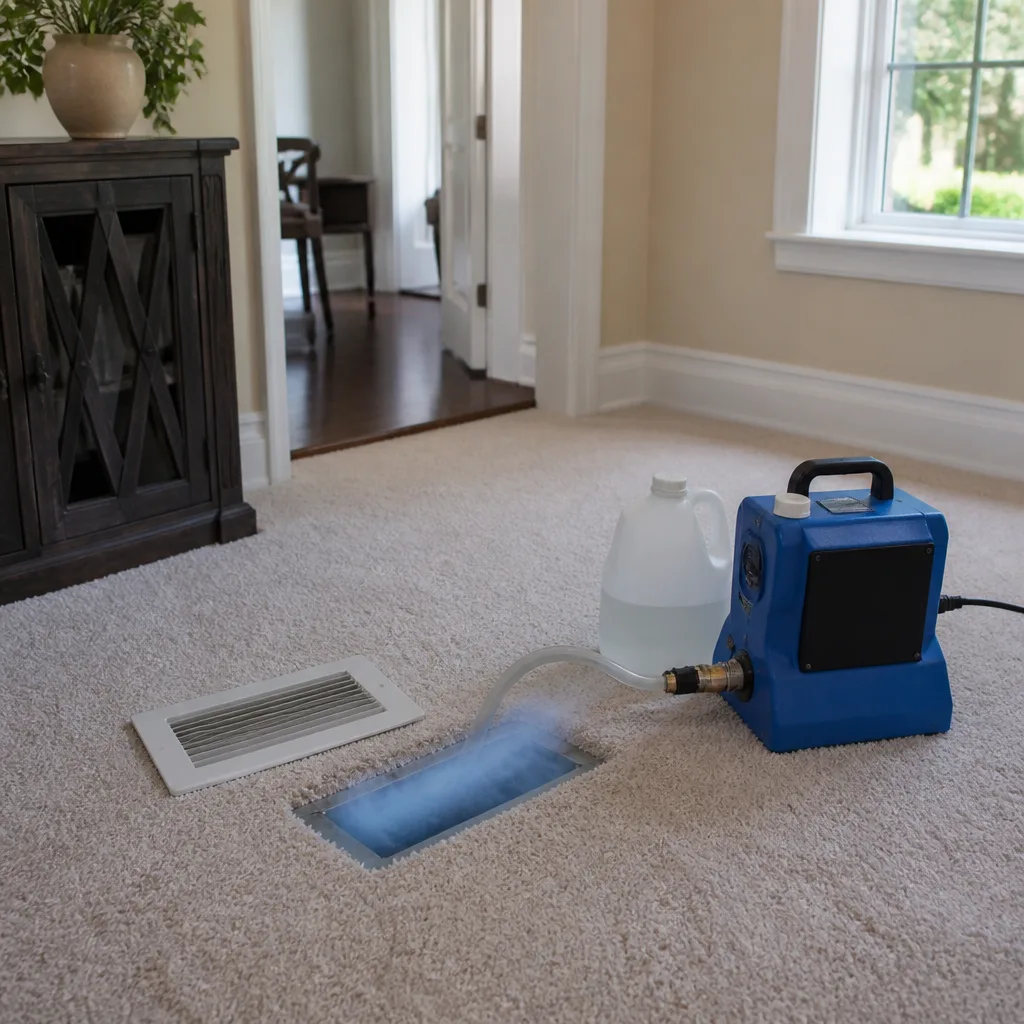 Sanitizing & deodorizing
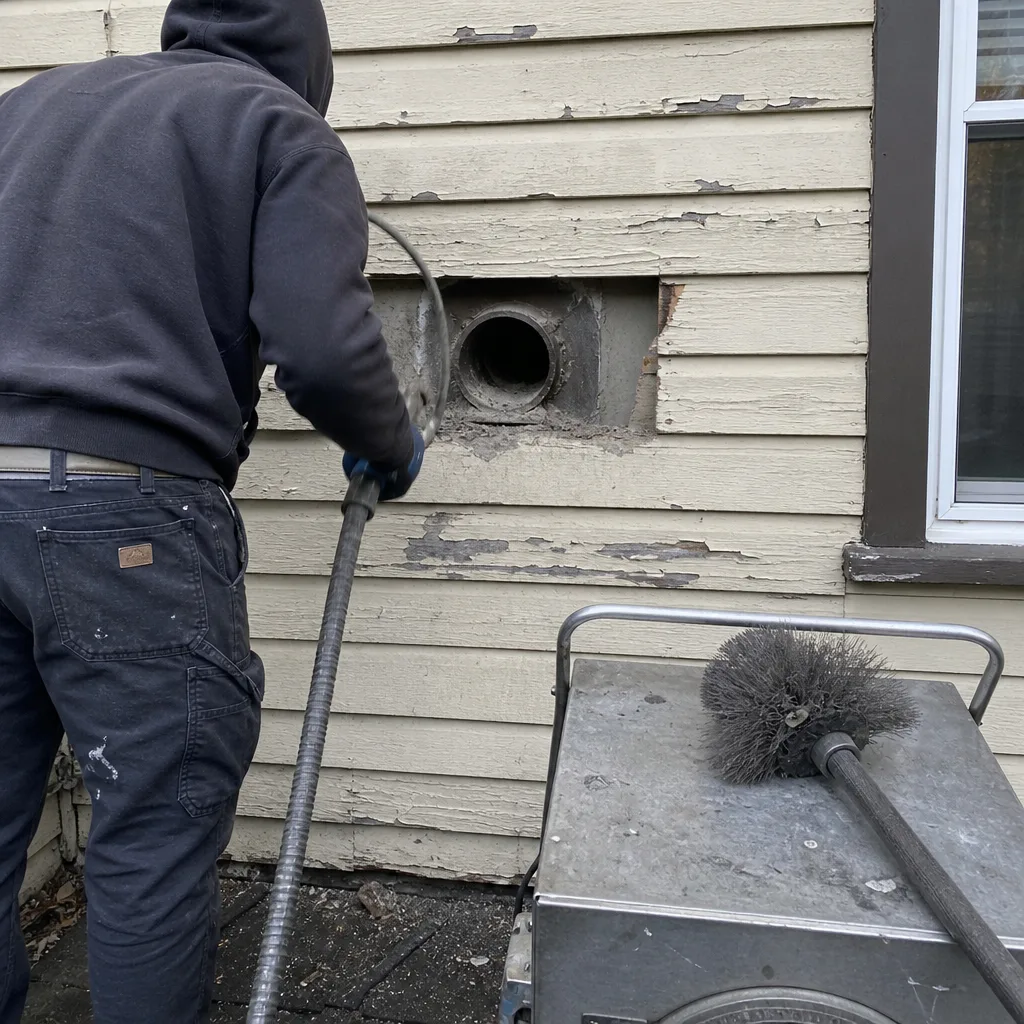
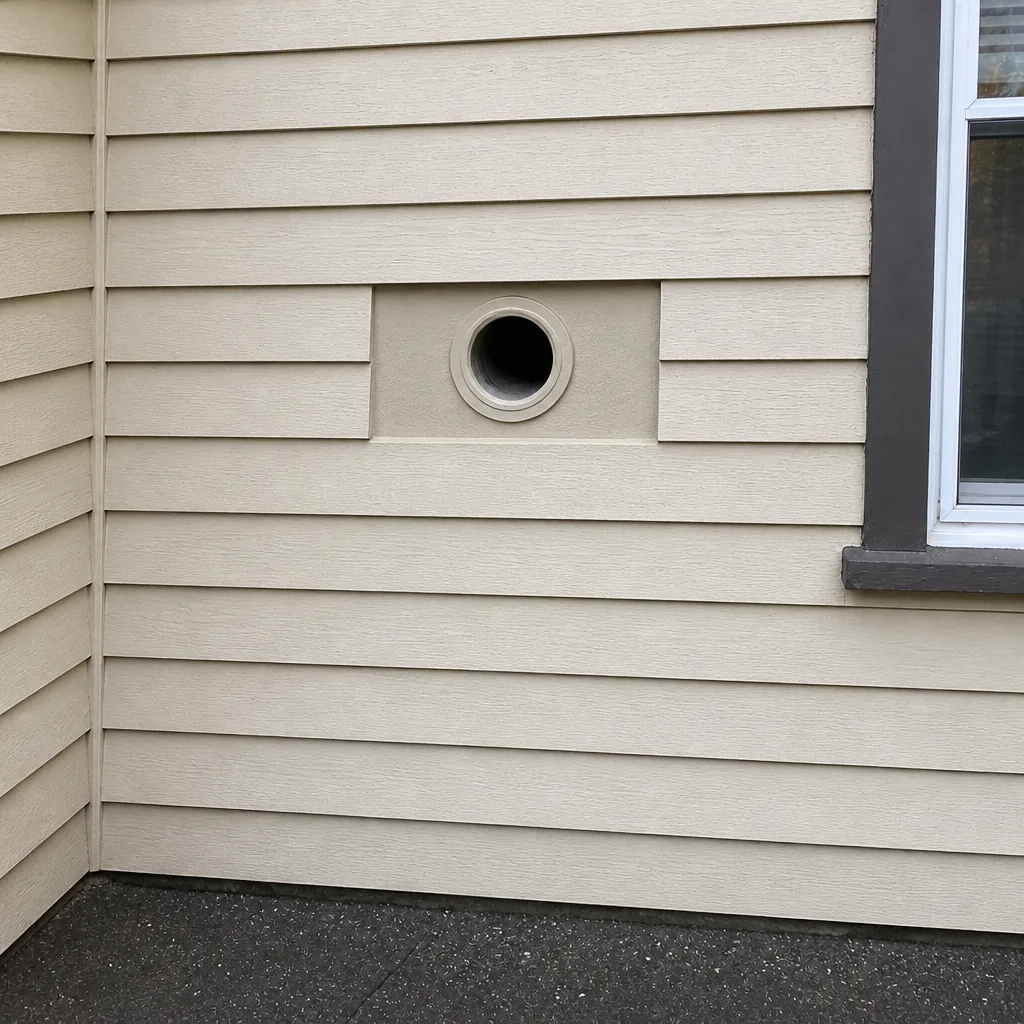
Whole-system duct and dryer vent check with before-and-after photos - you see exactly what came out of your vents
That "$99 whole-house special" is a bait ad - the real number appears once they are in your hallway, or the "clean" is a shop-vac at the register. We photograph the inside of your ducts before and after instead.
Air Duct Cleaning Warning Signs: A Richmond Hill Homeowner’s Reference Guide
A musty smell that only shows up when the heat kicks on usually isn’t a duct problem at all. Most of the time it’s a dirty heat exchanger or a contaminated drain pan, and no amount of duct cleaning will touch it. That mismatch between symptom and source is why so many Richmond Hill homeowners pay for the wrong service. This guide fixes that. Instead of handing you a checklist of vague warnings, we connect each sign you can actually observe to the specific failure point inside your air system that’s likely producing it. You’ll learn what to watch, what to fix, and what to ignore.
Styles & brands we work with
- Whole-home duct cleaning
- Dryer vent cleaning
- Camera inspection
- Sanitizing & deodorizing
Quick Answer
The warning signs that matter most are visible dust blowing from grilles after a cleaning, musty odors that appear only when the system runs, uneven airflow between rooms, and increased allergy symptoms that ease when you leave home. Each of these points to a different part of your air system, from supply ducts and return plenums to the HVAC unit itself, so the fix depends on which sign you’re seeing.
Table of Contents
- The Symptom-to-Source Diagnostic Map
- Odors: What They Tell You About Your System
- Dust Patterns at Grilles and Registers
- Airflow Changes Room to Room
- Noise: Rattles, Whistles, and Rumbles
- Normal Dust vs. Biofilm Discoloration
- Aging Ductwork in Older Richmond Hill Homes
- Health Symptom Patterns That Point to Air Contamination
- Monitor vs. Service Call: Clear Criteria
The Symptom-to-Source Diagnostic Map
Most guides treat every warning sign the same, as if a smell and a rattle mean the same thing. They don’t. Your air system has distinct zones, and each zone fails in its own way. A supply duct that’s pulled away from its boot produces one set of clues. A clogged filter produces another. Reading those clues correctly is the whole game.
Here’s how the four main symptom categories map to their likely source points:
- Odors when the fan runs – contaminated heat exchanger, dirty evaporator coil, or standing moisture in the drain pan.
- Odors that linger even when the system is off – organic growth inside duct lining or insulation, often where condensation collects.
- Dust plumes from specific grilles – duct joint separation or cracks in the plenum, pulling attic or wall-cavity air into the supply.
- Uneven airflow – crushed branch ducts, disconnected flex runs, or a filter that’s choked down the whole system.
- Rattles and whistles – loose duct strapping, undersized returns, or a blower that’s pulling against restriction.
That last one surprises people. A whistle at a register often means the duct behind that wall is too restrictive, not that it needs cleaning. If a Richmond Hill home has an older forced-air layout, that restriction may have been there since the day it was installed. Cleaning an undersized duct won’t make it quieter, and treating the noise as “just how it is” leaves a real efficiency problem in place.
We’ve also found that symptoms rarely show up alone. A single room with both weak airflow and visible dust at the grille usually points to one disconnected run, not two separate problems. That’s why we walk every home with the same system-level view: Air Duct Cleaning Richmond Hill treats cleaning as one piece of a full air-system inspection, not a standalone task.
Odors: What They Tell You About Your System
A smell that appears right after the heat comes on is the single most misdiagnosed symptom we run into. Homeowners assume ducts, but a heating-specific smell almost always traces to the heat exchanger or the area around it. The ducts just carry the smell into the room. Cleaning them removes the messenger, not the message.
Odor types and their likely origins:
- Dusty, “burnt” smell on first heat each season – normal to a small degree, from dust settling on the heat exchanger over the off-season. If it clears within a few cycles, it’s nothing.
- Persistent musty or dirty-sock odor – often the evaporator coil or a wet drain pan, especially in a home with a cooling system that runs hard in summer humidity.
- Sharp, sour smell when the fan runs but not the heat – frequently microbial growth in duct lining where condensation collects.
- Chemical or exhaust smell – stop and investigate before running the system again. This is a safety signal, not a cleaning signal.
Richmond Hill’s humid summers are hard on cooling coils. When an evaporator coil stays damp for weeks because it isn’t reaching full temperature, the surface becomes a growth site. That moisture issue lives in the HVAC unit, not the ducts. Our HVAC cleaning service exists precisely because cleaning the ducts while leaving a contaminated coil behind produces a home that still smells and still reacts.
The practical takeaway: note exactly when the smell appears, and which mode the system is in. That one detail tells a technician more than any description of “musty” ever could.
Dust Patterns at Grilles and Registers
Grille dust is the hardest sign to read because there are two very different types. Surface dust on the face of a grille is mostly settled household dust, and it means very little. Dust spraying out of the slots after your system runs is a different animal, and it usually points to a pressure problem.
Here’s how to tell them apart on your own:
- Wipe one grille clean with a dry cloth and let the system run for a day.
- Check the grille again. A light even film is normal settling. A concentrated plume from specific slots is not.
- Look at the wall or ceiling directly above and below the grille. A dark streak or shadow there means air carrying particles is escaping around the edge.
- Check a grille in a room you rarely use. If that one stays clean while the busy rooms don’t, the problem is likely localized to those runs.
Uneven dust like this is often the first visible sign of duct joint separation. When a supply run pulls away from its boot or the plenum develops a crack, the system draws air from the wall cavity or attic rather than the return. That air is unfiltered, and it lands on the grille and in the room. Richmond Hill has a large share of homes with original ductwork behind finished walls, where a failed joint is easy to miss and easy to misread as a cleaning failure.
If your ducts were cleaned recently and you’re still seeing plumes, don’t assume the cleaning was fake. Patching the hole is the fix, and that’s why air duct cleaning in our service menu pairs directly with repair and sealing.
Airflow Changes Room to Room
Strong airflow at the bedroom register and weak airflow at the register above the front door is a common complaint. It’s also one of the most useful diagnostic signs, because weak airflow in one zone and strong in another points to the duct network itself, not to dirt.
What each pattern suggests:
- One room weak, others fine – a crushed, disconnected, or restricted branch run feeding that room.
- Far end of the house weakest – static pressure too high for the layout, or a filter that’s choking the system.
- Every room weak – restriction at the filter, blower, or return duct. Start at the filter.
- Airflow that comes and goes – oversized system cycling, or a blower that’s struggling against blocked coils.
A quick filter check is worth doing before you call anyone. A return grille filter that’s grey and matted with lint is restricting the whole system, and swapping it takes minutes. If airflow improves, you’ve found it. If the filter is clean and one room is still weak, the restriction is inside the duct run.
In our experience across Richmond Hill, flex duct that’s been crushed or kinked during a renovation is the most common cause of single-room weakness. No amount of cleaning restores airflow through a duct that’s been physically collapsed. Diagnosing it means tracing the run, and that’s a job for someone with the tools to look inside the system rather than just at the grille.
Noise: Rattles, Whistles, and Rumbles
Airflow noise is the sign most homeowners tune out, and that’s a mistake. A system that’s quietly running should sound like moving air, nothing more. Every other sound has a source, and it’s usually findable.
Noise matched to likely cause:
- Rattling or banging in the walls – loose duct strapping, or a duct surface vibrating against framing.
- Whistling at a register – undersized duct, or an obstruction that’s narrowed the passage.
- Rumbling from the unit itself – motor or blower vibration, often from a dirty blower wheel.
- Popping or clicking when the system starts – duct metal expanding against a tight joint, sometimes a sign of an unsealed joint moving under pressure.
Noise rarely means “needs cleaning” on its own. It means something is loose, restricted, or unbalanced. We flag it here because homeowners often book a cleaning hoping noise will stop, and it doesn’t, because cleaning a duct doesn’t strap it back in place.
That said, a dirty blower wheel really does produce a low rumble, and it’s a genuine cleaning target. On many systems the blower and blower housing collect dust fast, especially when the filter has been neglected. Cleaning them restores both quiet operation and airflow. If the noise is in the mechanical unit rather than the ductwork, our team examines it as part of the same air-system visit rather than replacing the unit blindly.
Normal Dust vs. Biofilm Discoloration
Not everything dark on a grille or duct wall needs sanitizing. Some of it is ordinary dust. Some of it is biofilm, and the difference determines whether cleaning alone is enough or whether the system needs treatment after the clean.
Here’s how to tell them apart:
- Normal dust is dry, grey-brown, and wipes off easily. It collects evenly and doesn’t smell.
- Biofilm is dark, greasy, or patchy, and often grows in concentrated spots where moisture collects. It may smell musty or sour, and it tends to come back quickly after wiping.
Biofilm growth tends to sit downstream of a moisture source: the cooling coil, a wet drain pan, or a duct run that sweats in humid weather. Cleaning the ducts removes the surface growth but not the moisture. If the damp source stays, the growth comes back.
That’s why we recommend mechanical cleaning followed by a sanitizing step where the pattern justifies it, and moistur
See the difference
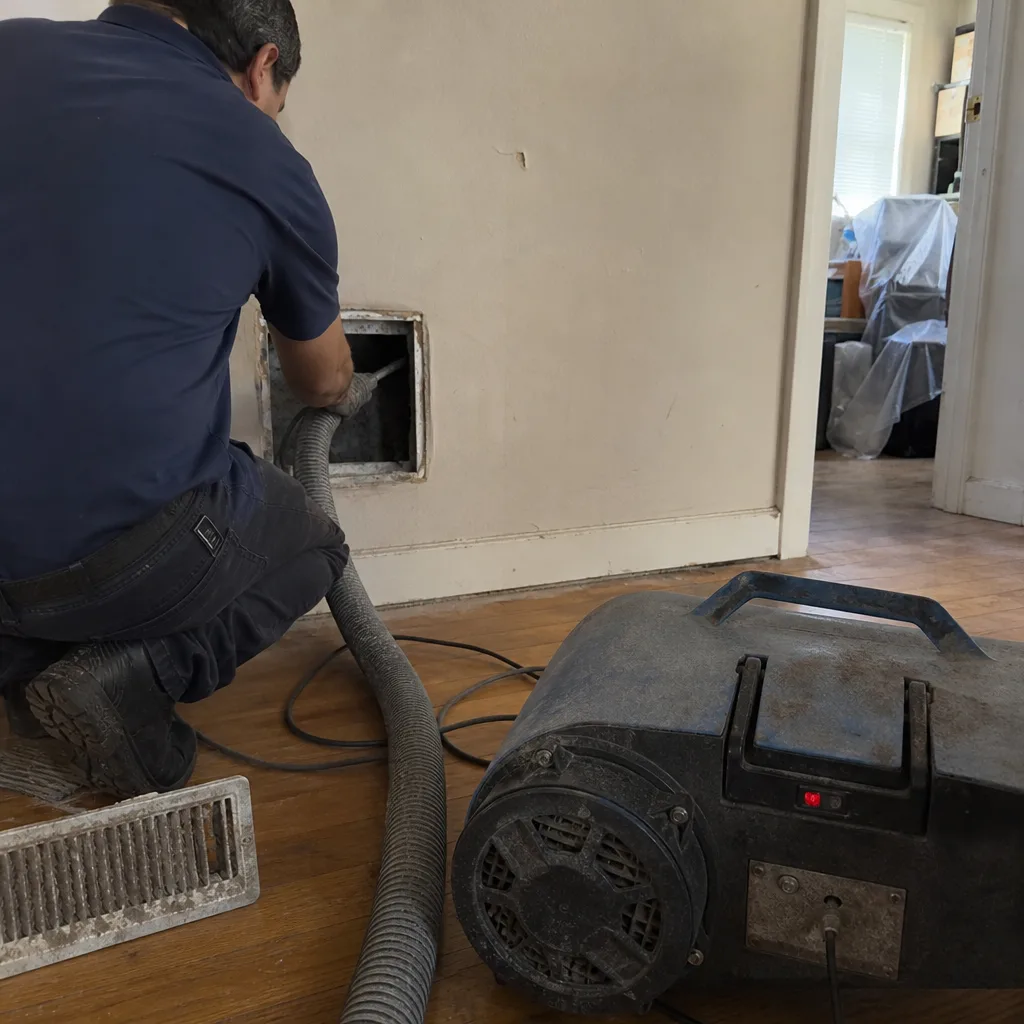 Before
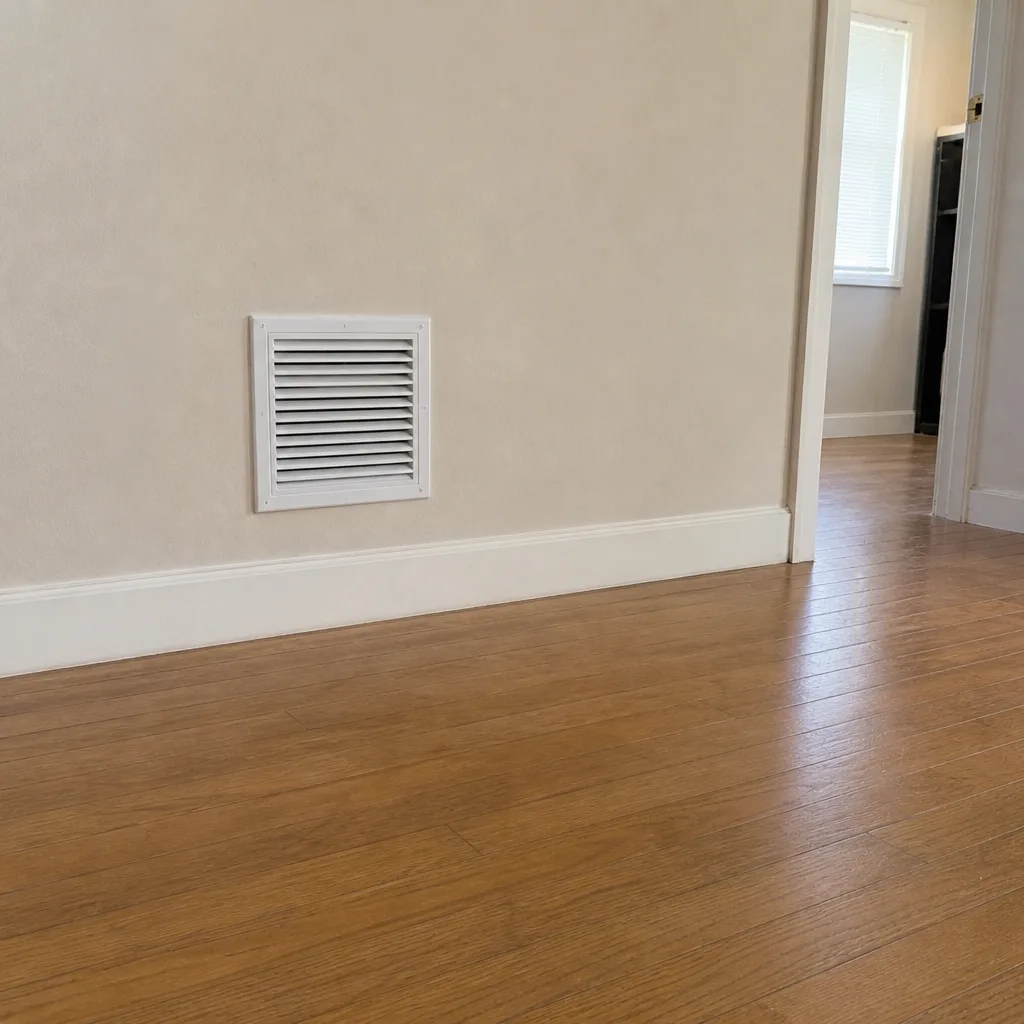 After
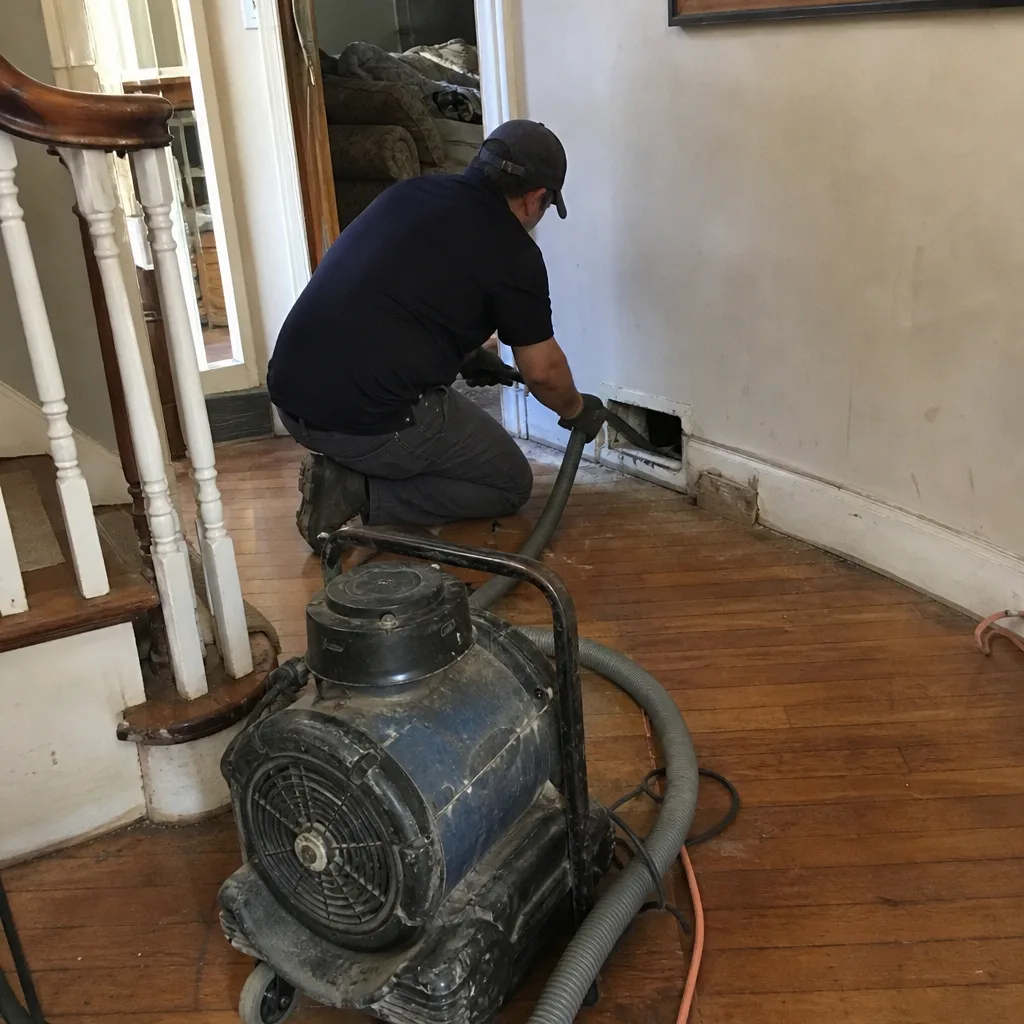 Before
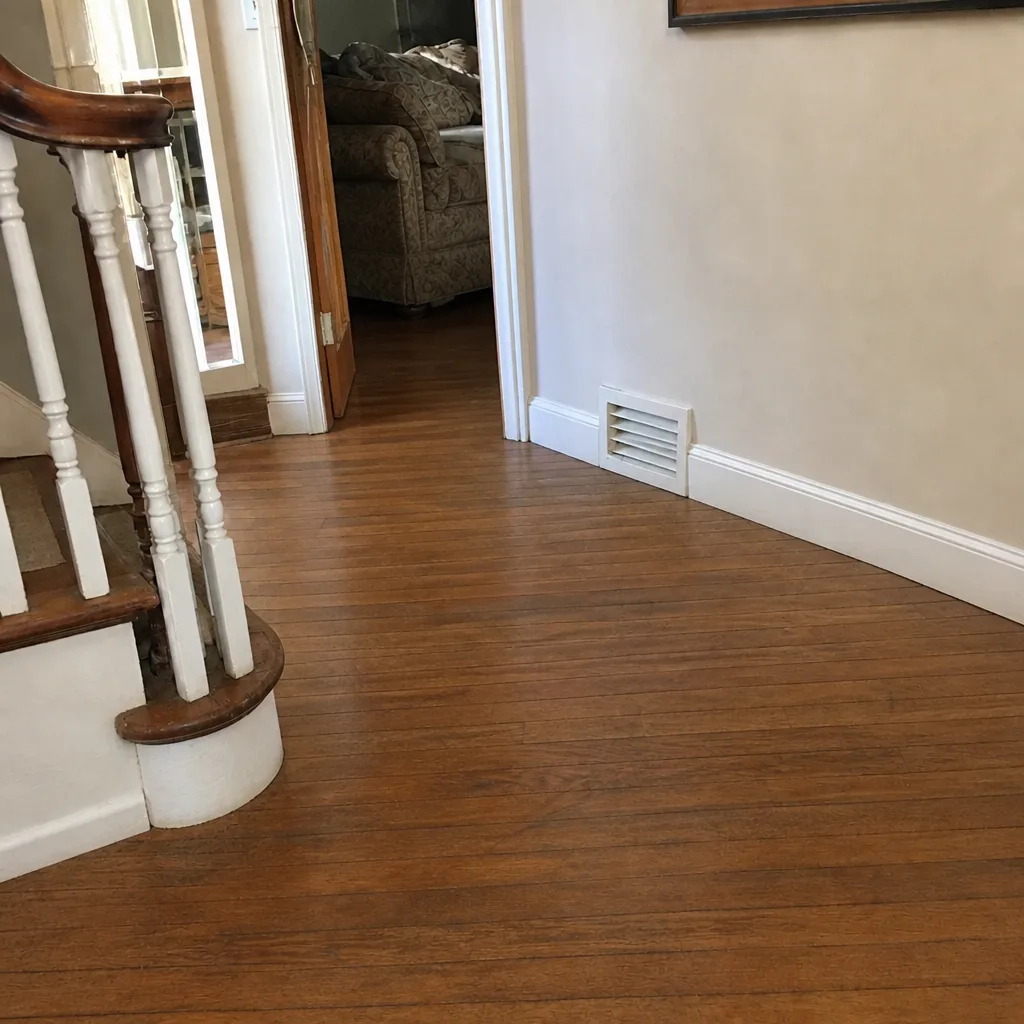 After
 Before
 After