
Last updated November 22, 2026
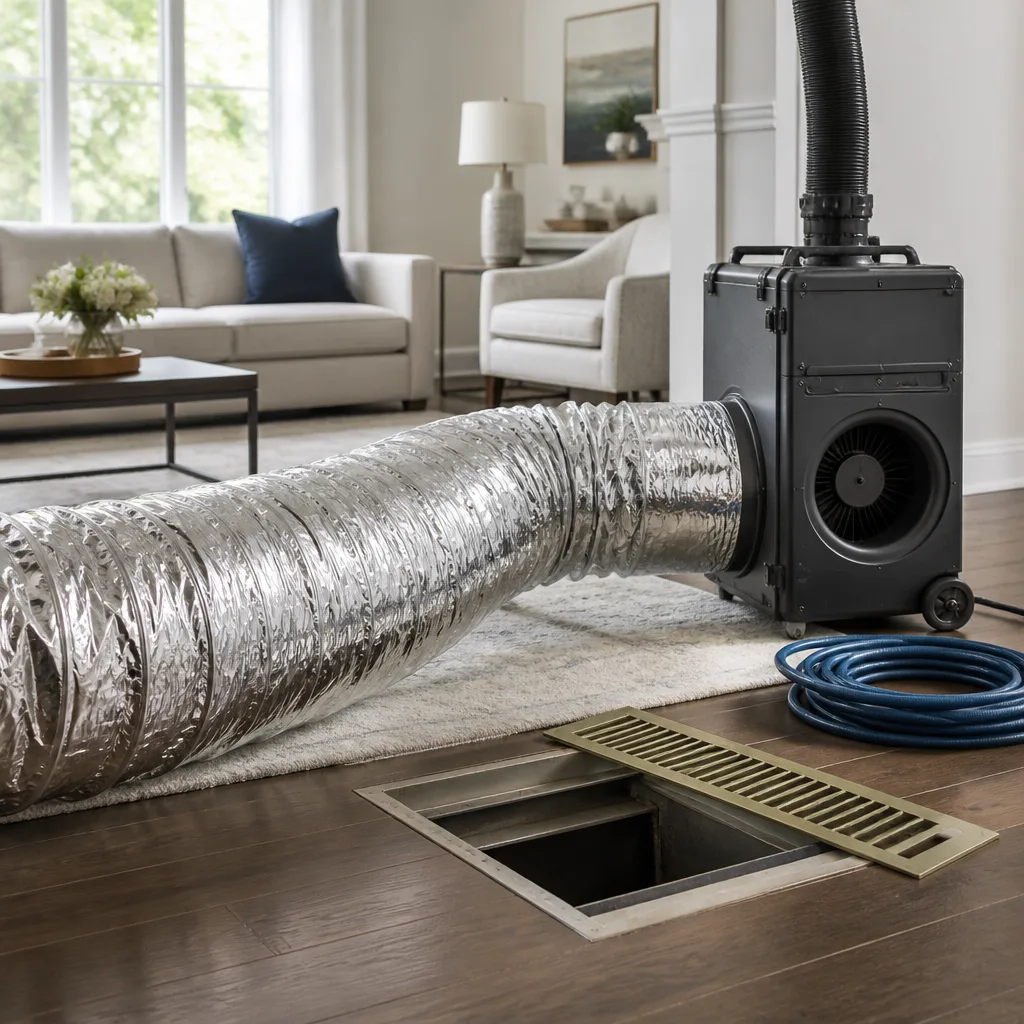 Whole-home duct cleaning
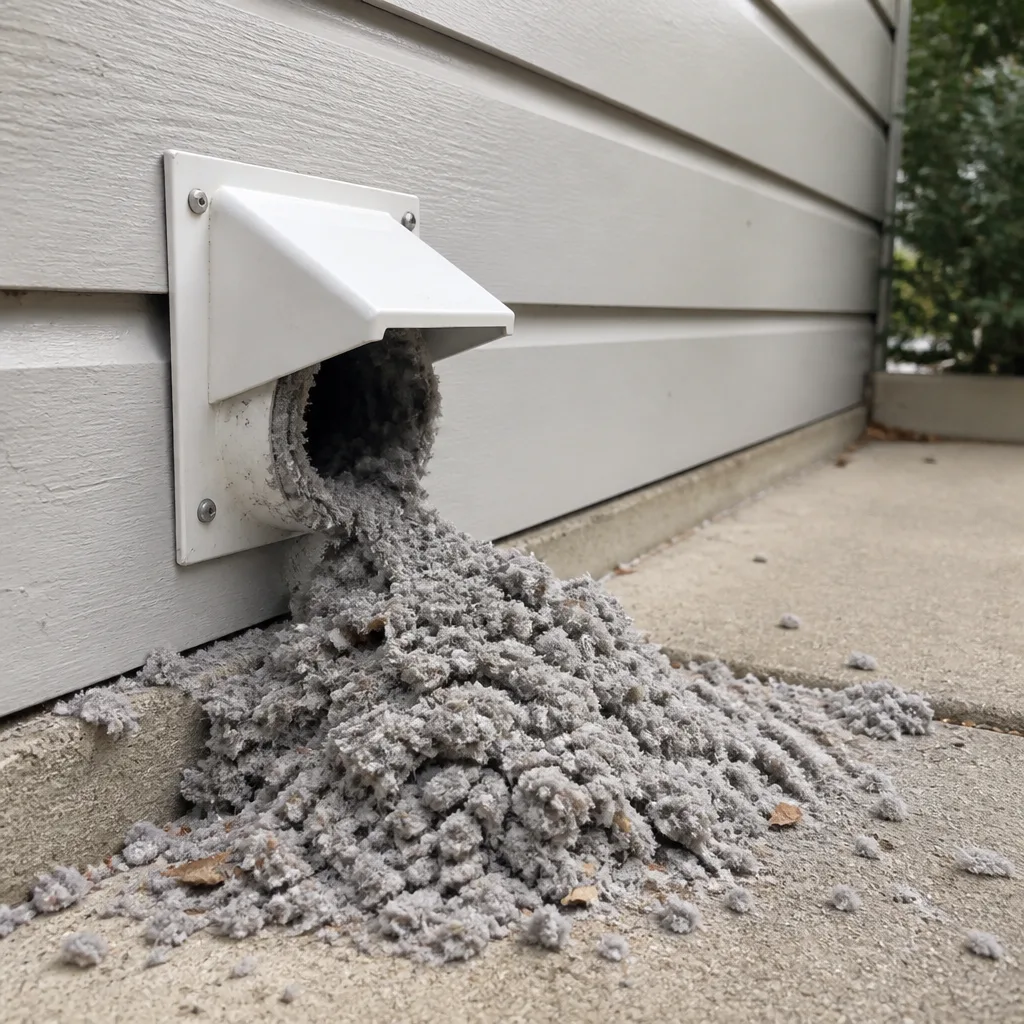 Dryer vent cleaning
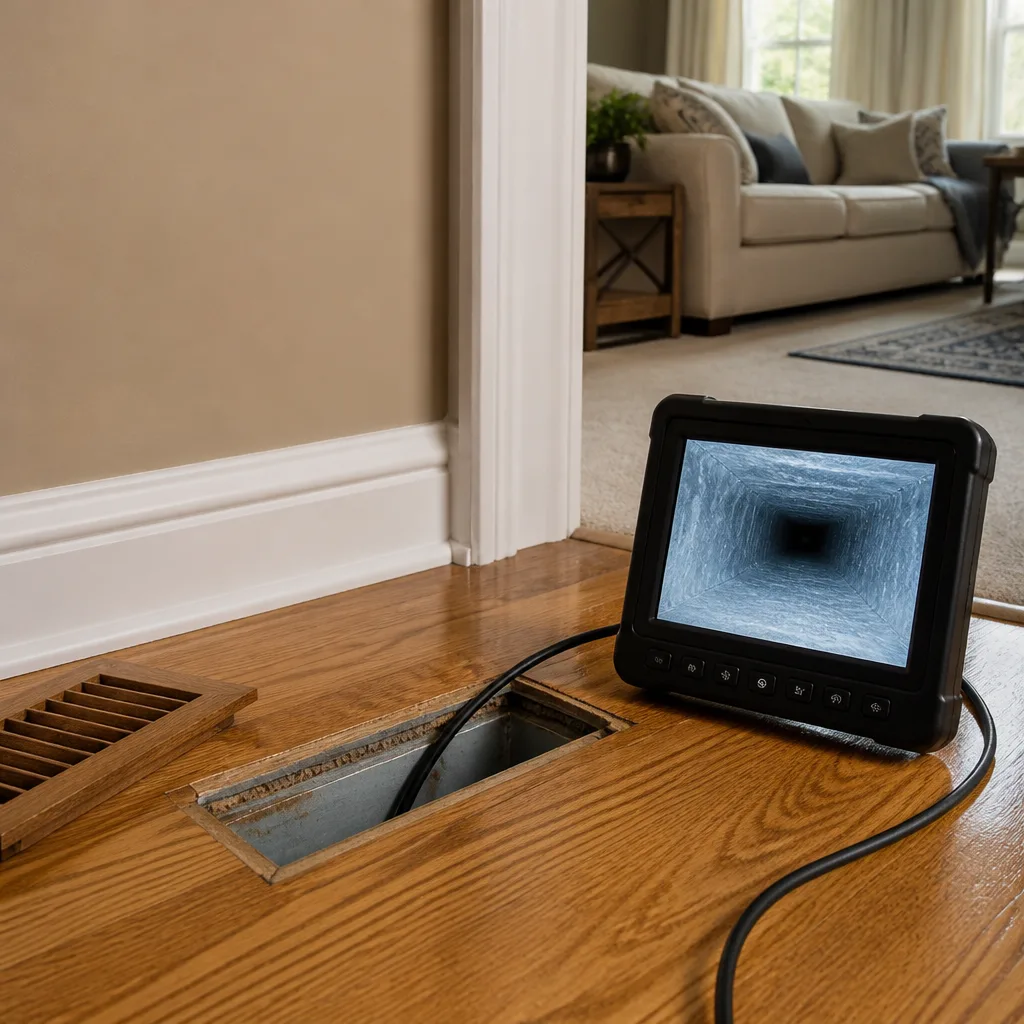 Camera inspection
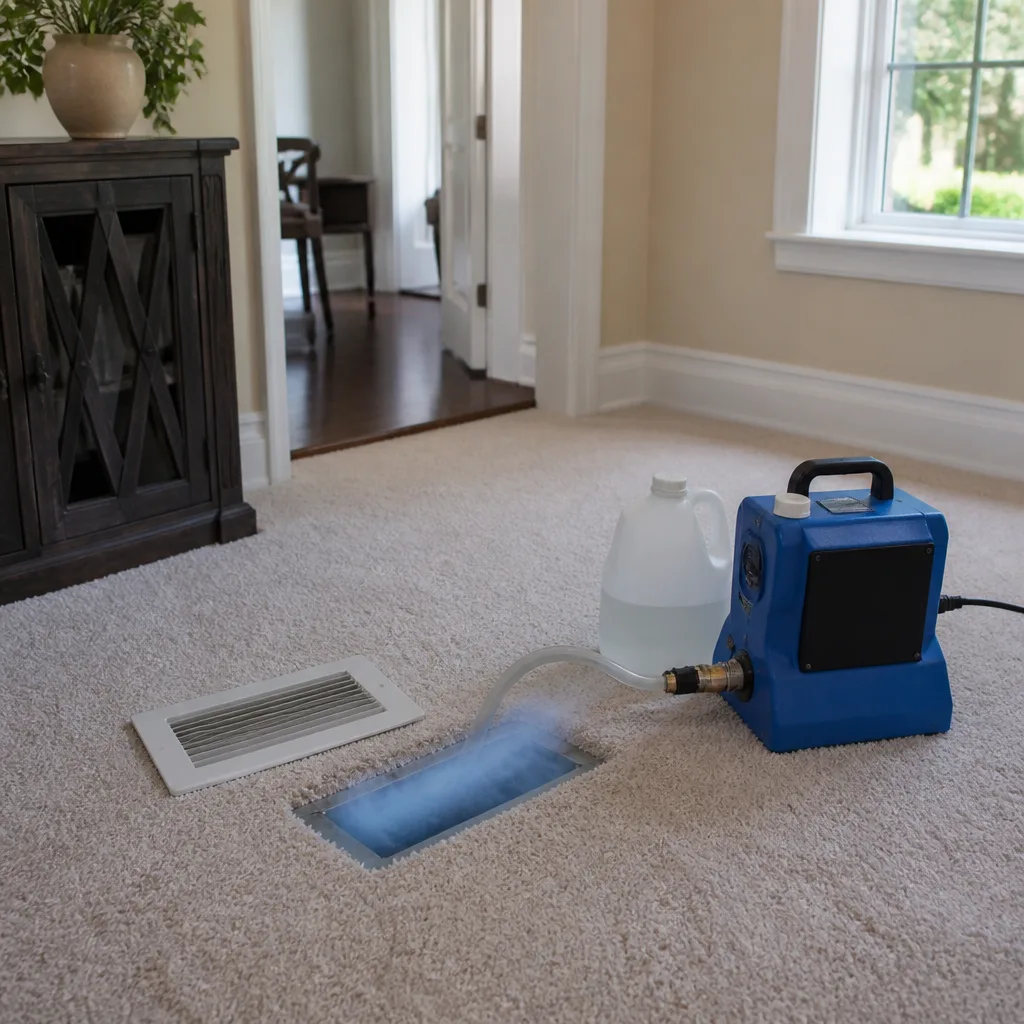 Sanitizing & deodorizing
Whole-system duct and dryer vent check with before-and-after photos - you see exactly what came out of your vents
That "$99 whole-house special" is a bait ad - the real number appears once they are in your hallway, or the "clean" is a shop-vac at the register. We photograph the inside of your ducts before and after instead.
DIY vs Professional Air Duct Cleaning: The Richmond Hill Homeowner’s Decision Guide
Here’s the part almost nobody tells you before they sell you a kit online: a consumer drill-brush attachment and a shop vac don’t clean a duct run. They clean the first stretch, and then they push everything behind it deeper into your air system. That isn’t a partial fix. It’s a worsening. We know that sounds self-serving coming from a duct cleaning company, so this guide draws the line precisely – which tasks a Richmond Hill homeowner can genuinely handle, which tasks require equipment and access that don’t exist in a consumer context, and how to build a routine that keeps your system cleaner between professional visits. No fearmongering. Just the actual mechanics.
Quick Answer
The short version: homeowners can and should handle grille cleaning, filter changes, intake screen clearing, and visual inspections with photo documentation. Everything that requires going inside the duct run – source removal of settled debris, negative-pressure containment, HEPA extraction, mold-adjacent work, and duct repair or sealing – requires contractor-class equipment and proper access panels. DIY is safe and useful at the openings; it’s actively counterproductive inside the runs.
Styles & brands we work with
- Whole-home duct cleaning
- Dryer vent cleaning
- Camera inspection
- Sanitizing & deodorizing
Table of Contents
- What a Richmond Hill homeowner can legitimately do
- Why source removal needs negative pressure and HEPA filtration
- The access panel problem in older Richmond Hill homes
- What actually happens when you DIY inside a duct run
- The hybrid routine that stretches cleaning intervals to five years
- The mold hard stop
- When to call a professional
- Frequently asked questions
What Can a Richmond Hill Homeowner Legitimately Do?
More than most guides admit, and it matters. A homeowner who maintains the accessible end of the system slows the rate at which debris enters the duct runs in the first place. That’s the real value – not cleaning the ducts, but preventing the load that makes professional cleaning necessary sooner.
These are the tasks you can do safely, without special equipment:
- Clean the supply and return grilles. Remove the screws, take the grille off, wash it in the sink or outside with mild soap and water, dry it fully, and reinstall. Grilles collect dust, pet hair, and cooking film – they don’t touch the duct interior.
- Change or clean your filter on schedule. This is the single highest-impact maintenance task you own. A clogged filter strains the blower, reduces airflow, and lets more dust bypass the filter into the system. Check it monthly during heavy use.
- Clear the return air intake screen. Many Richmond Hill homes have a larger intake grille in a hallway or on a wall. Vacuum the face with a brush attachment every few months; it clogs faster than supply grilles.
- Vacuum the first few inches of visible duct behind each register. Use a long brush attachment on your household vac and stop at the point you can’t see. Don’t push a rotating brush deeper.
- Do visual inspections with photo documentation. Pull a grille, shine a flashlight in, take a photo, date it. This is how you track whether conditions are changing and gives a future professional an accurate baseline.
- Keep the area around the HVAC unit clean. Debris, dust, and stored items near the return plenum get drawn in. A clear zone around the unit reduces intake contamination.
That’s your list. It’s meaningful. Filter discipline alone genuinely changes how often a system needs deeper work. But notice what every task has in common: it happens at the boundary of the system, not inside it.
Why Source Removal Needs Negative Pressure and HEPA Filtration
Professional duct cleaning at its core is a two-sided operation. One side agitates debris (rotary brush, air whip). The other side captures it at a source point while holding the whole system under negative pressure. Both sides have to happen at once, with appropriate equipment, or the debris goes into the room instead of into a machine.
That’s why air duct cleaning done properly looks nothing like vacuuming. The work uses a high-volume HEPA-rated negative-pressure vacuum (we use Nikro and Abatement Technologies equipment, the same class used in restoration and mold-adjacent work) connected to a dedicated access point on the system. The vacuum is pulling on the whole trunk line – not just one branch – so when the rotary brush agitates debris further down a run (our tools are Rotobrush contractor-class), the debris moves toward the vacuum instead of toward your living room.
HEPA filtration above commercial thresholds – the equipment we carry is rated well beyond consumer wet/dry vacuums – is not a nice-to-have. Standard shop vacs capture the large particles and redistribute the fine ones. That fine fraction is what stays airborne for hours and lands back on every surface in the house. A homeowner with a shop vac connected to a register isn’t doing a smaller version of what we do; they’re running the opposite direction of a professional system.
Here’s the practical difference in an ordered list:
- Containment. A professional setup puts the entire duct network under negative pressure relative to the room, so any dust that’s disturbed is drawn in, not out.
- Source-point extraction. A single high-volume HEPA vacuum pulls from the main trunk; that’s how every branch gets covered in one operation.
- Agitation across the run. Rotary brushes sized to the duct diameter reach the whole length without damaging seams or interior lining.
- Verification. Post-cleaning photo documentation of the same access points shows whether the interior is actually clear – not just whether the technician was on site.
A drill brush and a shop vac skip all four steps. What they accomplish is agitation without containment.
The Access Panel Problem in Older Richmond Hill Homes
Here’s the part that catches DIY attempts hardest, and it’s a Richmond Hill-specific issue. Many of the older homes in Richmond Hill – the pre-war and mid-century stock scattered through neighborhoods like Richmond Hill Village, Ozone Park, and the streets closer to Forest Park – were built with ductwork that was designed for a different era of HVAC. Sheet-metal trunk lines run through walls and floors with minimal access points. Sometimes the only access is the register boot itself, which is at a sharp angle and too small for meaningful tooling.
Homes built later, particularly the post-1970s builds and renovations around South Richmond Hill, generally have more accessible runs because the layouts changed. But the older housing stock is where DIY risk concentrates.
What happens when a homeowner tries to jam a rotary brush into a small register boot on a tight-radius sheet-metal run?
- Seams at the boot-to-trunk transition get pried apart. That gap then leaks air and debris into wall cavities on every cycle.
- Flexible duct sections, common in retrofitted ranch and split-level housing, tear at the interior plastic liner. That tear creates a pocket that collects dust behind a smooth-looking exterior.
- Sheet-metal edges slice brush attachments, leaving fragments inside the run.
- An over-torqued drill brush can bend the register boot out of alignment, costing more to fix than a professional cleaning would have cost in the first place.
If a duct has no proper access panel, professional cleaning involves cutting a properly sealed access port, doing the work through it, and sealing it closed again. That’s not a shortcut around difficulty; it’s the standard method for a system that wasn’t built with maintenance access. A homeowner trying to work around the missing access is, in practice, working around the safety and integrity the access provides.
If you suspect your Richmond Hill home is in the older cohort, the practical first step is an inspection, not a DIY attempt. Same goes if your system has never been cleaned and you don’t know what the interior looks like. Call (888) 362-5954 for a free estimate before you consider working on anything inside a sheet-metal boot.
What Actually Happens When You DIY Inside a Duct Run
We mentioned this in the opening and it deserves its own section because it’s the crux of the whole DIY vs professional question. A drill brush on a flexible shaft, inserted through a register, does one thing well: it agitates settled dust. Agitation without extraction is a net negative.
Here’s the mechanism. Dust accumulates in duct runs by settling at the low points – the flat bottoms of horizontal runs, the elbows, the transitions between trunk and branch. Over years, that layer thickens and compacts. It’s a passive layer until something disturbs it. A rotating brush loosens that layer. If the vacuum on the other end has the volume and HEPA capture to pull that loosened debris back out of the system, great – that’s cleaning. If the only vacuum is a shop vac connected to the register (which is now blocked by the brush shaft), the loosened debris has nowhere to go but up and out into the room, or deeper down the run where it settles at the next low point, thicker and more disturbed than before.
The result isn’t visible immediately. It shows up over the following weeks as more dust on surfaces, worse allergy symptoms, and a system that needs professional cleaning sooner than it would have.
Two things worth understanding about HEPA equipment at this point:
- Total airflow matters as much as filtration. A machine with a HEPA filter but low CFM (cubic feet per minute of airflow) captures what it pulls in, but can’t pull from the far end of a trunk line. Professional equipment intentionally pairs high airflow with HEPA capture so the pull reaches the whole system.
- Negative pressure containment isn’t optional. Without it, the room is the containment, and the room is where you live. Contractor-class equipment closes that loop.
We’ve said it plainly to homeowners more than once: the consumer kit isn’t a small version of professional cleaning. It’s an inverse operation. It upsets the dust without capturing it. That’s why we don’t sell a “starter kit” or a “lite” service – if the system doesn’t warrant the full process, the honest answer is that it doesn’t need cleaning yet.
The Hybrid Routine That Stretches Cleaning Intervals to Five Years
Most homeowners don’t actually need a strict answer to “DIY or professional” – they need both, sequenced properly. A homeowner who maintains the accessible end of the system consistently can stretch professional cleaning intervals significantly. In our experience, a well-maintained Richmond Hill home runs closer to five-year intervals than three-year ones, and the difference comes down to a handful of habits.
The hybrid routine breaks into two categories. First, what you do on a schedule:
- Check the filter monthly, replace or clean it on the manufacturer’s schedule. Whatever the filter box says, follow it. High-MERV filters load faster and need more attention, not less.
- Vacuum the return intake screen every three months. Brush attachment, light pressure, no scrubbing.
- Wash supply and return grilles annually. Pull them, wash, dry, reinstall. This is a 20-minute job per grille.
- Photo-document the interior of each register boot once a year. Same angle, same lighting, dated. Year-over-year comparison tells you if conditions are changing before symptoms show up.
- Check the condensate drain line and area around the air handler monthly. A clean area around the unit means less debris pulled into the return.
Second, what needs professional attention on a longer cycle:
- Full system cleaning every four to five years (depending on pets, smokers, recent renovations, and how much you run the system), or every three years if any of those factors are elevated.
- Duct repair and sealing whenever photo documentation shows a leak, tear, or gap. Sealing isn’t a cosmetic fix; it’s what prevents recontamination after cleaning and stops air loss at joints.
- HVAC coil and blower cleaning on the same cycle as duct cleaning. A clean duct attached to a dirty coil just pumps dust back into the air. This is where HVAC cleaning belongs in the picture rather than being treated as a separate add-on.
- Air quality upgrades where relevant. If post-cleaning air quality needs a step up, Honeywell and Aprilaire filtration and air treatment components integrate into most residential systems and can be added during the same visit.
This is the honest hybrid answer. The homeowner owns the accessible maintenance and documentation. The professional owns the source removal, the sealing, and the whole-system inspection. Neither is doing the other’s job.
The Mold Hard Stop
This is the one topic where the DIY vs professional debate ends in favor of professional work regardless of homeowner skill, confidence, or tools. If you suspect mold inside your duct system, stop and call a professional. Full stop.
Mold inside ducts is a different problem than dust. Dust is a settled particle; mold is an active biological colony that grows where moisture is present – typically near cooling coils, in ductwork with condensation issues, in humidified systems, or in ducts that run through unconditioned attic or crawl space where temperature differentials create condensation surfaces. Mold spores that get distributed through a supply system land across every room and every surface. If someone in the home has respiratory sensitivity, the risk is real.
A homeowner cannot safely address this with consumer equipment for three reasons:
- Containment. Mold work requires negative air pressure containment so any disturbed spores are captured and not dispersed into the living space. That’s contractor equipment, not a shop vac. Abatement Technologies equipment exists specifically for this class of work – restoration contractors use it for a reason.
- Post-remediation verification. After cleaning and mold-adjacent remediation, the interior needs to be verified as clean, not assumed clean. That requires the same access and inspection capability that made the cleanup possible.
- Root-cause repair. Mold returns if the moisture source isn’t fixed. That source might be a leaking seal, a coil condensation issue, or a duct running through a humid zone – all of which need to be identified and corrected, not just cleaned once.
If your photo inspections reveal dark staining, fuzzy growth, or a persistent musty smell near a register or the air handler, that’s the signal to call. Call (888) 362-5954. We answer 24/7 and can arrange an inspection. Because we carry Abatement Technologies equipment, we can handle elevated contamination scenarios that typical residential duct cleaners turn away.
See the difference
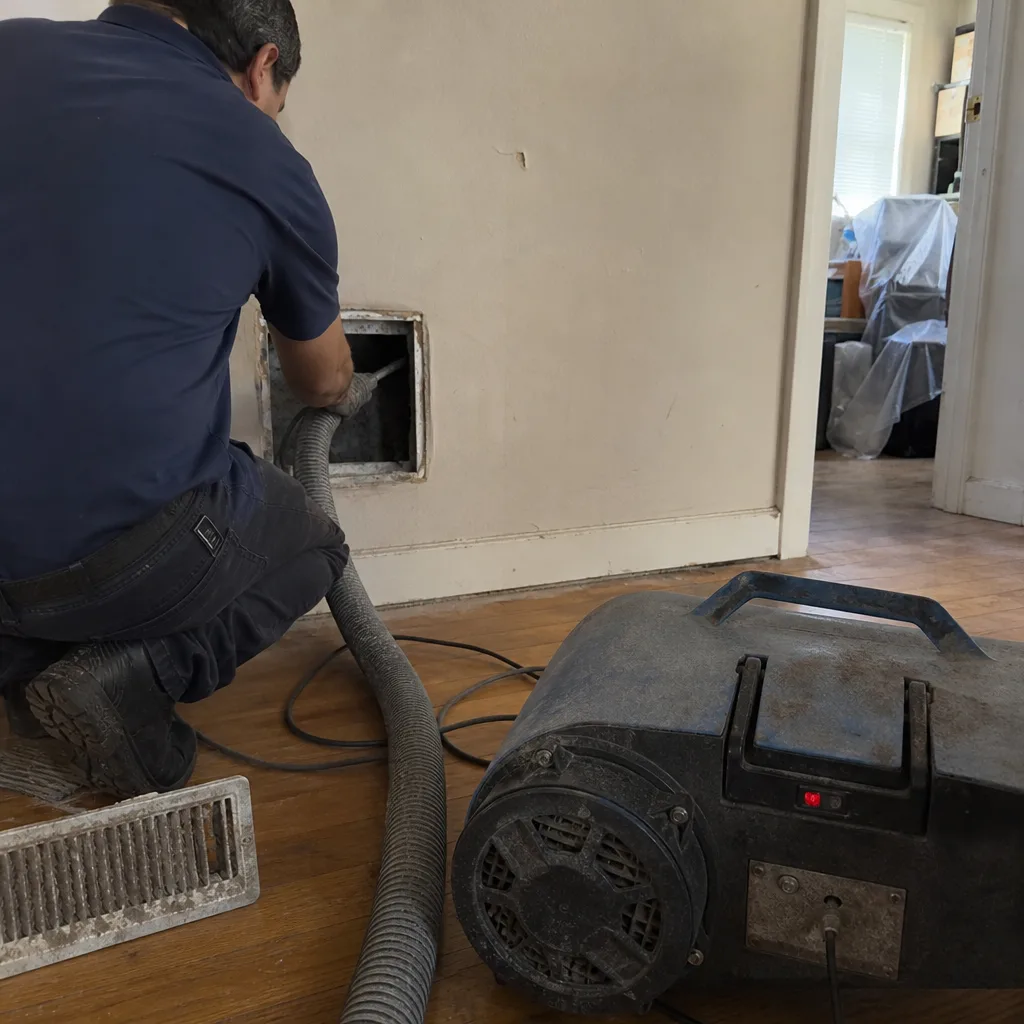 Before
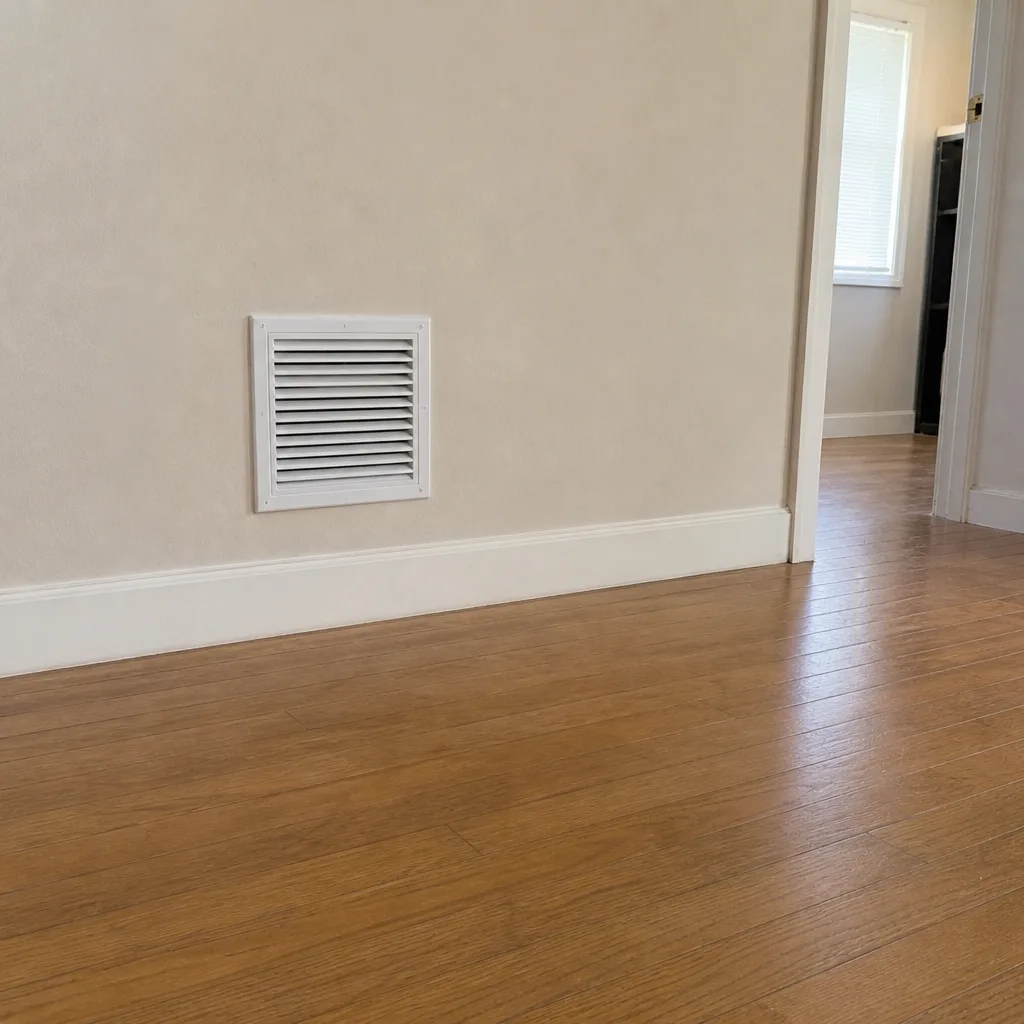 After
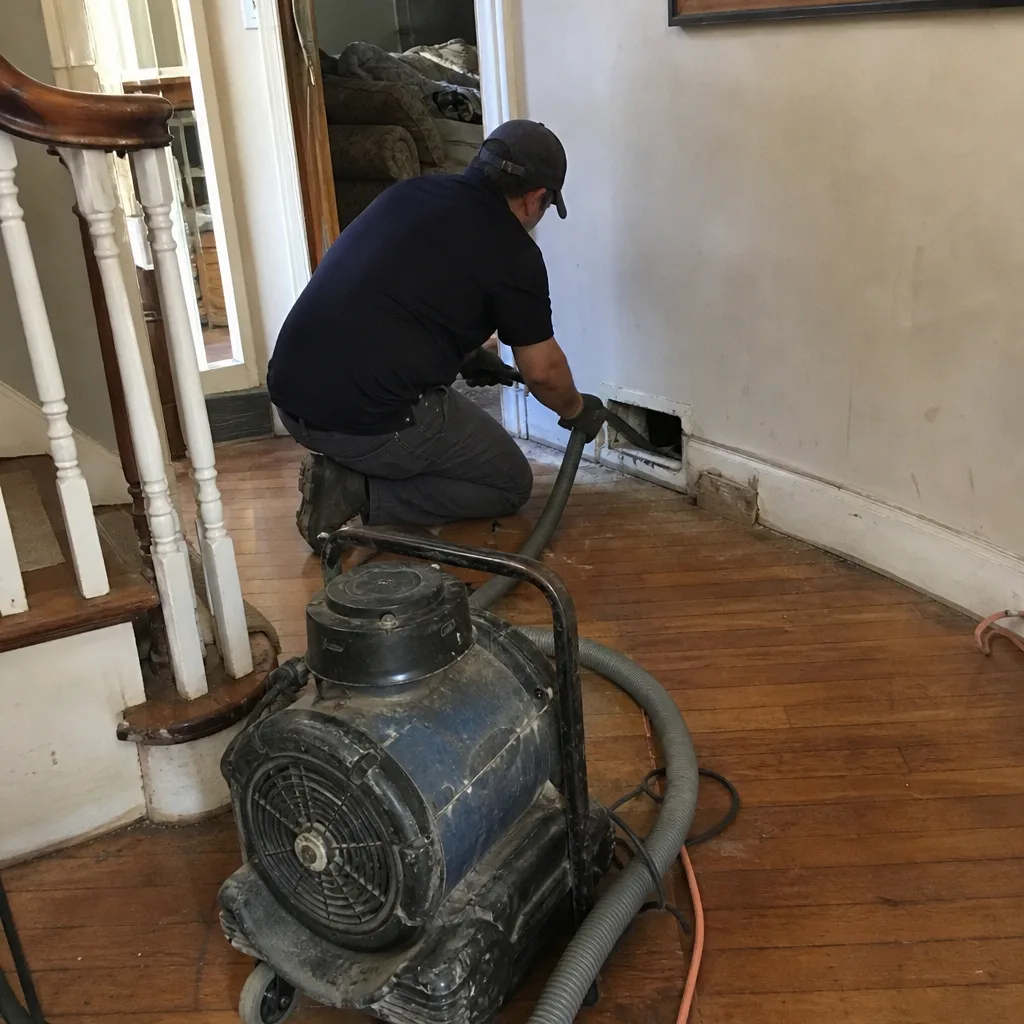 Before
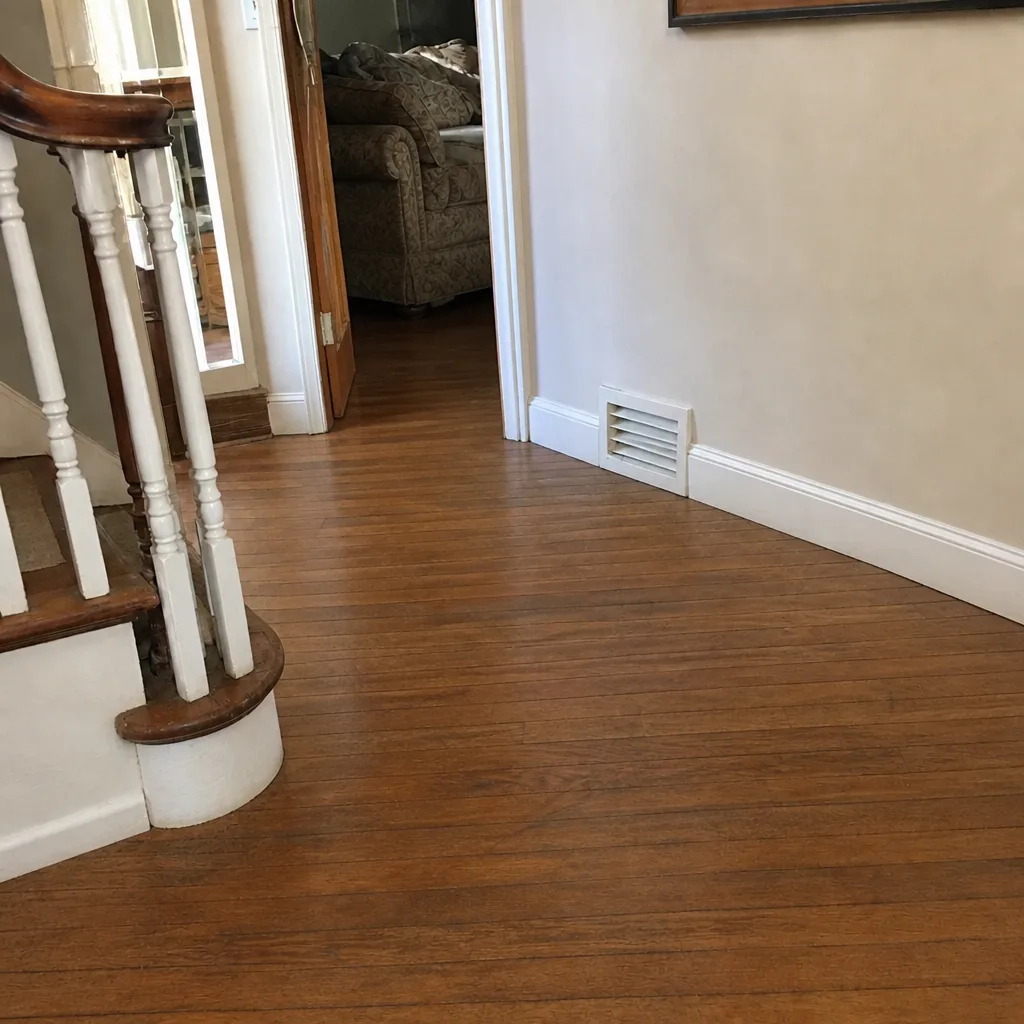 After
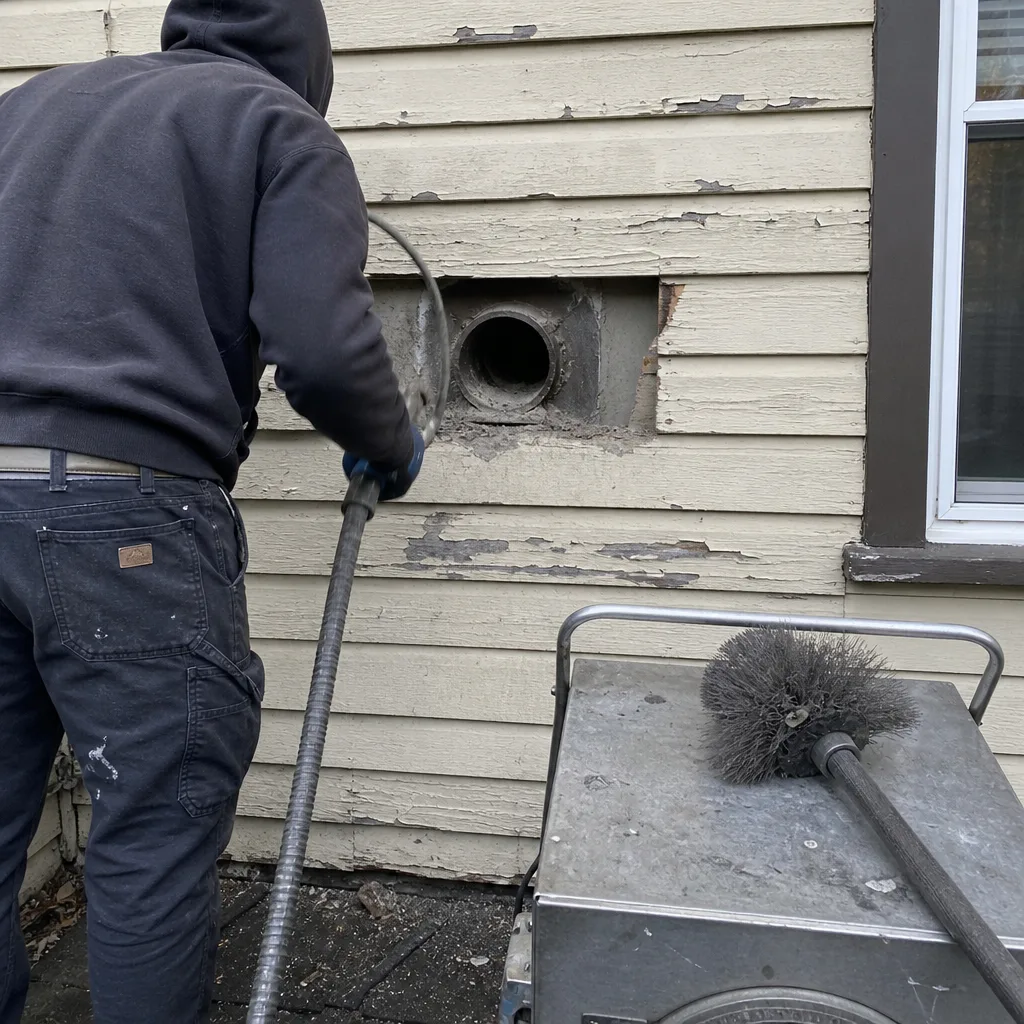 Before
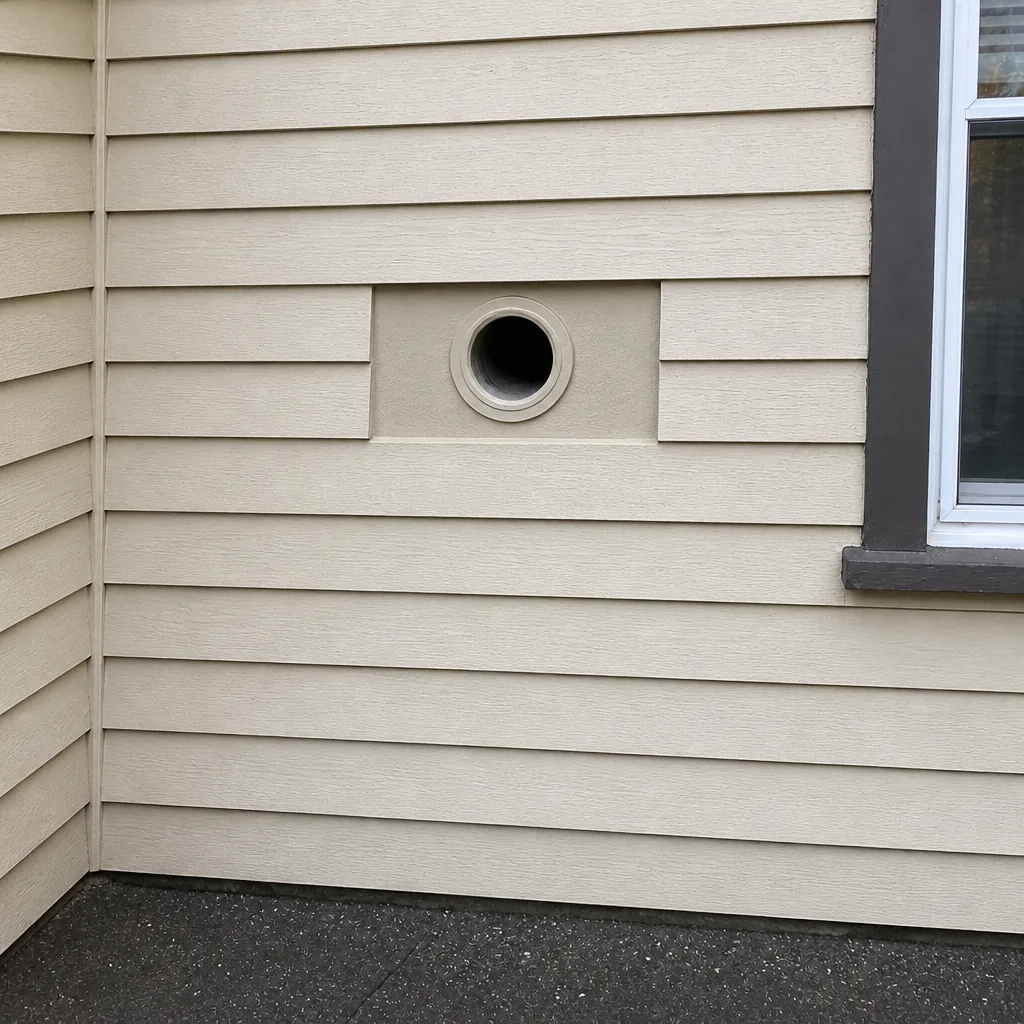 After
What About Dryer Vent Cleaning – Is That DIY?
This is a related service that belongs in the same conversation because it’s the highest-stakes duct in a home and frequently DIY-attempted. dryer vent cleaning is the one duct in your house that’s directly tied to fire risk. Lint accumulation in a dryer vent is a documented fire-prevention concern – dryer vent fires are a real category, and standard homeowners insurance language around fire safety expects reasonable maintenance.
A homeowner with a short, straight, rigid-metal run to an exterior wall can vacuum out the vent periodically with a long brush kit, and that’s a reasonable maintenance step. But many Richmond Hill dryer vent runs are not that simple:
- Long runs with multiple elbows are hard to reach and commonly contain significant lint buildup past the elbow.
- Flexible foil or vinyl transition ducts (which should be replaced with rigid metal) trap lint and are a fire concern themselves.
- Vents that run upward through interior walls or exit through the roof are effectively out of DIY reach.
- Blocked exterior vent flaps – common in older Richmond Hill homes – prevent airflow and make all the vacuuming in the world ineffective.
If the exterior flap isn’t opening freely, if the dryer runs longer than it used to, or if the lint trap fills faster, that’s a signal. That’s why dryer vent cleaning belongs in this conversation at all – it’s not a decorative add-on, it’s a fire-prevention service, and it’s one of the reasons we offer it alongside the other four services rather than skipping it.
Common Mistakes to Avoid
- Buying a drill-brush kit and treating it as a “starter” version of professional cleaning. As covered above, the drill brush agitates without containment. It’s not a scaled-down version of the job; it’s the opposite operation.
- Skipping filter replacement to “save a few dollars.” A clogged filter strains the blower, cuts airflow system-wide, and lets debris into the run. The most expensive duct problem in a Richmond Hill home often starts as a neglected filter.
- Using a shop vac or household vacuum on a duct register. Shop vac filters don’t capture the fine fraction. Vacuuming the register with a household vac pulls out the easy stuff and pushes the fine dust back into the room.
- Believing every “duct cleaning” quote is the same service. Low-bid offers are typically one-person operations with portable vacuums and no real containment. The work looks the same and isn’t. Ask what equipment will be on site and whether it’s HEPA-rated with a true negative-pressure setup.
- Only cleaning ducts and ignoring the HVAC unit itself. A clean duct attached to a dirty evaporator coil just redistributes what the coil is holding. Both sides of the air system need to be addressed together.
- Attempting to seal duct leaks with consumer-grade tape or mastic without insulating properly. Foil HVAC tape in the wrong place creates its own problems; sealing needs to match the duct material and location. This is one of many reasons duct repair and sealing is a service, not a DIY task.
- Ignoring signs of moisture or musty smell because the ducts “look” fine from the register. Mold growth can sit just past the boot or under the coil where the flashlight doesn’t reach. If there’s a persistent smell, do not dismiss it.
When to Call a Professional
Call for professional cleaning when any of these are true: you’ve never had the system cleaned and don’t know what’s inside; you’re seeing increased dust or allergy symptoms since moving into your Richmond Hill home; there’s a persistent musty smell; you’ve had recent renovations (drywall dust is a real load); you notice uneven airflow between rooms; your energy bills have climbed without an obvious cause; or a photo inspection shows visible debris, staining, or a leak at a duct joint. Suspected mold is a call-now situation regardless. If you’re a property manager, we handle residential and commercial systems – call to schedule an inspection and get a written scope.
As a whole-system service, we combine air duct cleaning, dryer vent cleaning, HVAC cleaning, Duct Repair & Sealing, and Air Quality & Sanitizing so the full air pathway is addressed on one schedule. Air Duct Cleaning Richmond Hill offers free estimates in Richmond Hill – call (888) 362-5954. We answer 24/7. Fast dispatch from 7am to 7pm, Sunday through Friday.
Frequently Asked Questions
Professional whole-system cleaning is priced per system, not per vent, and the written estimate you receive before work starts locks in the price for the whole job. We don’t quote per-vent pricing and we don’t use teaser coupons – what the estimate says is what the invoice says. Call (888) 362-5954 for an exact quote – estimates are free.
Because they’re quoting a different job. Low-bid offers typically describe a one-person operation with a portable vacuum, no true negative-pressure containment, and no HEPA-rated capture – which as covered above can leave a home worse off than before. The equipment and process on site, not the price, tells you which service you’re buying. Ask what brand and class of vacuum and rotary tool will be used. Call us with the quote you’re holding and we’ll tell you what we’d do differently.
Ask for before-and-after photos of your own duct interior, taken at the same access points, not stock images. Our technicians document every job this way – the same access points before cleaning, after cleaning, and any repairs or sealing completed. Photo documentation is a standard part of how we work on every job. Call (888) 362-5954 for an estimate and we’ll walk you through what our documentation covers.
For a Richmond Hill home with no pets, no smokers, and no recent renovations, a four-to-five-year interval is normal when the homeowner is maintaining filters and grilles. Add pets, smokers, or recent construction, and that shortens to around every three years. The hybrid routine in this guide is what stretches the interval. Call for a free estimate and we’ll give you a specific recommendation for your system rather than a generic number.
No – not in a way that improves your system. DIY kits agitate settled dust without proper containment or capture, which pushes debris deeper into the run. What you can do yourself is filter maintenance, grille cleaning, intake screen clearing, and photo documentation. That’s genuine maintenance. The source removal inside the runs needs professional equipment. Call (888) 362-5954 to discuss whether your system actually needs cleaning yet – sometimes it doesn’t.
Yes. Pets add hair and dander to the load that reaches the duct system, and anyone in the home with respiratory sensitivity benefits from tighter intervals – the difference between three and five years is real in a home with pets. We’d rather do the work correctly on a realistic schedule than over-clean a system that doesn’t need it. Call for an estimate and we’ll assess your specific situation, including whether air quality additions like Honeywell or Aprilaire filtration make sense for your home.
The Bottom Line
The homeowner-versus-professional framing misses what’s actually true: maintenance splits cleanly between what you can own and what requires equipment. You own the front end – filters, grilles, intake screens, and photo documentation – and that maintenance genuinely reduces how often your Richmond Hill home needs deeper work. The professional owns source removal, negative-pressure containment, HEPA capture, and duct repair and sealing. Mold is a hard stop no matter how capable you are. If you’re honestly asking the question, the answer is usually a hybrid routine with a professional baseline every four to five years – and if you’ve never had your system inspected, start there.
Call (888) 362-5954 for a free estimate. We answer 24/7. Fast dispatch from 7am to 7pm, Sunday through Friday. Learn more about Air Duct Cleaning Richmond Hill and how we approach the full air pathway from HVAC to vent grille.
Written by the team at Air Duct Cleaning Richmond Hill.