
Last updated November 22, 2026
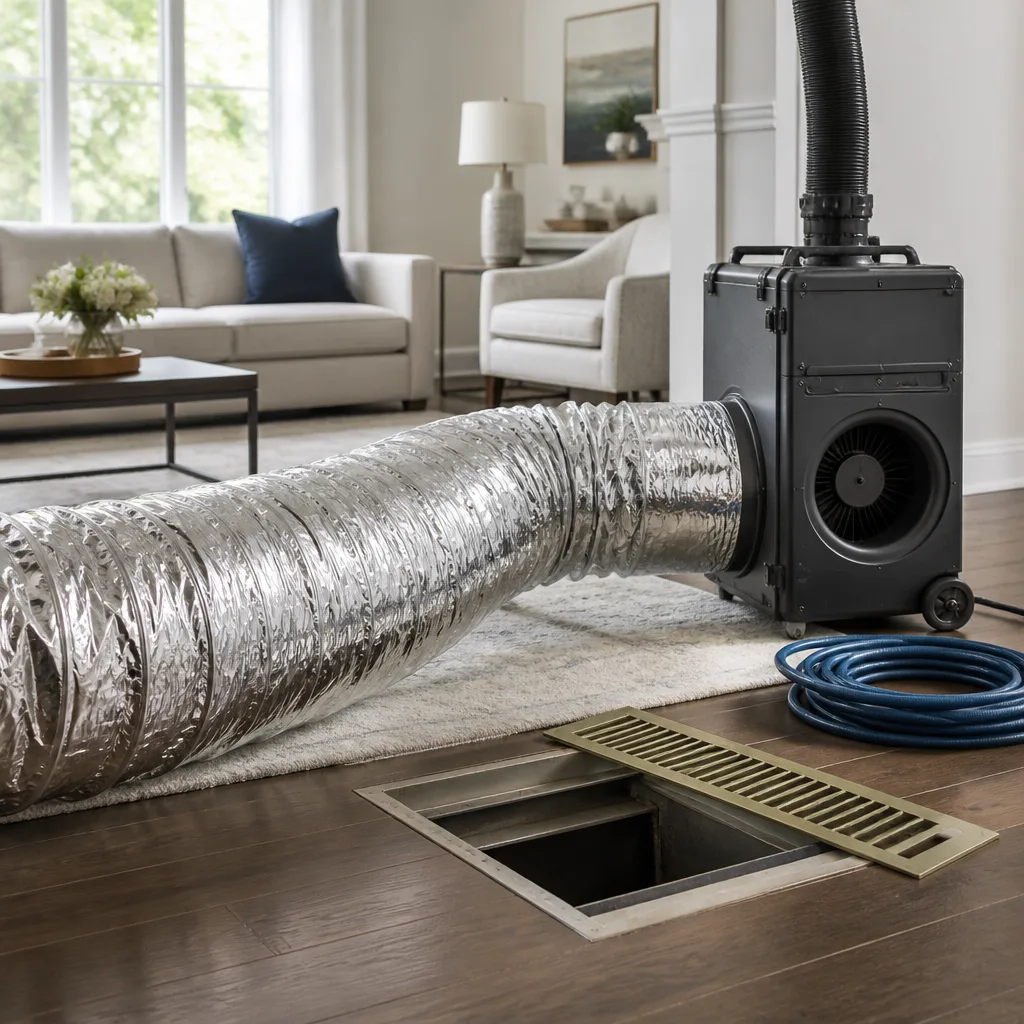 Whole-home duct cleaning
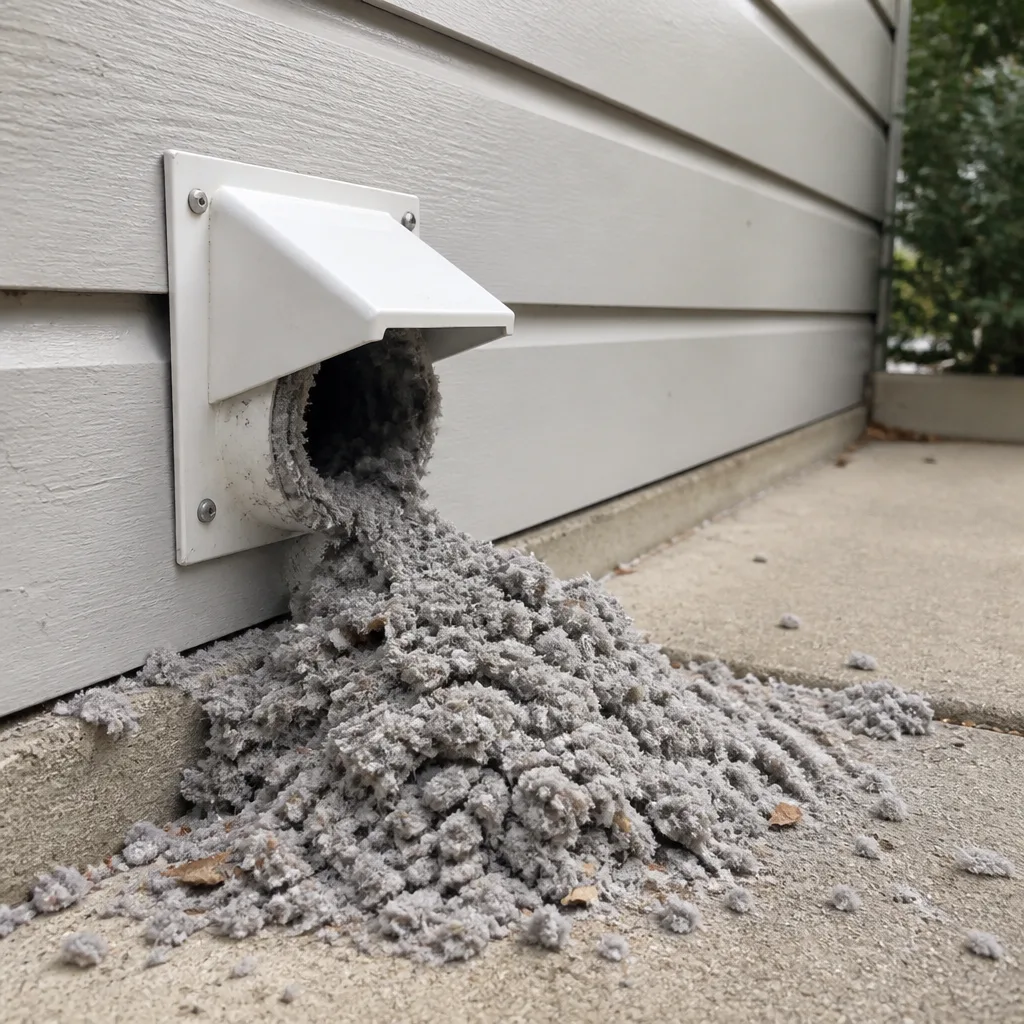 Dryer vent cleaning
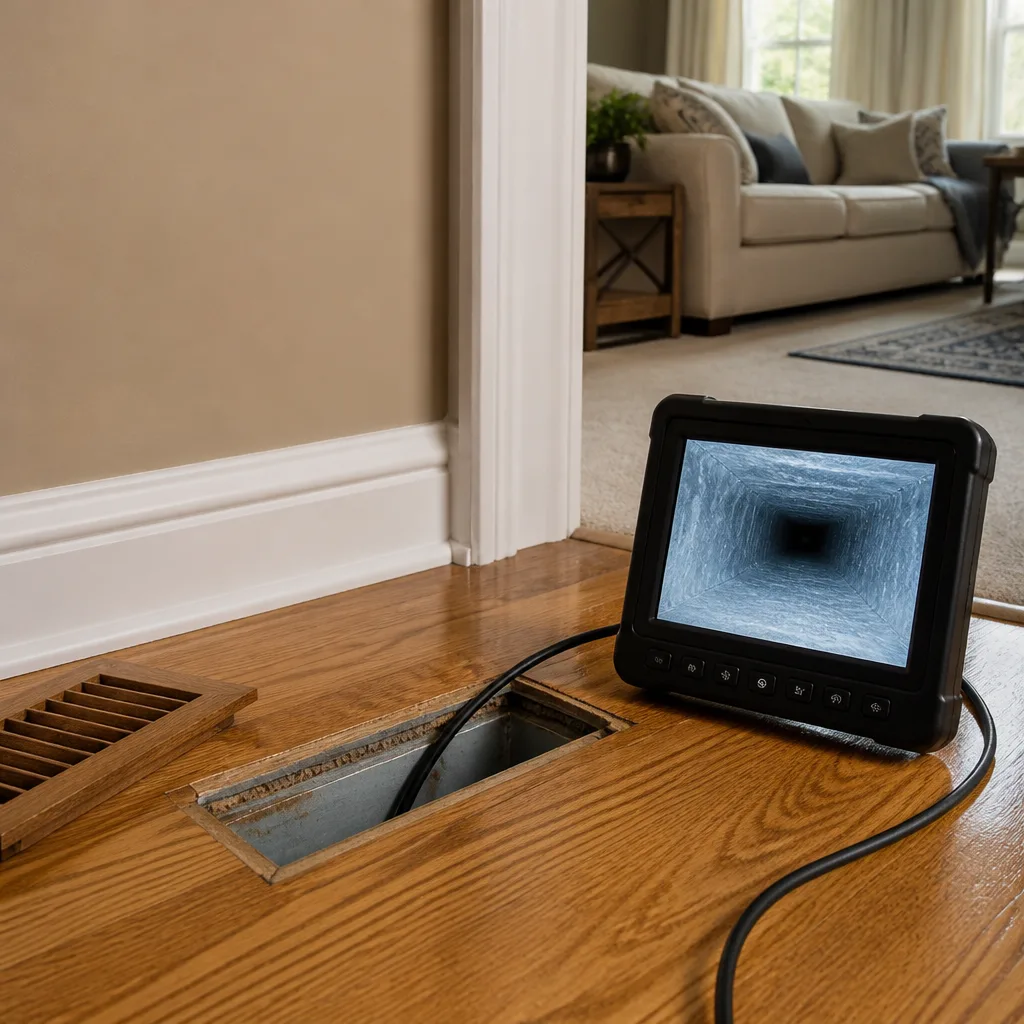 Camera inspection
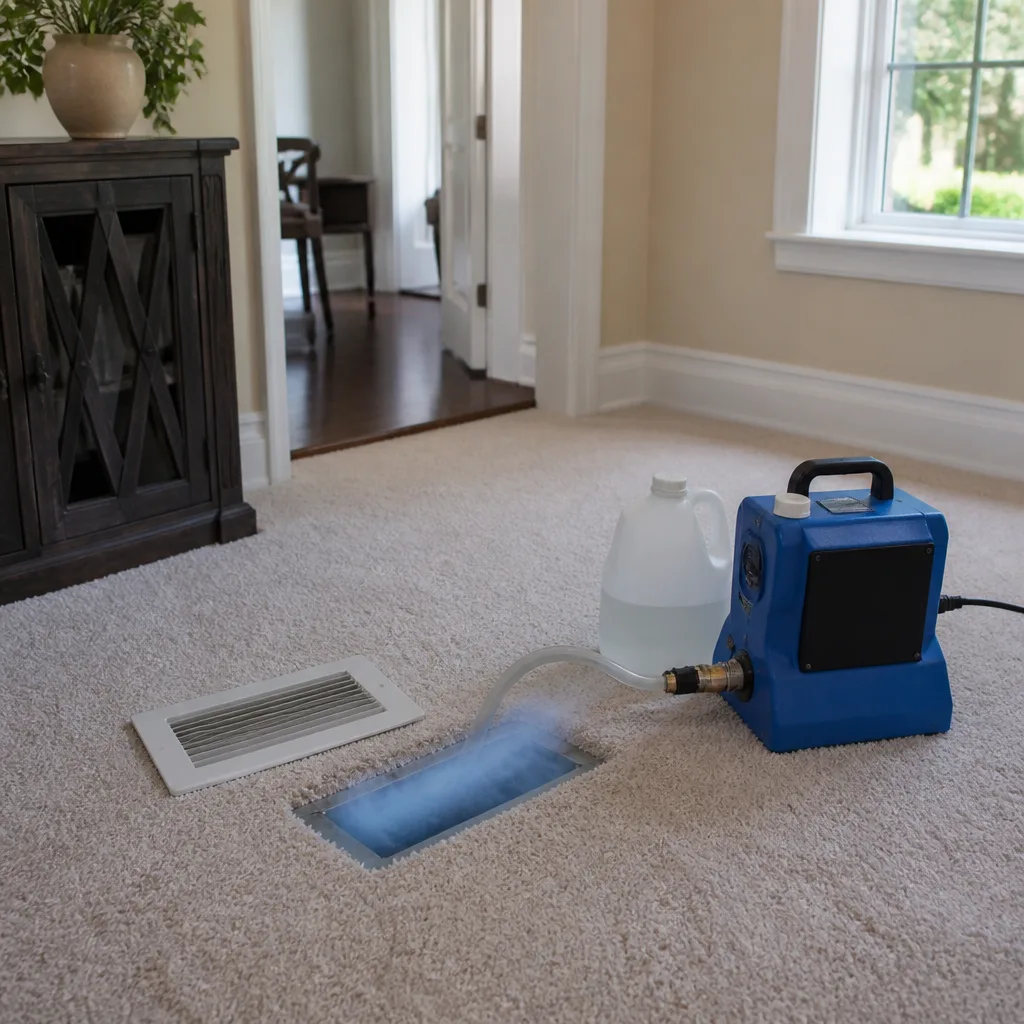 Sanitizing & deodorizing
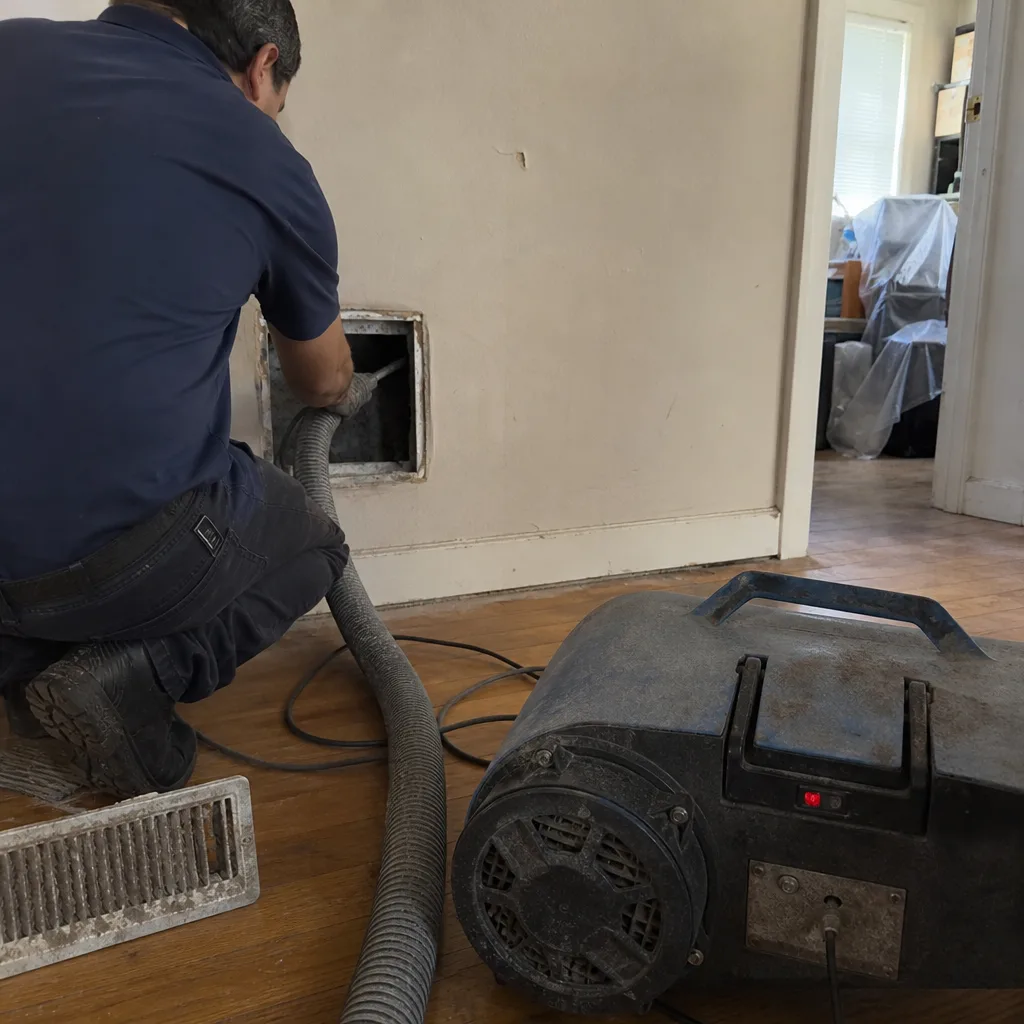
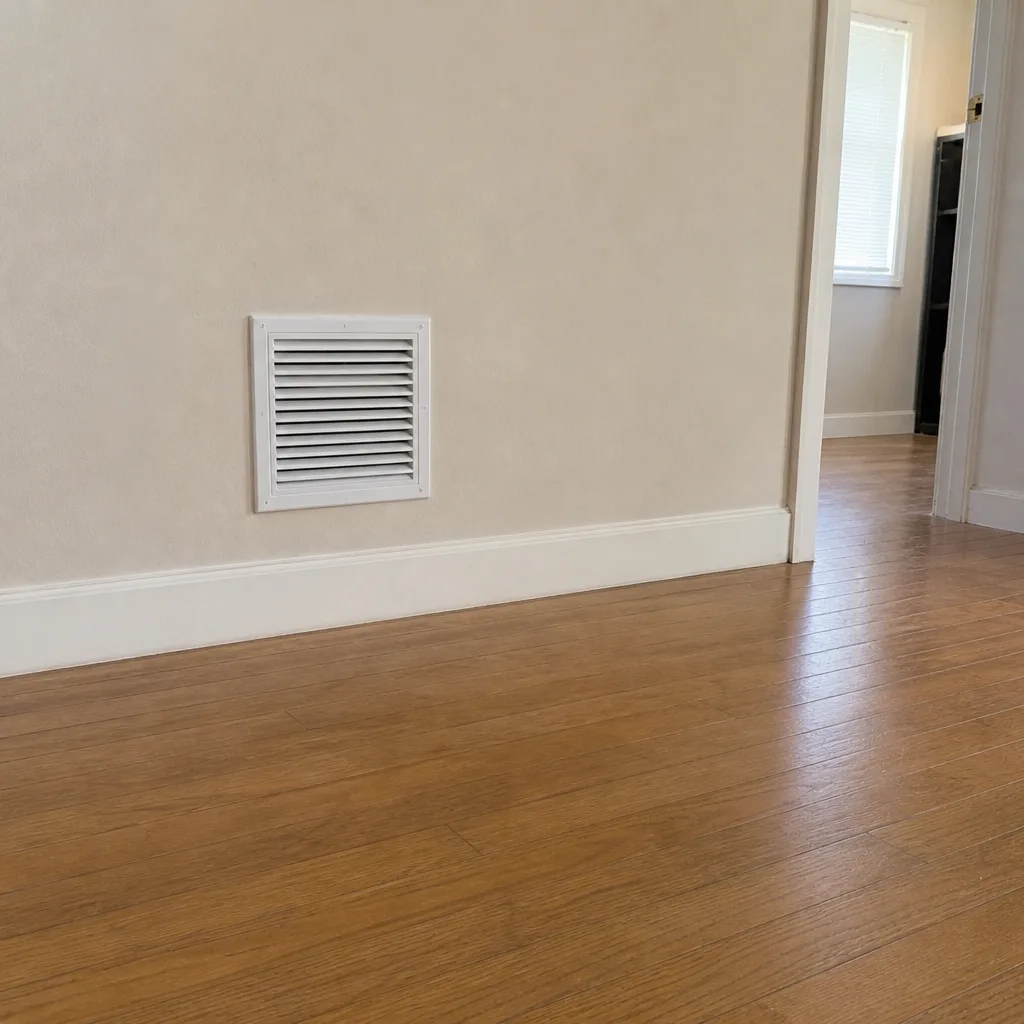
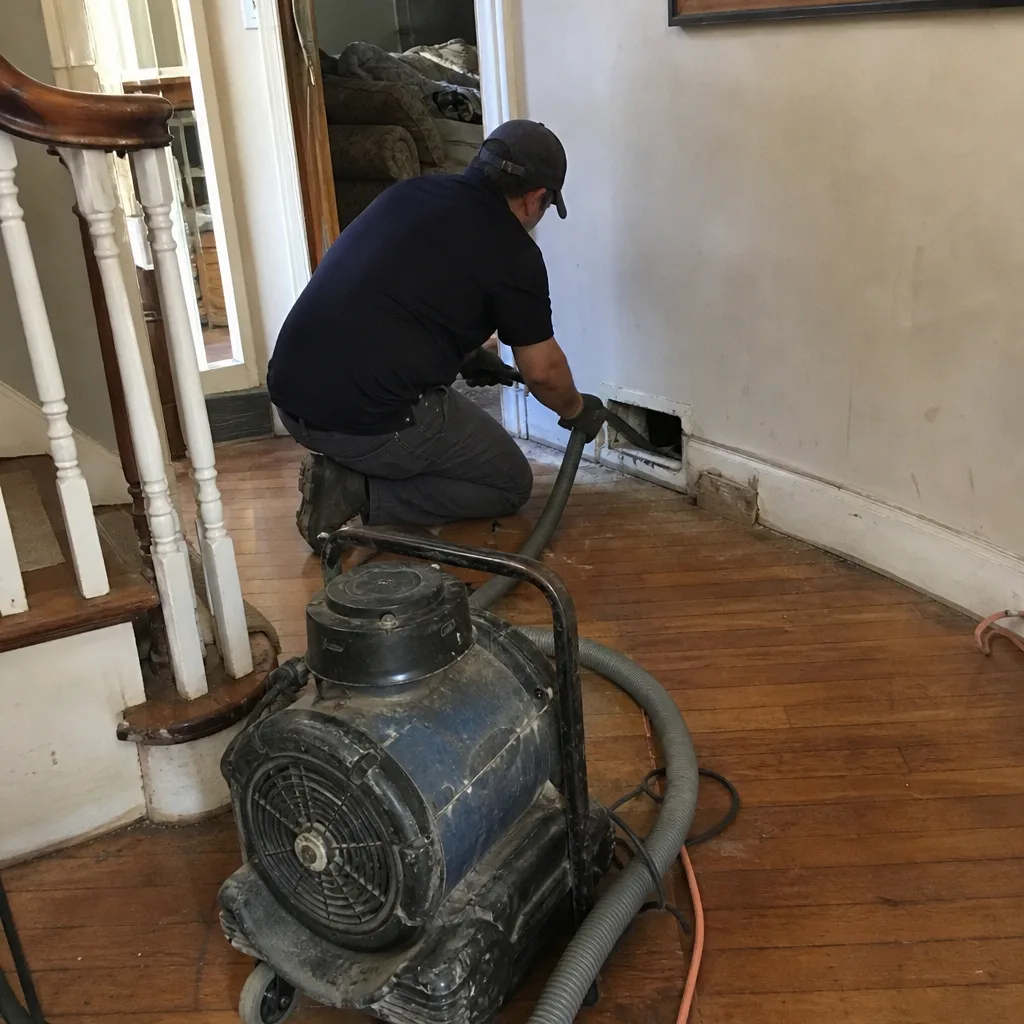
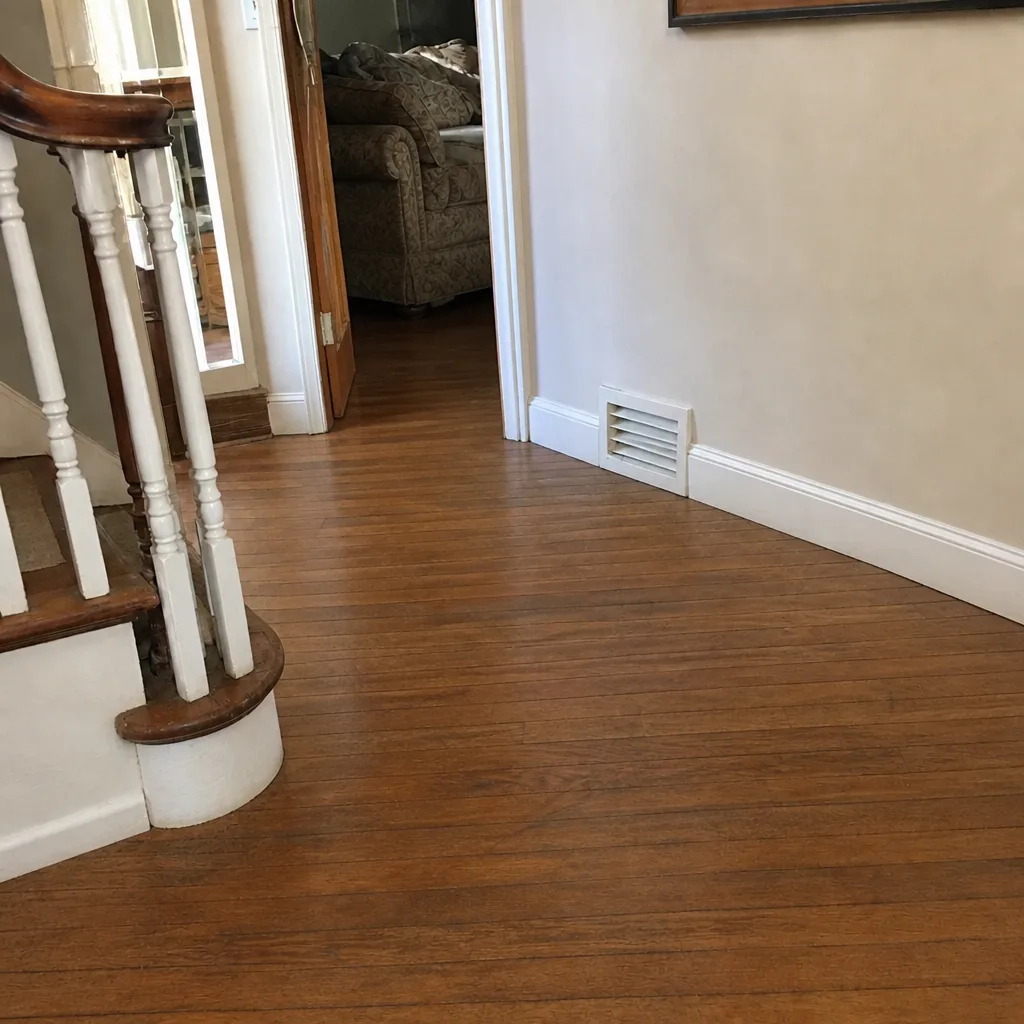
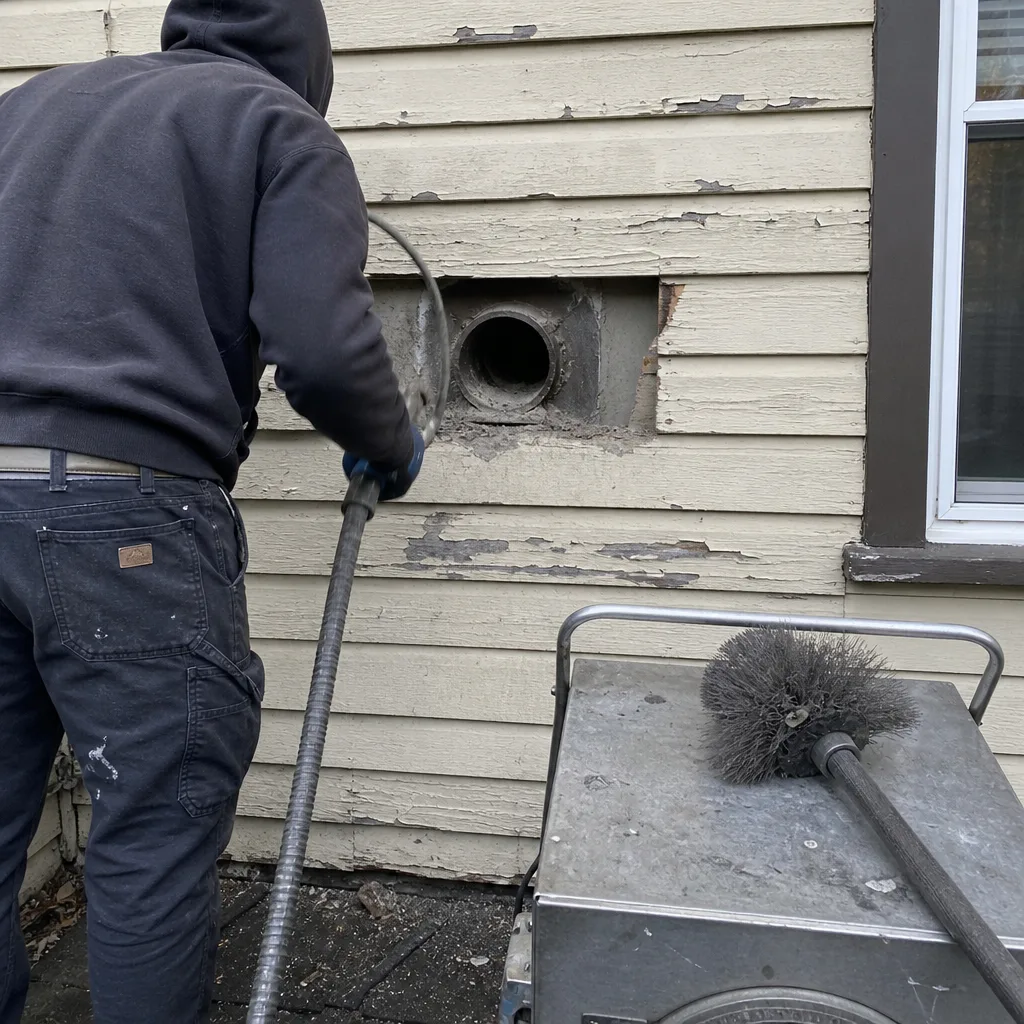
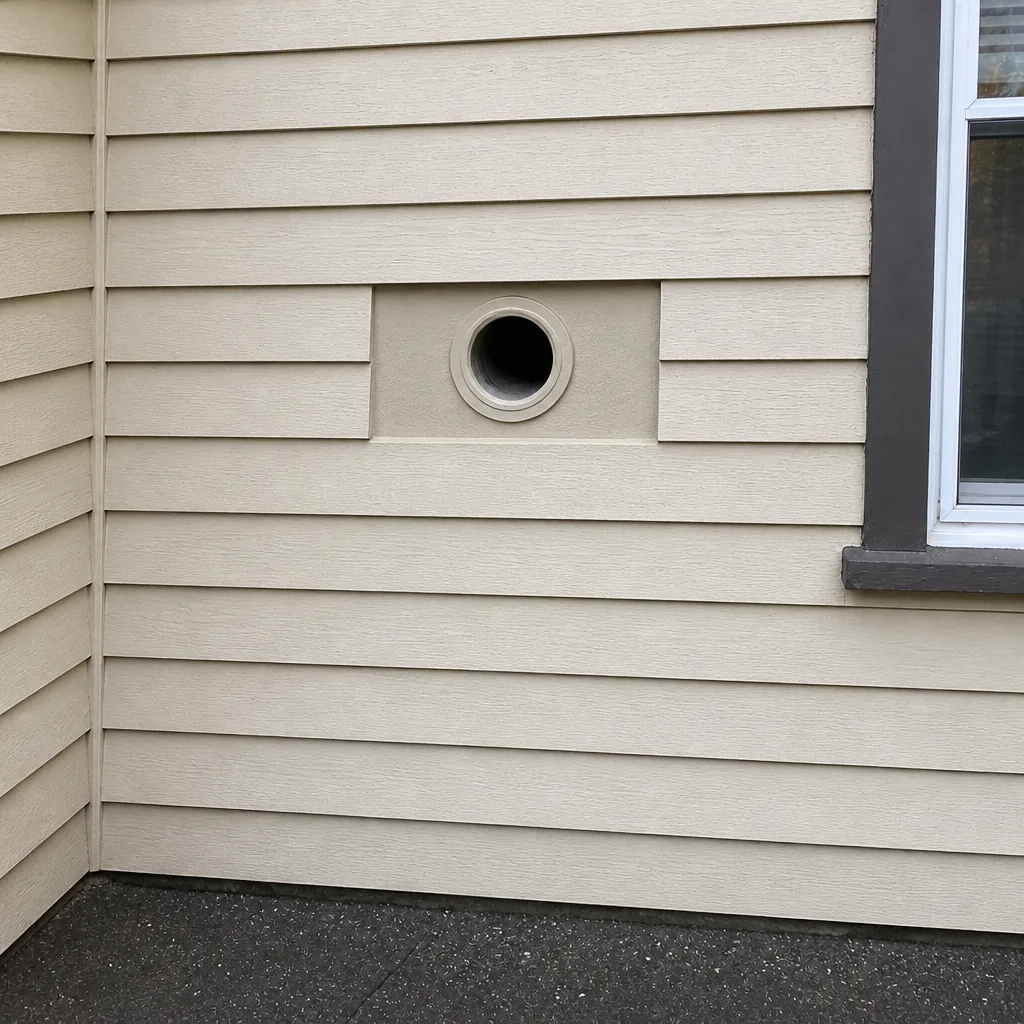
Whole-system duct and dryer vent check with before-and-after photos - you see exactly what came out of your vents
That "$99 whole-house special" is a bait ad - the real number appears once they are in your hallway, or the "clean" is a shop-vac at the register. We photograph the inside of your ducts before and after instead.
Seasonal Air Duct Cleaning Care for Richmond Hill: Year-Round Homeowner’s Guide
Most homeowners in Richmond Hill believe duct cleaning is a once-and-done chore, a box to tick on some vague schedule, then forget about for a decade. That’s the mistake we see most often. Here’s the detail that surprises people: your air system is affected by the calendar as much as by the dust inside it. Summer humidity, fall leaf debris pulled into returns, winter heating cycles running flat out, and spring pollen all change what’s moving through your ducts. Cleaning without regard to season is like changing oil without checking the filter. This guide explains how the air system in a Richmond Hill home should be cared for month to month, what actually builds up and when, and how to tell the difference between a real problem and a sales pitch. We’ll cover equipment, timing, warning signs, and the parts of the system most people ignore until something fails.
Quick Answer
In Richmond Hill, air ducts should be inspected once a year and cleaned every two to three years for most homes, with the best window falling in early spring before cooling season or early fall before the heat comes on. Homes near heavy street traffic, older houses with original ductwork, and households with pets or allergy sufferers often need cleaning closer to every 18 months. The bigger point: timing your cleaning to the season you’re entering gets more out of the same job than cleaning at a random date.
Styles & brands we work with
- Whole-home duct cleaning
- Dryer vent cleaning
- Camera inspection
- Sanitizing & deodorizing
Table of Contents
- Why Duct Care in Richmond Hill Follows a Seasonal Cycle
- Spring: Cleaning Before Cooling Season
- Summer: Humidity, Musty Odors, and the Return Side
- Fall: The Best Window for a Full Cleaning
- Winter: Heating Season and What It Reveals
- What Real Equipment Looks Like (and What Doesn’t)
- Beyond Cleaning: Sealing, Sanitizing, and Air Quality Upgrades
- The Fire-Safety Service Most People Skip
- Common Mistakes to Avoid
- When to Call a Professional
- Frequently Asked Questions
- The Bottom Line
Why Duct Care in Richmond Hill Follows a Seasonal Cycle
The air in a Richmond Hill home isn’t a closed loop, even when the windows are shut. Every time the system runs, it pulls air from the rooms through return grilles, sends it across the heating or cooling coil, and pushes it back out through supply vents. Whatever that air carries – dust, pollen, lint, cooking residue, pet hair – passes through the same pathway. What changes with the season is how much of each thing is in the air and how long it sits there.
Richmond Hill sits in a climate that swings between humid summers and cold winters, and that swing has a direct effect on ductwork. Warm, moist air moving across a cold air-conditioning coil creates condensation. Cool, dry winter air does the opposite and can pull moisture out of building materials. Both directions of change push dust and biological material against the inside walls of the duct and onto the coil. It builds in layers, and it doesn’t all release at once.
There’s also the local pattern. Richmond Hill is a mature residential community with a lot of pre-war and mid-century houses, mixed with newer construction along the corridor toward the Van Wyck and around the edges of Forest Park. Older homes tend to have ductwork that was retrofitted rather than designed with the house, meaning longer runs, more transitions, and more places where air escapes before it reaches a room. Those leaks behave differently in summer and winter, because the temperature and pressure difference between the duct and the space around it is different.
Here’s the practical takeaway: a homeowner in Richmond Hill who understands the seasonal cycle can get more value out of one cleaning job than someone who books it at random. You clean before the season that will stress the system most, you seal the leaks that let in the air you’re trying to manage, and you check the parts of the pathway – the coil, the blower, the return plenum – that cleaning alone won’t fix.
Spring: Cleaning Before Cooling Season
Spring is the single best time to schedule a full air duct cleaning in Richmond Hill, because you’re cleaning out what winter left behind before the cooling system pushes it into living space for the first time. During heating season, warm air rises and carries dust toward the returns. By the time the furnace shuts off for the year, that sediment has collected on horizontal runs, in the plenum, and on the blower wheel. The moment the air conditioner kicks on, all that sits in the path of the moving air.
There’s another spring factor: pollen. Richmond Hill in April and May sees a heavy pollen load from the trees around Forest Park, the streets off Jamaica Avenue, and the older residential blocks. Much of it enters the house through open windows and doors, then gets pulled into the return grilles and trapped in the filter. Some of it gets past the filter and settles inside the duct. Cleaning in late April or early May, with a fresh filter ready to go, removes both the winter buildup and the first wave of spring pollen in one job.
What a spring visit should cover:
- Inspect the return grilles and note where dust is heaviest – that tells you which parts of the system need the most attention.
- Put the system under negative pressure so loosened debris leaves the duct rather than filling the room.
- Clean the supply and return runs, the plenum, and the blower assembly, not just the visible ducts.
- Clean the evaporator coil or check it for buildup if access allows, since a dirty coil cuts cooling efficiency almost immediately.
- Photograph the before and after condition inside the ducts so you can see what changed.
- Replace the filter and record the date so the next change lands on schedule.
One more spring task worth noting: check the filter rating before cooling season. A filter that was fine for a lightly used heating system may be too restrictive or too coarse once the system runs daily. The goal is a filter that captures what you want without starving the blower of airflow.
Summer: Humidity, Musty Odors, and the Return Side
Summer is when odor complaints peak. If you walk into a Richmond Hill home in July and smell something musty when the air conditioning starts, the cause is almost always moisture somewhere in the air pathway – on the coil, in a wet filter, in an insulated duct with a compromised vapor barrier, or in a return that’s pulling air from a damp basement or crawlspace. Cleaning helps, but cleaning alone won’t fix a moisture source. The musty smell returns unless the leak or the wet material is addressed.
The evaporator coil is the center of this. It’s cold, it’s wet for much of the summer, and it’s the first thing air passes over when the AC runs. Dust that sticks to a wet coil becomes a food source for biological growth. This is one reason we keep HVAC cleaning as a separate service from duct cleaning – a duct that’s clean upstream of a dirty coil isn’t really clean from the point of view of the people breathing the air.
HVAC cleaning covers the parts of the system most cleaning companies skip:
- The evaporator coil and its fins, cleaned without bending or damaging them.
- The blower wheel and housing, which collect a surprisingly thick layer of lint over a few summers.
- The condensate drain pan and line, where standing water drives odor and mold growth.
- The return plenum, where dust collects because it’s a low-velocity area.
- The cabinet interior, which acts as a settling chamber between the coil and the duct.
For homes with serious contamination, we bring in Abatement Technologies equipment to manage the air during the work, which matters when there’s visible growth on the coil or in a return. Cleaning a contaminated system without containment can spread more than it removes. That’s not fearmongering – it’s the same principle restoration contractors use on water and mold jobs. Contain the work area, filter the air, remove the contamination, and verify the result.
Summer is also the season to look at air quality upgrades. A whole-home filter or a UV component installed on the coil side of the system can reduce what accumulates between cleanings. We work with Honeywell and Aprilaire for those additions because the equipment is compatible with standard residential air handlers and the filters are easy to source.
Fall: The Best Window for a Full Cleaning
If you can only clean once a year, do it in the fall – ideally late September or October, before the heat comes on. The reason is simple: the heating season is the longest stretch of continuous air movement through the ducts in a Richmond Hill home. Cleaning right before it means the cleanest possible start to that stretch. Cleaning in April means you’ve already pushed four or five months of warm air through whatever was there.
Fall cleaning also catches the leaf-and-debris load. In Richmond Hill, late summer and early fall bring wind-blown material from the trees, and the outdoor condenser unit collects leaves that get pulled toward the house. That’s an outdoor issue, but it’s a reminder to check the return grilles inside the house, since open windows in September pull in a lot of particulates. Where a return is close to a door or a ground-level opening, the intake load is heavier than in an interior return.
Fall is also the natural time to think about duct repair and sealing. The temperature drop between the heated air in the duct and the surrounding space makes leaks more visible – you can feel warm air escaping at a joint or along a boot. Sealing those leaks before winter means the heat stays in the rooms instead of leaking into a wall cavity or unconditioned attic. A leakage rate of even a modest fraction across a residential system adds up over a season of heating. We offer duct repair and sealing as a standalone service because sealing is often the highest-value fix in an older Richmond Hill house, and it’s rarely included in a standard cleaning.
How the pre-winter sequence usually goes:
- Inspect the full run with a camera to find disconnected joints, crushed sections, and gaps at the boots.
- Run the cleaning first so any debris inside the duct doesn’t get pushed out through the leaks you’re about to seal.
- Seal leaks with mastic or approved tape at the joints, boots, and plenum connections.
- Sanitize the duct surfaces if there’s visible growth or odor, using a product that’s compatible with the duct material.
- Replace the filter and confirm the system airflow is balanced across the rooms.
- Note the cleaning date so the next inspection is on schedule.
Winter: Heating Season and What It Reveals
Winter is when air system problems become obvious. The furnace cycles more often, the house is sealed tighter, and any weak point in the ductwork shows up as a cold room, a high heating bill, or a hint of dust in the air near a vent. In Richmond Hill, the winter swing toward dry, cold air also changes how the house feels. Static and dryness are not duct problems, but they make the symptoms of a dirty system more noticeable because there’s less fresh outdoor air moving through the rooms.
What to check during heating season:
- Rooms that stay colder than the rest of the house – often a sign of a leak or a damper stuck shut.
- Visible dust puffing out of a supply grille when the heat starts – the return side is sending more than air.
- Hissing or whistling at a register, which usually points to a leak or an undersized duct serving that room.
- A musty or smoky odor from the registers that wasn’t there before the heat came on.
- Ice on the outdoor unit or condensate line issues if the system runs in mild heat-pump mode.
- A filter that darkens much faster than usual, which points to a source of dust upstream of the filter.
Winter isn’t usually the best time for a full cleaning, because you’re mid-season and the schedule is tight. But it’s an excellent time for a check and for planning. If your heater is running constantly and the house still feels uneven, it’s worth booking a spring cleaning and a duct sealing estimate now, so the work happens before the season starts.
For homes that still burn fuel for heat, the winter check should also include the flue and heat exchanger area, which is a task for a trained professional. We don’t open combustion components, and no one should. If you smell gas or suspect a combustion problem, call your fuel provider or a licensed heating contractor first.
What Real Equipment Looks Like (and What Doesn’t)
The difference between a cleaning job that works and one that looks like work is the equipment. Almost every complaint we hear about duct cleaning comes down to jobs done with equipment that couldn’t move enough air or remove enough material. A shop vacuum, a drill-driven spinner, and a camera photo are not a cleaning system.
What we use and why:
- Rotobrush rotary brush extraction. A rotating brush loosens dust from the duct walls while a vacuum captures it. It’s the same approach used on commercial and restoration jobs, and it removes material that a simple air sweep leaves behind.
- Nikro HEPA-rated negative-pressure vacuums. A HEPA vacuum pulls the work zone into negative pressure, which keeps dust from escaping into your rooms during the job. It also captures fine particles that a non-HEPA vacuum recirculates.
- Abatement Technologies equipment. For serious contamination, we bring in containment and air filtration equipment that lets us work on the system without spreading what’s inside it.
- Camera inspection. Before and after images of the inside of your ducts are the only honest proof the work happened.
If a company shows up with a small canister vacuum and no containments, that’s not a limitation of budget. It’s a limitation of capability. Ask any company, before they start, what equipment they’re bringing and whether they photograph the ducts before and after. The answer tells you a lot.
Beyond Cleaning: Sealing, Sanitizing, and Air Quality Upgrades
Cleaning is the foundation, not the finish. A full air-system service in a Richmond Hill home usually looks at four things: what’s in the duct, what’s leaking out of it, what’s growing in it, and what’s going into the rooms at the end of the run. Cleaning handles the first. Sealing handles the second. Sanitizing handles the third when there’s a reason for it. Air quality upgrades handle the fourth for the long term.
Here’s how those pieces work together:
- Clean the supply and return runs, the plenum, the blower, and the coil area.
- Repair and seal any disconnected joints, crushed sections, or gaps at the boots, using mastic or approved tape.
- Sanitize the duct surfaces with a product appropriate for the duct material when there’s visible growth or persistent odor.
- Upgrade with a higher-efficiency filter or a whole-home air quality component from Honeywell or Aprilaire if the home needs it.
- Verify with airflow measurements and photos, so you can see what changed.
Air quality equipment from Honeywell and Aprilaire is worth discussing on the same visit as a cleaning because the filter housing and the ultraviolet components live on the air handler, and doing the installation while the system is already open is the sensible sequence. If you’re going to run a cleaning, put the rest of the plan in place at the same time.
The Fire-Safety Service Most People Skip
dryer vent cleaning is the part of the household air system that gets ignored until it fails. A clogged dryer vent doesn’t just slow the dryer down; it’s a fire hazard. Lint is highly combustible, and a vent that’s blocked traps heat in the dryer and in the duct. Every year, the leading cause of clothes-dryer fires is failure to clean the vent – that’s a well-documented pattern in fire safety reporting, not a scare line from us.
The signs that a Richmond Hill dryer vent needs cleaning:
- Clothes take more than one cycle to dry, especially towels and heavy items.
- The dryer feels hot to the touch on the top or the door.
- The outdoor vent flap doesn’t open fully or shows lint around the edge.
- A burning or musty smell when the dryer runs.
- The lint screen fills faster than it used to, or there’s visible lint beyond it.
Dryer vent cleaning is part of our five-service scope – we treat it as a fire-safety service, not an air quality add-on. The work is straightforward: disconnect the dryer vent, brush and vacuum the full length of the run, check the outdoor termination, and confirm the dryer is venting properly when it’s back in service. In Richmond Hill’s older houses, the vent run sometimes takes several turns or runs through a wall cavity, which is exactly where lint builds up fastest and is hardest to see.
Some homeowners and property managers add dryer vent cleaning to an annual duct cleaning so the whole air system – furnace, ducts, and dryer – gets attention on the same schedule. That’s a reasonable way to make sure nothing falls through the cracks.
Common Mistakes to Avoid
- Waiting until something smells bad. Odor is a late symptom. By the time you notice a musty smell in a Richmond Hill home in July, the coil or a return section has been contaminated for a while. Schedule the inspection on a calendar, not on a smell.
- Booking the cheapest coupon in the area. A low headline price is often achieved by cleaning only the visible parts of the system and skipping the plenum, blower, and coil. Ask what the price actually covers before you book, and get that in writing.
- Cleaning without sealing. A duct with a gap at the boot leaks the air you just paid to clean. Sealing is part of air-system care, not an upsell, and in older Richmond Hill houses it’s often the highest-value part of the job.
- Ignoring the dryer vent because the dryer still works. A dryer that runs but takes two cycles is a warning, not a working appliance. Lint buildup in the vent is the fire risk, not the dryer itself.
- Skipping the filter change after the cleaning. A fresh filter installed the same day as a cleaning keeps the work from undoing itself. Note the date and change it on schedule.
- Using a shop-vac based cleaning as an inspection. A camera and a HEPA vacuum tell you what’s actually in the system. A shop-vac style clean tells you what the top layer looked like.
- Believing a “lifetime” duct cleaning claim. Ducts re-accumulate dust because the air keeps moving through them. Every two to three years is a realistic interval for most homes, not never.
When to Call a Professional
Call a professional when the signs point to a system-level problem rather than a surface one. Visible dust puffing out of supply vents, a musty odor that returns within weeks of a filter change, uneven heating or cooling between rooms, or a heating bill that’s climbed without an obvious cause are all signals that the air pathway needs a real inspection rather than another filter swap. If you’ve recently renovated – especially drywall, flooring, or anything that generates fine dust – a post-renovation cleaning is worth scheduling, because construction dust settles in ducts and recirculates for months. If your dryer takes more than one cycle, call for the vent. And if anyone in the home has ongoing allergy or respiratory symptoms that don’t improve with other changes, the duct system is worth ruling out.
Air Duct Cleaning Richmond Hill offers free estimates in Richmond Hill – call (888) 362-5954. We answer 24/7. Fast dispatch from 7am to 7pm, Sunday through Friday. Estimates are free and the written estimate sets the price for the job.
Frequently Asked Questions
Every two to three years for most homes, with an annual inspection. Homes with pets, recent renovations, allergy sufferers, or older ductwork often need cleaning closer to every 18 months. Fall is the best season for the full cleaning because it lands right before the heating system runs hardest.
Yes, because what you can’t see is the point. Dust inside a duct doesn’t have to be visible in a room to be moving through the air every time the system runs. The case for cleaning is the coil, the blower, and the return plenum – the parts you can’t see, which are usually where the buildup is heaviest.
Duct cleaning covers the supply and return runs and the vents. HVAC cleaning covers the parts of the system that handle the air before and after the ducts – the coil, the blower, the cabinet, and the condensate pan. A home with a musty smell or a cooling problem usually needs both, not just one.
It can remove the material that allergens ride on – dust, pollen, pet dander, and biological growth on the coil – which reduces what’s circulating. It’s one part of a broader approach. Sealing leaks and upgrading the filter are the other pieces, and doing all three together gets more improvement than cleaning alone.
Yes, if it’s been more than a year or the dryer takes longer than it used to. A clogged vent is a fire risk and a dryer efficiency problem at the same time. It’s a short job that pairs well with a duct cleaning visit.
Ask for before-and-after photos of the inside of your ducts, taken with a camera during the job, and for a written summary of what was cleaned. A company using HEPA-rated negative pressure and rotary brush equipment can show you what changed. If they can’t show you, that’s a signal on its own. Call (888) 362-5954 for a free estimate – estimates are free and the written estimate sets the final price.
The Bottom Line
Air duct care in Richmond Hill isn’t a single task, it’s a schedule. Inspect yearly. Clean every two to three years, with the full cleaning timed to fall or early spring. Seal the leaks that let the air you paid to clean escape. Sanitize only when there’s a reason – growth or odor. Look at the coil and blower, not just the ducts, because the ducts are only part of the air pathway. And put the dryer vent on the same calendar, because it’s the part of the household air system with the clearest safety case for regular attention. That’s the whole approach, and it’s the one we build our five services around: air duct cleaning, HVAC cleaning, dryer vent cleaning, duct repair and sealing, and air quality and sanitizing.
Get a Free Estimate in Richmond Hill
If this guide has given you a clearer picture of what your system needs and when, the next step is straightforward. Air Duct Cleaning Richmond Hill provides air duct cleaning, dryer vent cleaning, HVAC cleaning, duct repair and sealing, and air quality and sanitizing services for homes and businesses in Richmond Hill and the surrounding neighborhoods. Our technicians have up to 14 years of experience, we use Rotobrush and Nikro equipment on every air duct job, and we work with Honeywell and Aprilaire for post-cleaning air quality upgrades. Estimates are free, and the written estimate sets the price per job before any work starts. Call (888) 362-5954. We answer 24/7. Fast dispatch from 7am to 7pm, Sunday through Friday.
Written by the team at Air Duct Cleaning Richmond Hill.
See the difference
 Before
 After
 Before
 After
 Before
 After