
Last updated November 22, 2026
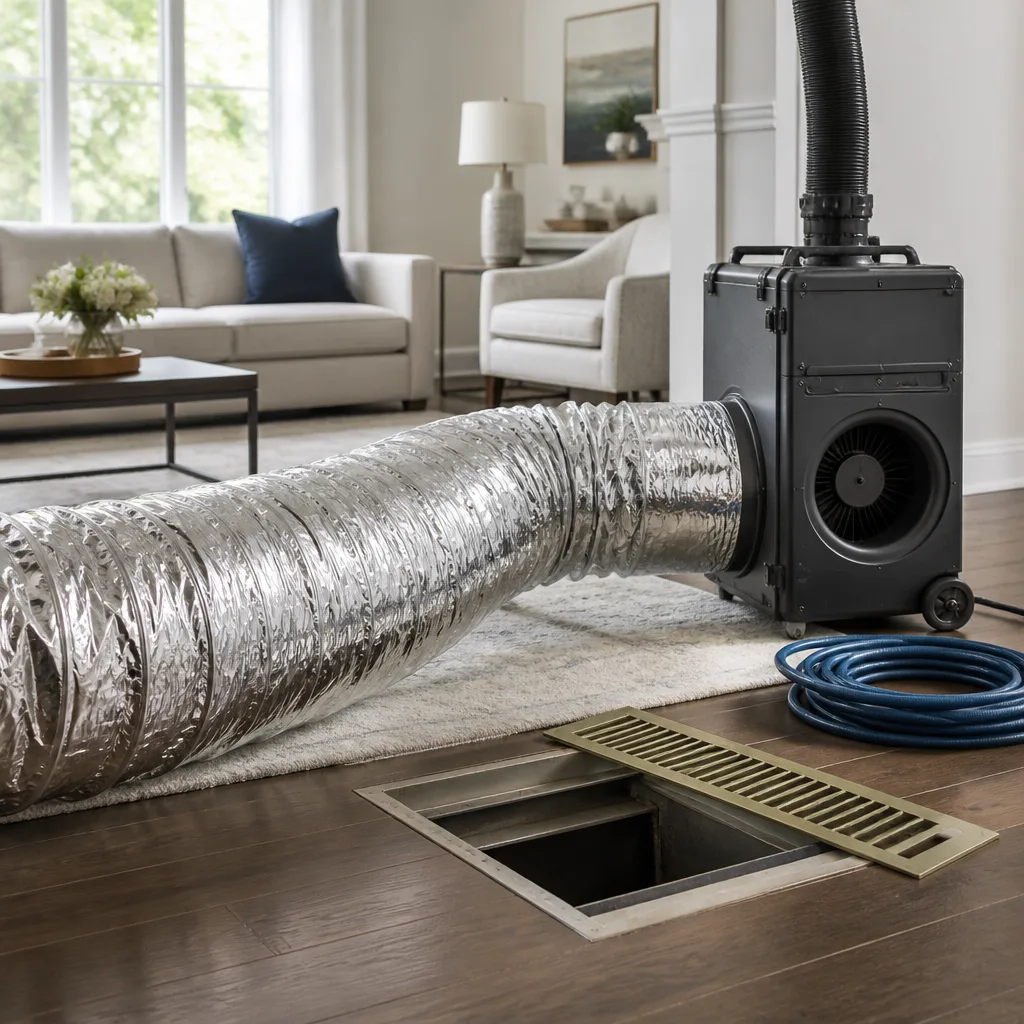 Whole-home duct cleaning
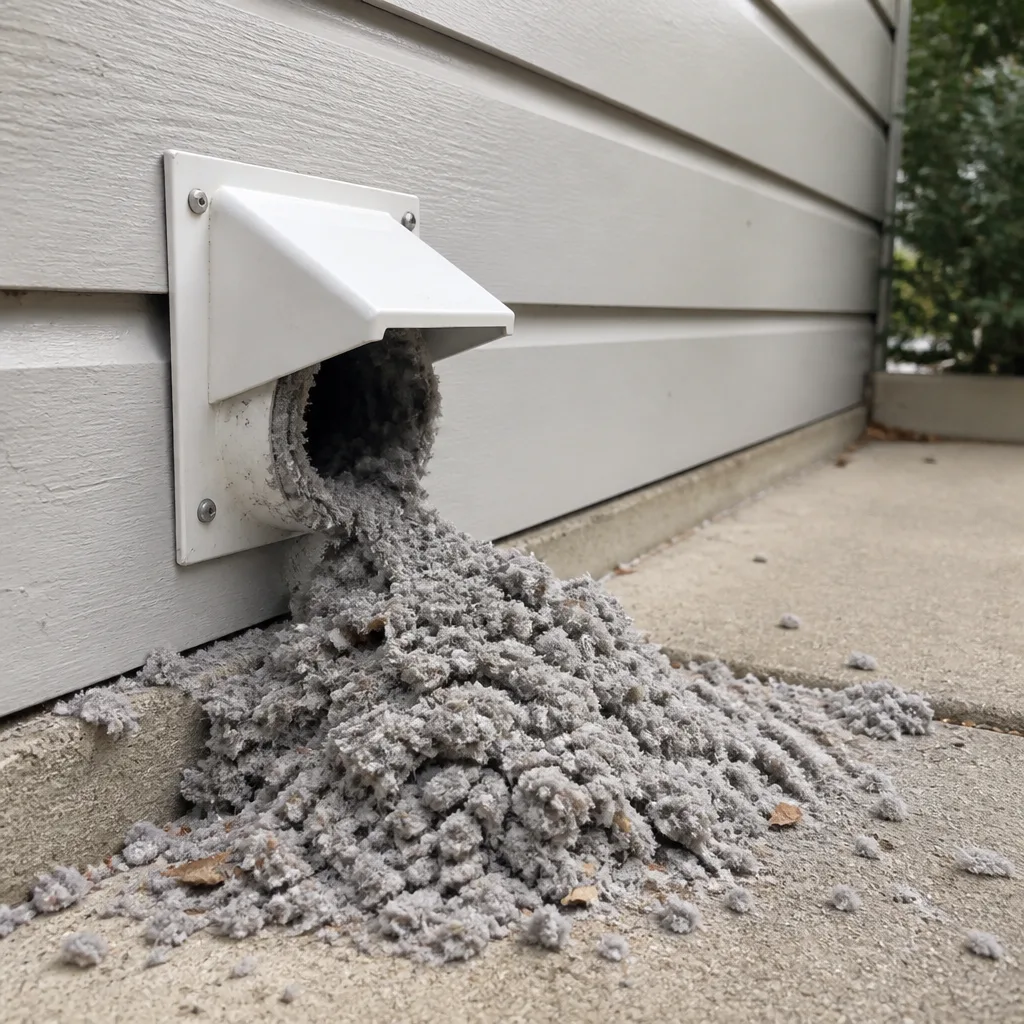 Dryer vent cleaning
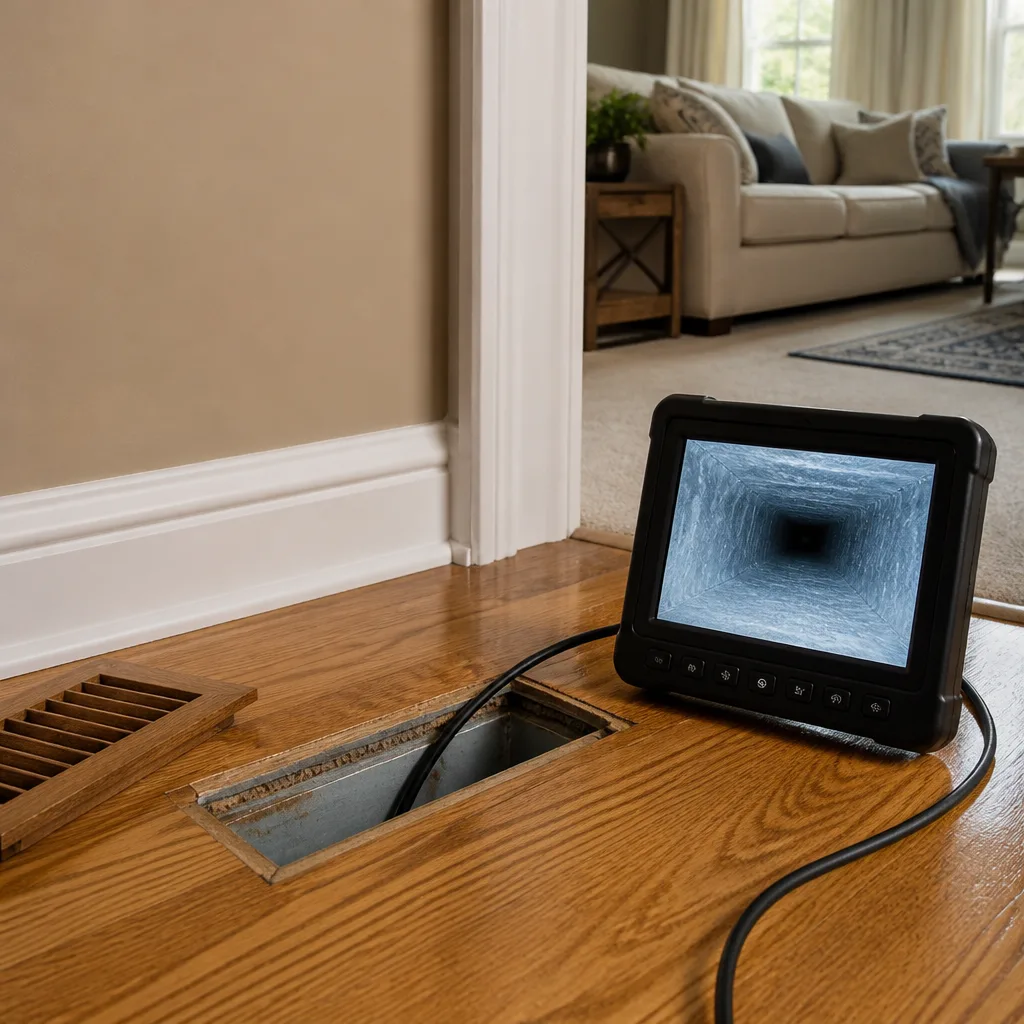 Camera inspection
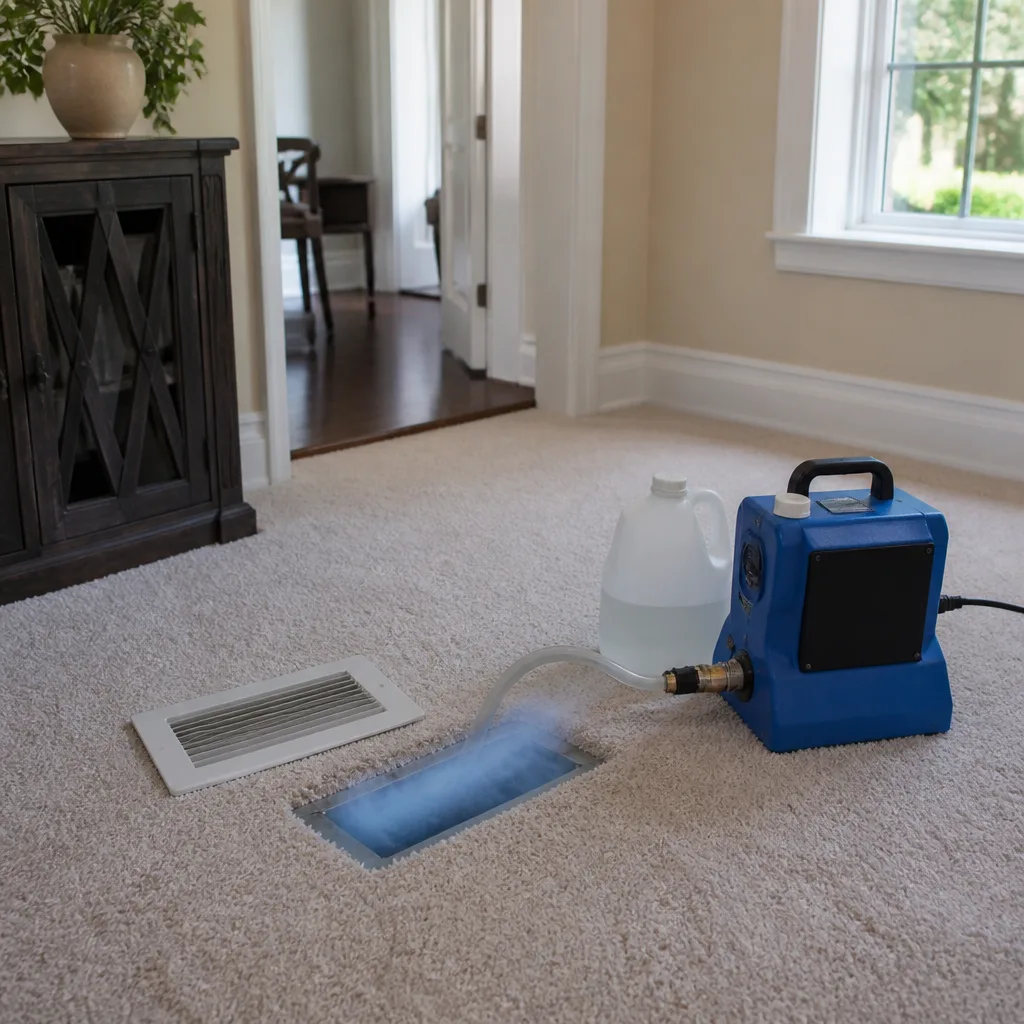 Sanitizing & deodorizing
Whole-system duct and dryer vent check with before-and-after photos - you see exactly what came out of your vents
That "$99 whole-house special" is a bait ad - the real number appears once they are in your hallway, or the "clean" is a shop-vac at the register. We photograph the inside of your ducts before and after instead.
Air Duct Cleaning Maintenance Checklist for Richmond Hill Homeowners
Most homeowners change the filter on schedule and figure the system is maintained. Then a technician pulls the grille and finds a gap around a filter frame that’s been letting unfiltered air straight past the media for months. We see it constantly in older Richmond Hill homes, where the filter slot was never sized tight and the media sits loose in its channel. The filter isn’t failing because it’s dirty; it’s failing because air is bypassing it entirely. That bypass gap is the reason a maintenance checklist has to measure results, not just tick off tasks. This guide gives you the exact checks, the pass/fail line for each one, and the escalation points where a checklist item becomes a service call.
Quick Answer
A working maintenance checklist for a Richmond Hill home means checking five things between professional cleanings: filter fit (not just filter age), grille buildup pattern, airflow balance at each register, blower and coil condition, and odor or symptom patterns logged with dates. A proper professional cleaning belongs on a 2 to 5 year interval depending on building age, occupancy, and how close you sit to the Van Wyck Expressway particulate corridor. When any check hits its fail threshold, that’s your trigger for a call, not a reminder to clean harder.
Styles & brands we work with
- Whole-home duct cleaning
- Dryer vent cleaning
- Camera inspection
- Sanitizing & deodorizing
Table of Contents
- The Flashlight-and-Mirror Grille Check
- Richmond Hill Maintenance Intervals That Actually Fit Your Home
- The Five HVAC Components to Check Between Cleanings
- How to Log Air Quality Observations a Technician Can Use
- When a Checklist Item Becomes a Service Call Trigger
- Why Filter Bypass Is the Most Missed Problem in Richmond Hill
- A Seasonal Rhythm for the Whole Air System
- The Fire-Safety Checklist Item Most Homeowners Skip
The Flashlight-and-Mirror Grille Check
The single most useful thing you can do between professional cleanings takes about four minutes and no tools beyond a flashlight and a small hand mirror. Pop a supply grille, angle the light into the branch duct, and look at where the dust has settled. The pattern tells you more than the quantity does. That’s the difference between a checklist that informs and one that just reassures.
Reading the three buildup patterns
- Even, grey-tan film along the duct floor. Ordinary household dust and lint. Normal between cleanings. Log it and check again in a few months.
- Dark patches, fuzzy texture, or a musty smell that worsens when the system runs. This is the pattern that warrants a professional inspection rather than more vacuuming. It suggests moisture is reaching the duct interior, and moisture is what turns dust into a growth problem. Don’t scrub at it yourself; the fix depends on finding the source.
- Gritty debris, chips, or small construction fragments. Usually leftover from a renovation, a roof job, or ductwork installed and never cleaned out. This won’t clear on its own and typically needs rotary brush extraction to remove.
What to note while the grille is open
- Whether the grille face and the duct interior show the same buildup. Mismatched buildup points to a leak or a bypass closer to the air handler.
- Whether the pattern differs between rooms. One dirty register among clean ones is a local airflow or sealing problem, not a system-wide one.
- Whether the duct interior feels damp or the grille shows any staining. Staining is a reason to stop and call rather than keep checking.
Do this check at two or three registers in different parts of the home, not just the one that looks worst. In our experience across Richmond Hill, the pattern across registers is what points a technician to the right part of the system when they arrive.
Richmond Hill Maintenance Intervals That Actually Fit Your Home
Generic advice says every three to five years. That range is too wide to act on. In Richmond Hill the interval depends on three variables you can actually assess: the age of the building, how many people and pets share the space, and how close you sit to the Van Wyck Expressway particulate corridor. Homes closer to that corridor take in more fine road dust and exhaust particulate, which settles in ducts and loads filters faster. There’s no published number for how much faster, but the difference in filter loading between a home a block from the expressway and one several blocks in is visible on the filter itself.
A practical interval guide
- Older homes with original ductwork, close to the Van Wyck: professional cleaning every 2 to 3 years, filter checks monthly.
- Older homes farther from the corridor, average occupancy: every 3 years, filter checks monthly, grille check twice a year.
- Newer builds with sealed ductwork, low occupancy: every 4 to 5 years, filter checks quarterly unless you have pets or allergy sufferers in the home.
- Any home with recent renovation, roof work, or water intrusion: add a professional inspection regardless of where you are in the cycle.
Multi-unit buildings and rental properties need a shorter cycle than single-family homes because tenant turnover and shared returns concentrate dust. If you manage property in Richmond Hill, treat the interval as a scheduling baseline and shorten it whenever a grille check reads pattern two or three. For a full walkthrough of what a professional job involves from intake to finish, see air duct cleaning.
The Five HVAC Components to Check Between Cleanings
Cleaning ductwork without checking the components that move and condition the air is half a job. These five checks are simple enough to do yourself at the filter-change interval, and each has a clear pass/fail line so you know whether you’re looking at normal wear or a reason to call.
1. The filter and its frame
Check: pull the filter and look at all four edges against the slot. Pass: the media sits snug with no visible light gap. Fail: any gap, sag, or filter that’s clearly undersized for the channel. A bypass gap means unfiltered air has been moving through the system no matter how often you changed the filter.
2. The supply and return grilles
Check: wipe a white cloth across the grille face and look into the branch. Pass: light, even dust film. Fail: dark or fuzzy buildup, staining, or debris (see the flashlight check above).
3. Airflow at each register
Check: hold a tissue at each supply register and watch the deflection. Pass: strong, similar deflection room to room. Fail: one register noticeably weaker, or a return that pulls less than it used to. Uneven airflow is often a sealing or duct damage problem, not a dirt problem.
4. The blower compartment and evaporator coil
Check: with the system off at the thermostat and the breaker, look for dust matting on the blower wheel and coil face. Pass: light, even dust. Fail: matted dust, a visible fuzz layer, or standing moisture. Ask a technician before you touch anything here – this area involves moving parts and electrical components.
5. The drain pan and condensate line
Check: look for standing water or slime in the pan. Pass: dry pan, clear line. Fail: standing water, which is a moisture source feeding the whole system.
The blower and coil also get a dedicated service of their own; that’s what HVAC cleaning covers, and it’s the reason a duct clean alone doesn’t fix a system that keeps dirtying its own air.
How to Log Air Quality Observations a Technician Can Use
Most homeowners arrive at a service call with a vague memory: “it smells musty sometimes” or “the bedroom feels stuffy.” That’s hard to act on. A short written log turns a hunch into diagnostic data. It costs a couple of minutes a week and it changes the quality of the conversation when a professional arrives.
What to record, and how
- Odors, with a description and a location. Not “musty” but “musty in the hallway return, strongest when the heat first comes on.” Location points at a specific branch of the system.
- Symptom patterns, with timing. Who notices it, in which room, at what time of day or after what activity. Patterns tied to the system starting up are different from patterns tied to weather.
- Visible dust, with a count. “Dust on the TV stand returns two days after wiping” is measurable; “it gets dusty” isn’t.
- Dates, every entry. A log without dates can’t show whether a problem is worsening, stable, or seasonal.
- Anything that changed. Renovation, new furniture, a roof repair, a new pet, a water leak. Each is a plausible source and each changes what a technician checks first.
Why the detail matters
When a technician knows the odor is strongest at one return and appears only on startup, they check moisture in that branch and the blower compartment first, rather than sweeping the entire system blind. On a more serious contamination call, our team brings in Abatement Technologies negative-air containment equipment to control dust and isolate the work area – that kind of setup is guided by what the log describes, which is why the notes are worth keeping.
When a Checklist Item Becomes a Service Call Trigger
This is the part most checklists leave out. A checklist that never tells you when to stop checking and make a call just becomes busywork. Here are the thresholds we use. Cross any one of them and it’s time to book an inspection rather than repeat the check next month.
- Filter bypass: any visible gap around the filter. One call to inspect and, if needed, seal the frame.
- Grille pattern two or three: dark, fuzzy, or debris buildup at more than one register.
- Persistent odor: a musty or chemical smell that returns within two weeks of the system running normally, with the log to show the pattern.
- Uneven airflow: a register that reads clearly weak across two consecutive checks, or a supply-versus-return imbalance that didn’t exist before.
- Standing moisture: water in the drain pan or staining on ductwork or grilles. This stops being a maintenance item and becomes a repair call.
- Symptoms that track with the home: allergy-type symptoms that ease when you’re away and return at home, logged over several weeks.
- Dust that returns fast: dust reappearing within a few days of wiping, repeatedly, especially after a renovation.
Airflow and dust problems that keep coming back usually trace to a leak or gap somewhere in the ductwork, and cleaning alone won’t hold. Duct repair and sealing addresses that root cause directly, which is why we offer it as its own service rather than a footnote to a cleaning visit.
Why Filter Bypass Is the Most Missed Problem in Richmond Hill
Every checklist in the country mentions the filter. Almost none mention the filter’s fit, and fit is where Richmond Hill homes most often fall down. Many of the area’s homes were built with filter slots sized for a nominal depth rather than the exact media, or have had the original furnace replaced at some point with a cabinet that doesn’t match the older return. Either way, the filter sits a little loose, and a loose filter lets a meaningful share of air slip past the media unfiltered. That air carries the dust straight onto the blower and coil.
A two-minute test
- Turn the system off at the thermostat.
- Slide the filter out and look at the slot edges. Then slide it back and check whether it moves.
- Hold a flashlight at the edge of the filter frame with the system running on fan only. Any light or airflow visible around the media is bypass.
If you find a gap, don’t improvise with tape across the filter – it restricts airflow and can pull loose into the blower. This is a job for a technician who can measure the slot and fit the right frame or gasket. Once the frame is sized correctly, your filter finally does the job you’ve been paying for.
What this changes about your whole schedule
A home with a bypass gap effectively runs unfiltered, which shortens every other interval on this checklist. Once that’s fixed, the intervals above hold. Until it is, treat your grille checks as more frequent and your professional cleaning cycle as shorter. It’s the single highest-leverage fix in the whole maintenance routine.
A Seasonal Rhythm for the Whole Air System
The checks above work best on a fixed rhythm so you’re never guessing what you did last. Richmond Hill’s seasons line up with the system’s workload: heating season loads the system with dry, dusty air, and cooling season adds moisture to the condensate side. The checklist rhythm follows those two cycles.
Before heating season
- Change the filter and re-run the bypass test.
- Flashlight check at two or three supply registers.
- Look over the return grille and the exposed ductwork for staining or gaps.
- Start the log fresh for the season.
Before cooling season
- Change the filter, check for a gap, and note the loading rate.
- Look at the drain pan and condensate line for standing water.
- Run the tissue airflow test at every register and compare to last season.
- Check the grilles again for pattern two.
After any renovation or water event
Add a full inspection no matter the season. Sawdust, drywall dust, and moisture all load the system far faster than normal use, and particulate from a renovation can lodge where a flashlight won’t show it. A professional clean with rotary brush extraction and HEPA-rated negative-pressure vacuum – the Rotobrush and Nikro equipment our technicians use on every job – pulls that material out rather than pushing it deeper. Where contamination is heavier, Abatement Technologies containment gear keeps dust out of your living space during the work.
The Fire-Safety Checklist Item Most Homeowners Skip
The ductwork that serves your heating and cooling isn’t the only air pathway in the house. The dryer vent is the other one, and it’s the one where a blockage is a fire risk rather than an air quality nuisance. Lint collects in the vent, restricts airflow, and gives the dryer’s heat somewhere to build. Clothes taking two cycles to dry, or a dryer that feels hot to the touch at the back, are the standard early signs.
What the vent check looks like
- Disconnect the vent at the back of the dryer and look inside for a lint layer.
- Check the exterior vent flap opens freely when the dryer runs.
- Keep the run as short and straight as the installation allows; long flexible runs trap lint.
Because it’s a fire-safety item, this is a check we don’t leave to guesswork. dryer vent cleaning is part of what we do for that reason, and it’s a service a lot of HVAC cleaners simply don’t offer. Full-system maintenance means the full set of air pathways, not only the one with the furnace attached.
Common Mistakes to Avoid
- Counting a filter change as maintenance. A fresh filter in a slot with a gap is barely filtering. Check the fit every time you change the media.
- Skipping the grille check because the register looks clean on the outside. Buildup hides inside the branch duct; the face of the grille tells you very little on its own.
- Cleaning the ducts and ignoring the blower and coil. Dirt on the blower and coil re-contaminates a freshly cleaned system within months. Clean the whole air pathway, not just the visible duct runs.
- Hiring whoever quotes the lowest number. A low quote often means a portable vacuum and a quick surface pass. Ask which equipment they use; the answer tells you what the job will actually be.
- Ignoring the log. Without dates and locations, your description of a problem resets to a guess at every service call.
- Treating a moisture problem as a dust problem. Staining and musty odors mean water is involved. No amount of cleaning fixes a moisture source.
- Forgetting the dryer vent entirely. It’s part of the same house, the same airflow logic, and carries the highest safety stakes of anything on this list.
See the difference
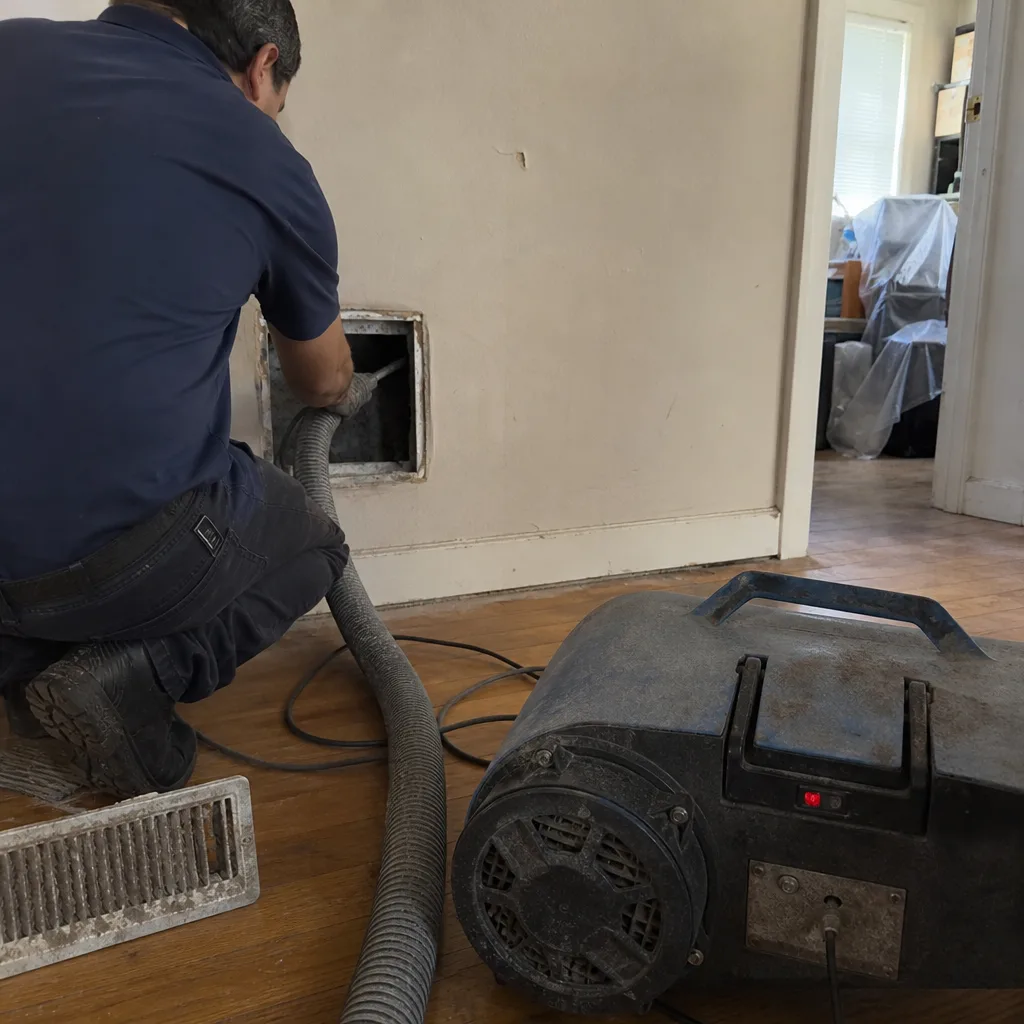 Before
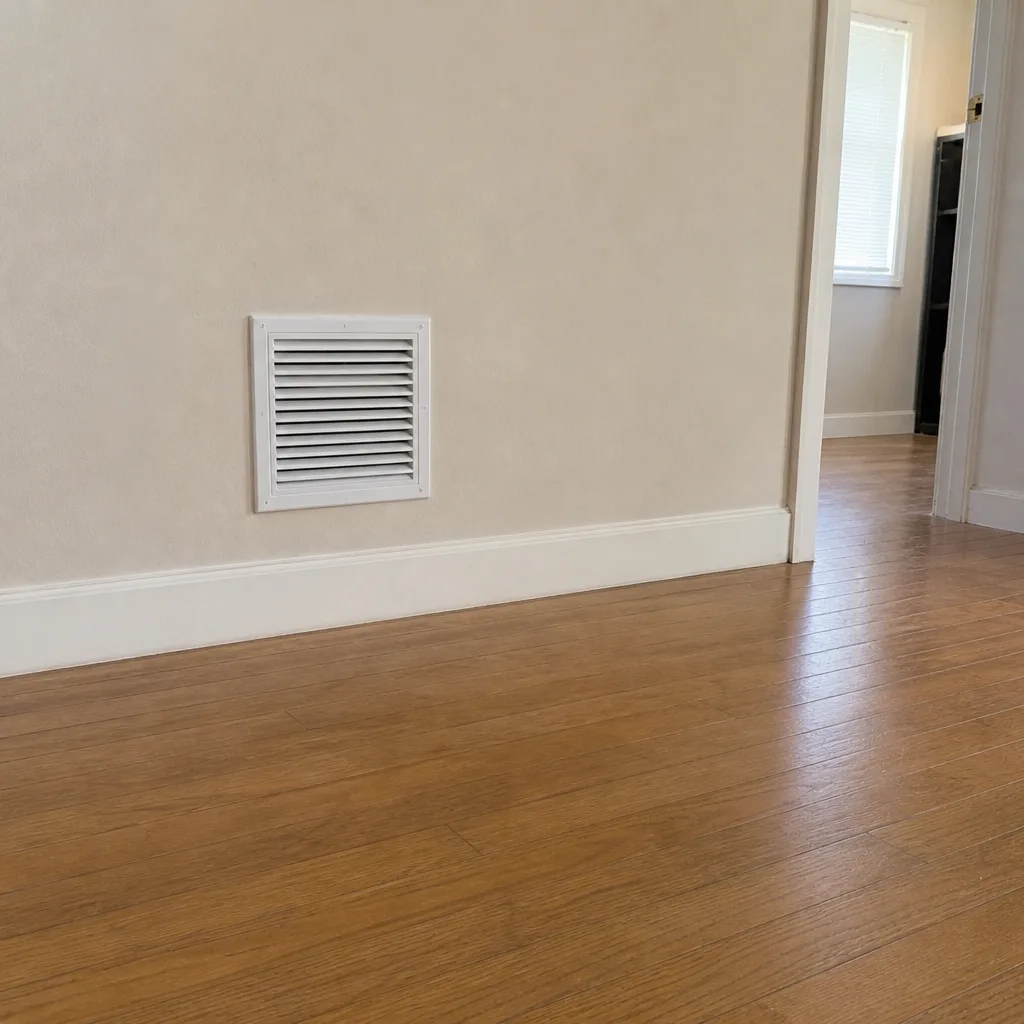 After
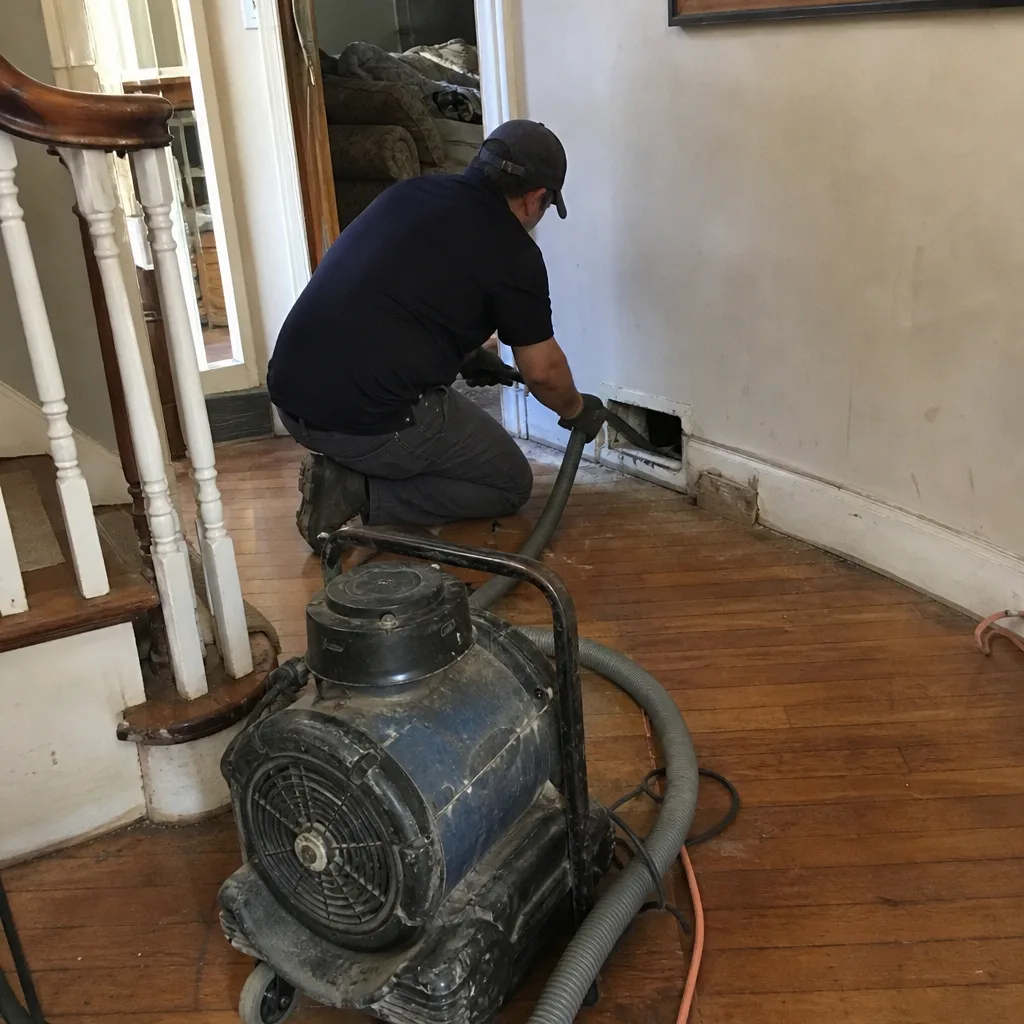 Before
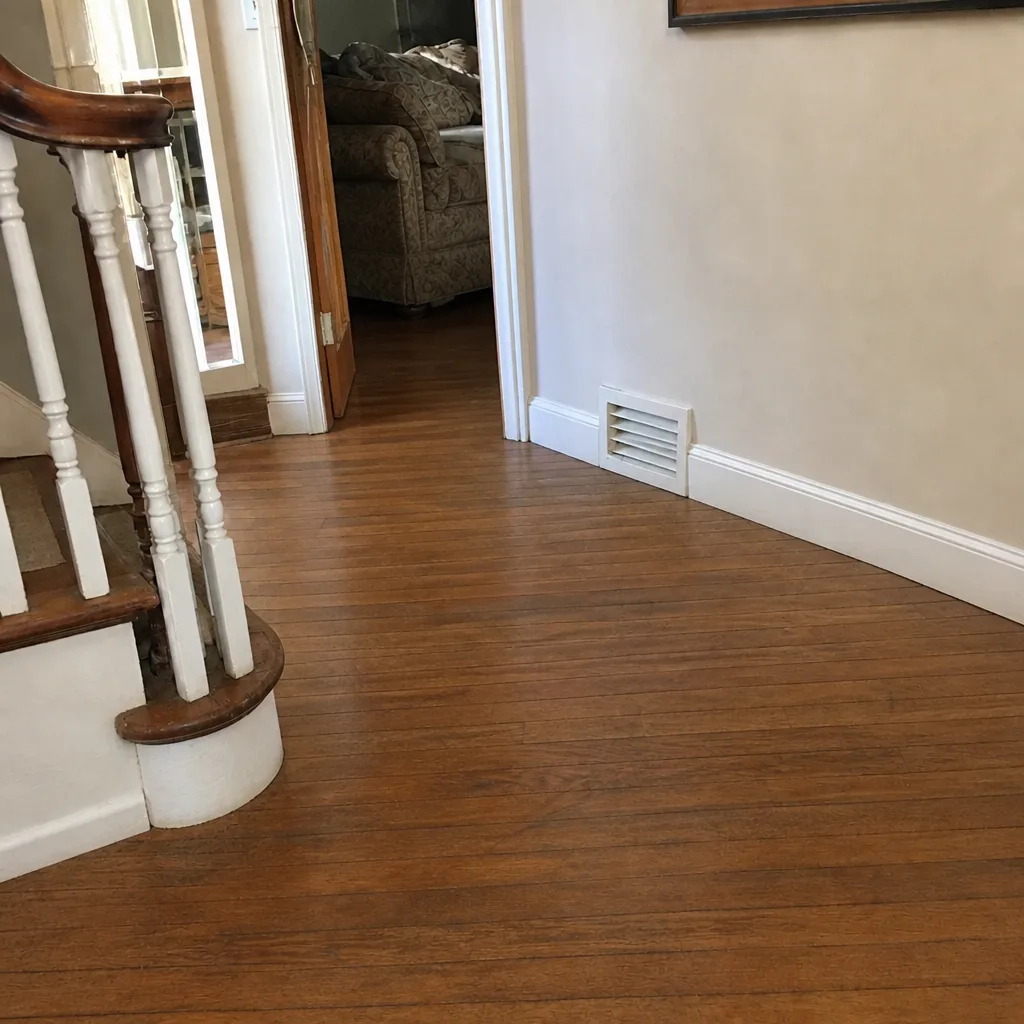 After
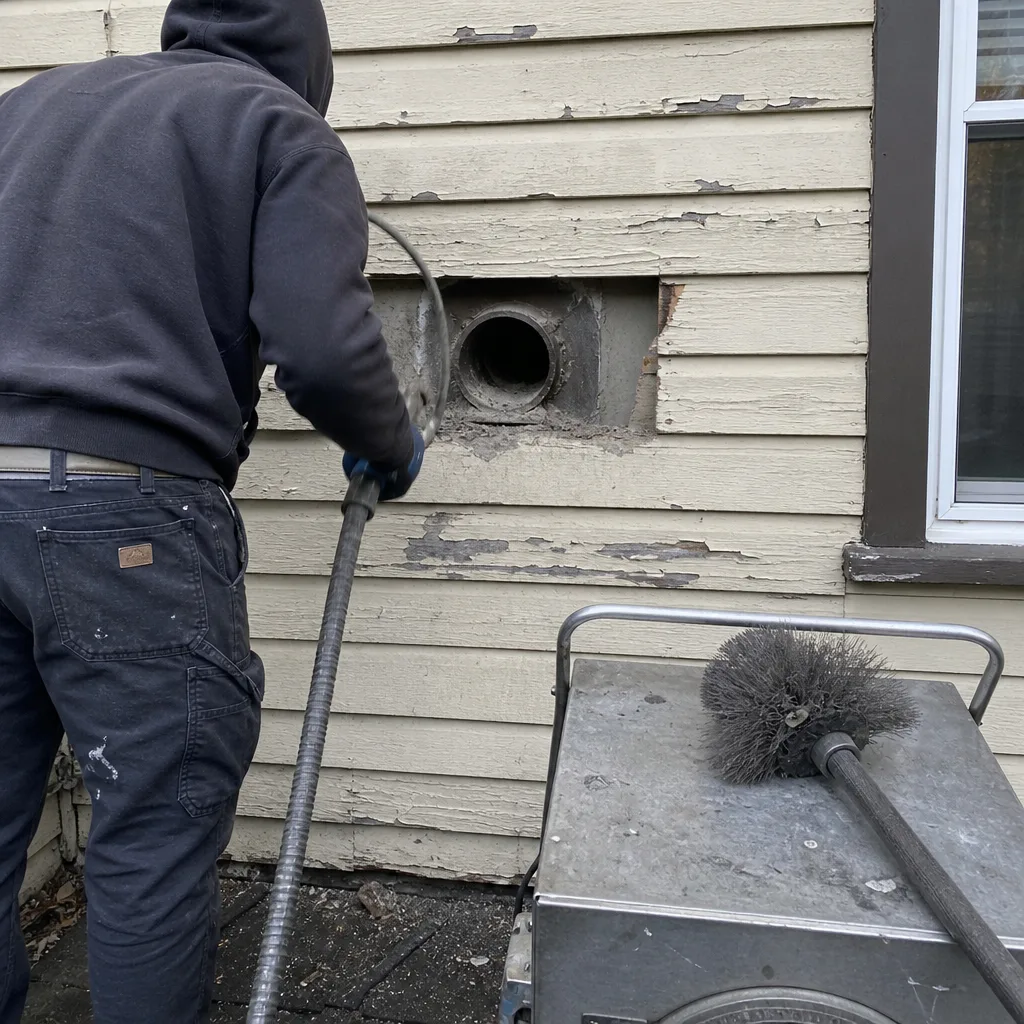 Before
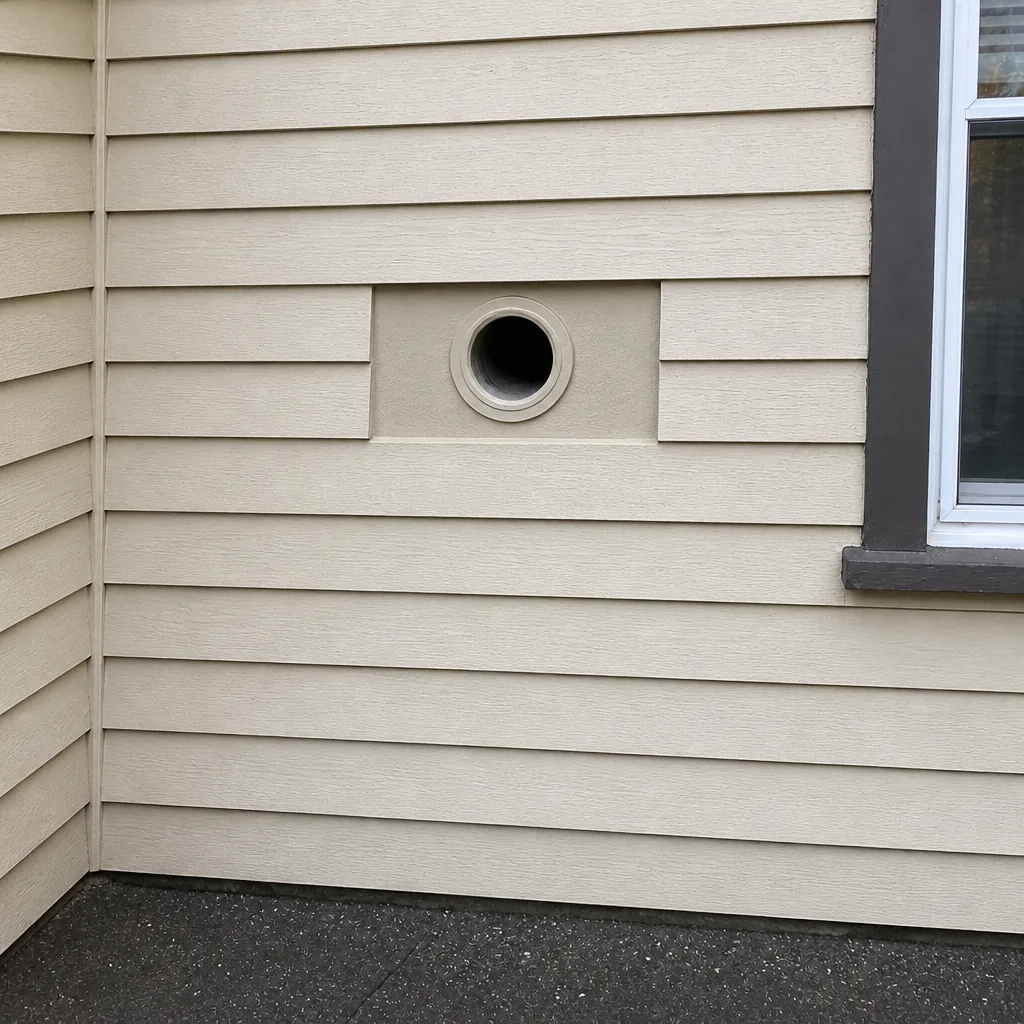 After
When to Call a Professional
Call a professional when any single item hits its fail threshold above – filter bypass, dark or fuzzy buildup at more than one register, a persistent odor you can log, uneven airflow across two checks, or standing moisture. Don’t wait for a full fail across every checklist line: one crossed threshold is enough, because every one of these issues worsens and loads the rest of the system. Call sooner rather than later if you have a renovation underway or any water event, since both load the system far more heavily than normal use. Air Duct Cleaning Richmond Hill offers free estimates in Richmond Hill and works the whole air pathway from the HVAC unit to the vent grille, so the clean, the seal, and the air quality work all come from one team. Our technicians have up to 14 years of experience, and we use contractor-class Rotobrush and Nikro equipment on every job rather than portable rigs. Call (888) 362-5954.
Frequently Asked Questions
For most Richmond Hill homes, a professional cleaning belongs on a 2 to 5 year interval depending on building age, occupancy, and how close you sit to the Van Wyck Expressway particulate corridor. Older homes with original ductwork and heavier occupancy sit at the two-to-three year end; newer, well-sealed homes with low occupancy sit at four to five. The grille check above tells you when to move up the schedule rather than wait out the interval. Call (888) 362-5954 for a free estimate if you’re unsure where your home falls.
Typical air duct cleaning in Richmond Hill falls within an estimated range rather than a fixed figure, because the price depends on system size, number of registers, and the condition the inspection finds. The whole job is priced as one flat figure per system, agreed in writing before work starts, never per vent and never from a teaser coupon. The written estimate sets the final price, so ask to see it in writing before you agree. Call (888) 362-5954 for a free estimate.
A low quote usually means a portable vacuum and a quick pass, which can leave dust and debris in the duct runs and stir contamination into the air rather than pulling it out. Contractor-class equipment with HEPA-rated negative-pressure vacuum and rotary brush extraction is what actually clears the system, and it costs more to do properly. Ask which equipment a company uses before comparing numbers. Call (888) 362-5954 for an honest estimate from Air Duct Cleaning Richmond Hill.
Ask for before-and-after photos of your own ducts and grilles, plus a walkthrough at the air handler so you can see the rotary brush and negative-pressure setup in use. A genuine job leaves no part of the process hidden. Our technicians use Rotobrush and Nikro equipment on every air duct job, and where contamination is elevated we bring Abatement Technologies containment gear to keep the work area controlled. Call (888) 362-5954 to book a free estimate.
No, because the filter only protects what reaches it, and it doesn’t clean the duct walls, the blower, or the coil. It also may not be sealing at all if there’s a bypass gap, in which case regular filter changes have been doing very little. Filters and professional cleaning address different parts of the system. Call (888) 362-5954 if you want a system inspection to find out whether that gap is there.
It depends on what the inspection finds. If airflow is uneven or dust returns fast after a clean, a leak or gap is likely, and sealing is the fix that stops it recurring. Duct repair and sealing is a service we do on its own so that root cause gets addressed properly rather than as an afterthought. Call (888) 362-5954 for a free estimate and we’ll tell you what the system needs based on what we find.
The Bottom Line
A maintenance checklist earns its keep when every line has a pass/fail threshold and a clear moment where checking turns into calling. Start with the filter fit, because a bypass gap quietly undermines everything else. Run the flashlight-and-mirror check at more than one register, record what you see with dates and locations, and follow a seasonal rhythm so the system is inspected before each heavy season rather than after. When you do need professional work, ask what equipment will be on site, ask for the flat price in writing, and ask for before-and-after photos of your own system. For homeowners in Richmond Hill, we are here to run the full checklist with you and then handle whatever it turns up. Call (888) 362-5954. We answer 24/7. Fast dispatch from 7am to 7pm, Sunday through Friday.
Written by the team at Air Duct Cleaning Richmond Hill.