
Last updated November 22, 2026
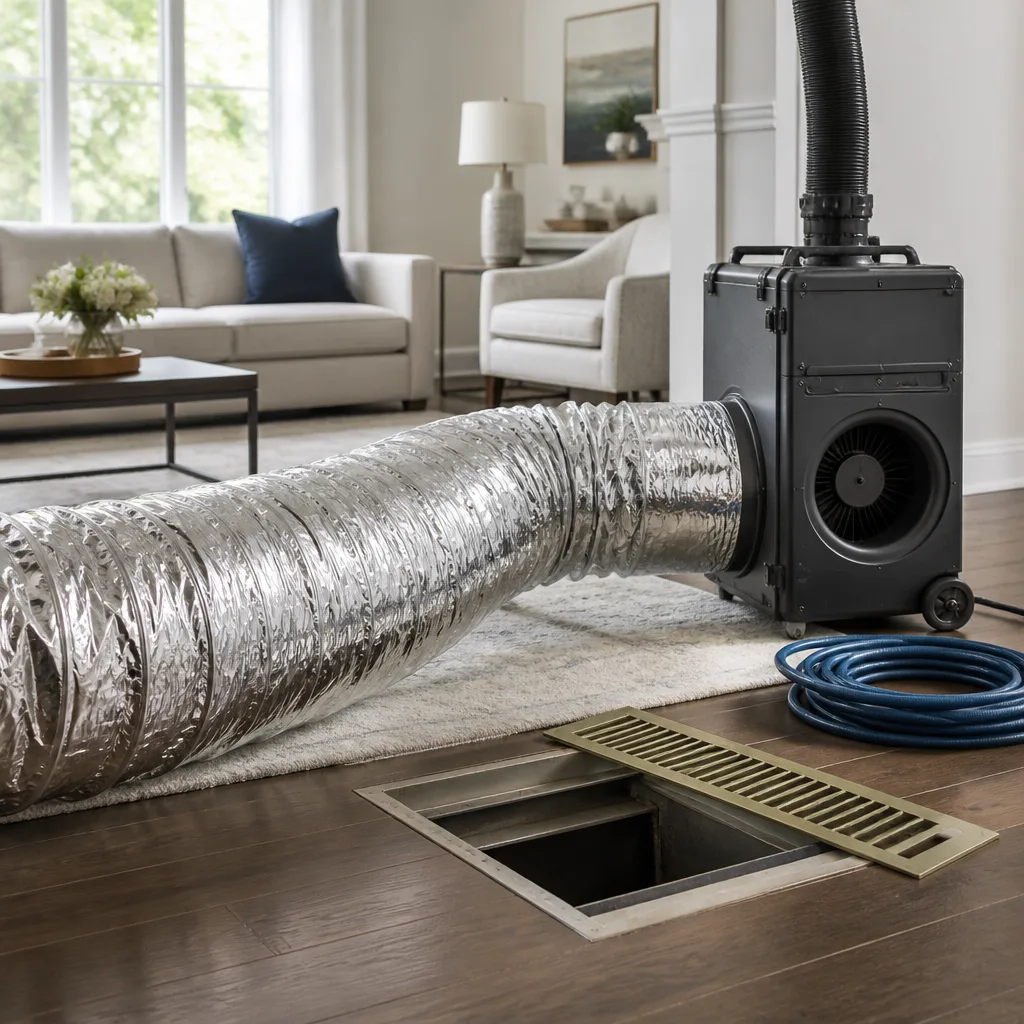 Whole-home duct cleaning
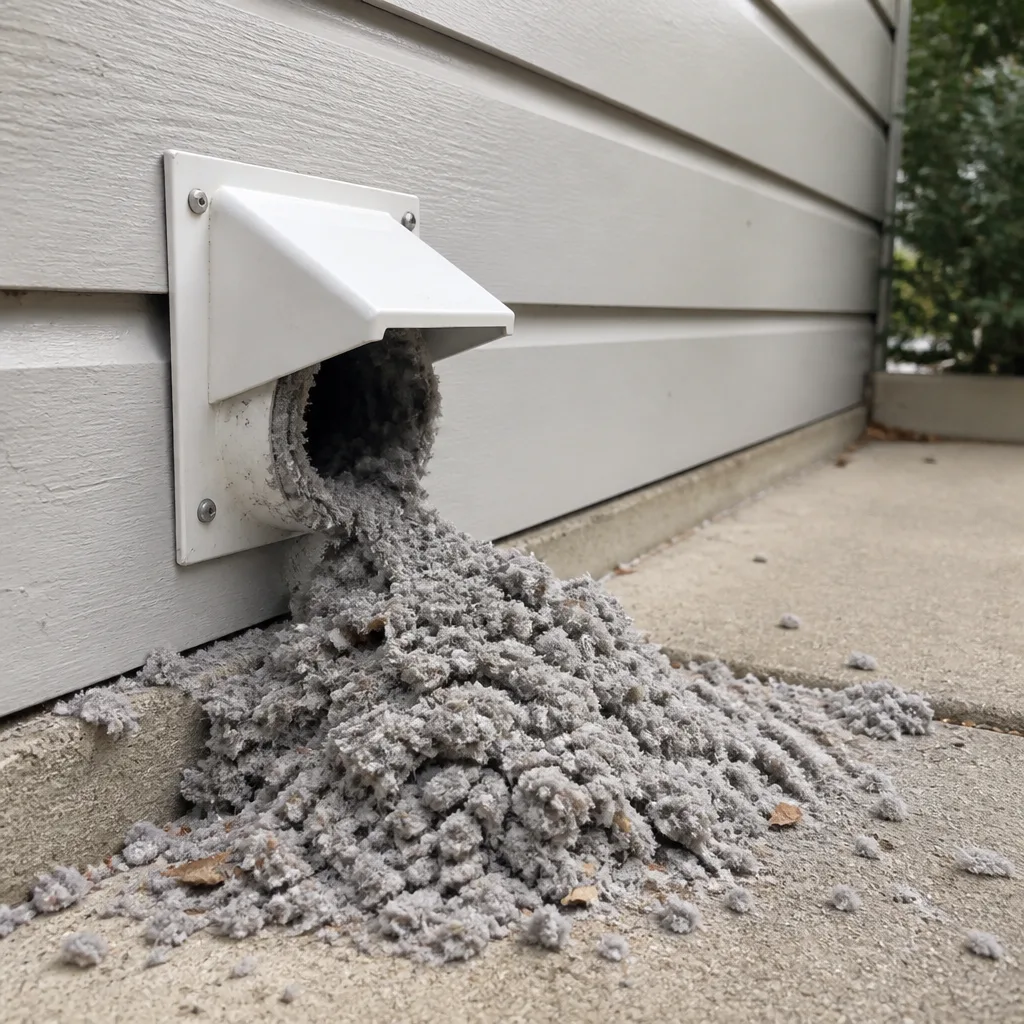 Dryer vent cleaning
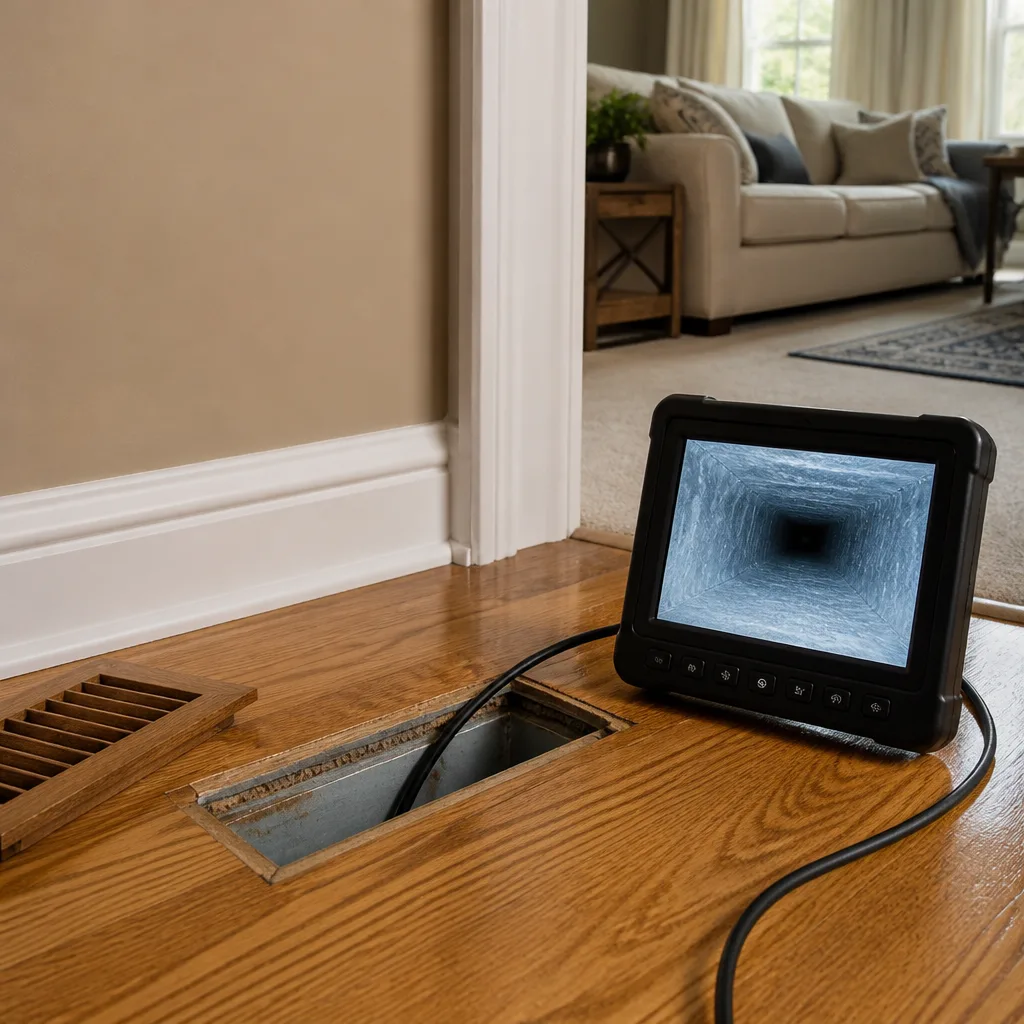 Camera inspection
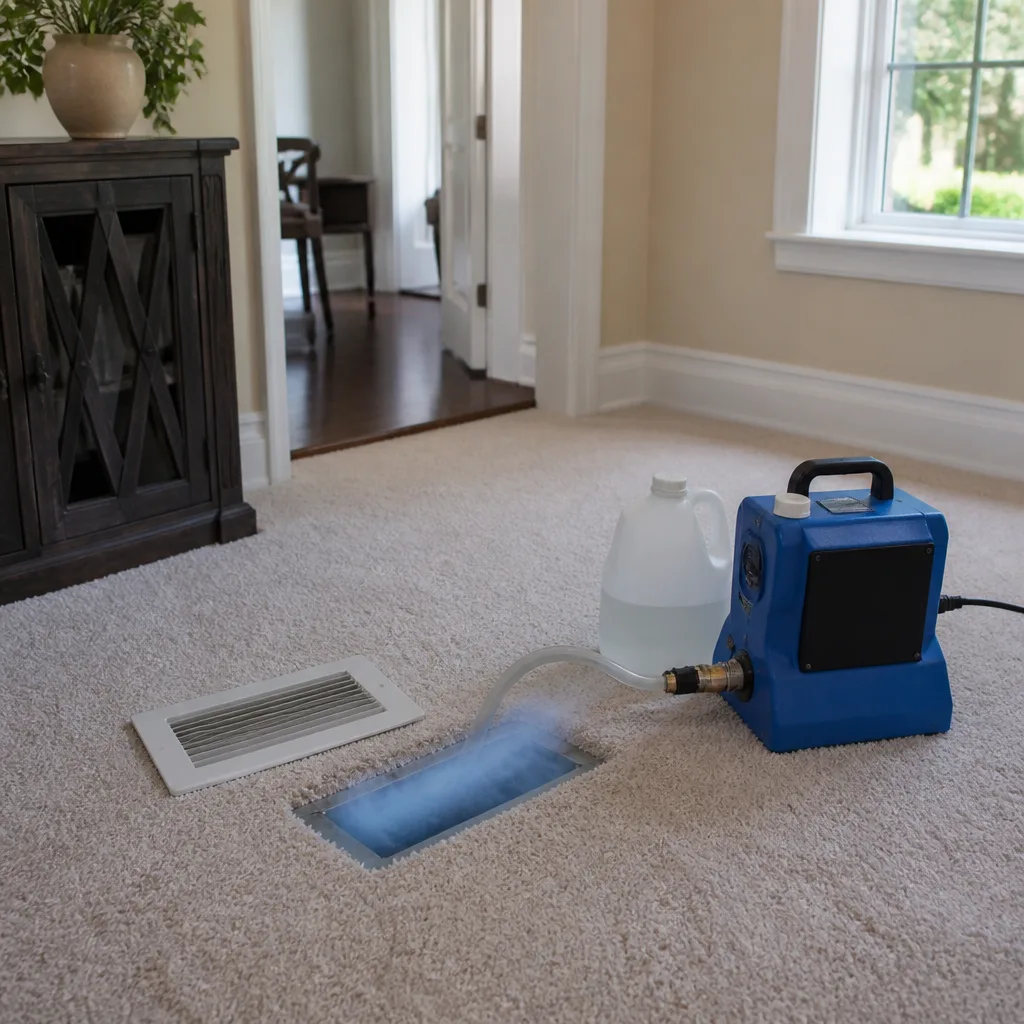 Sanitizing & deodorizing
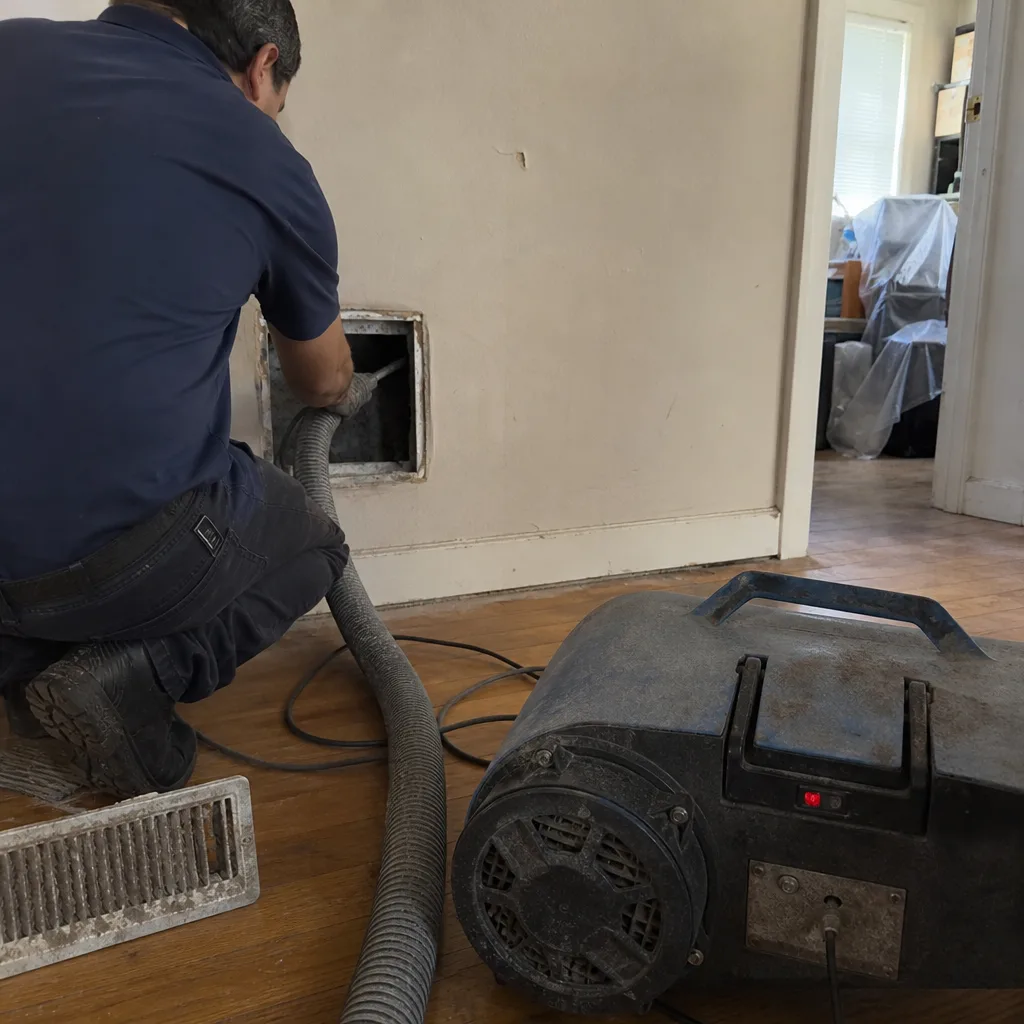
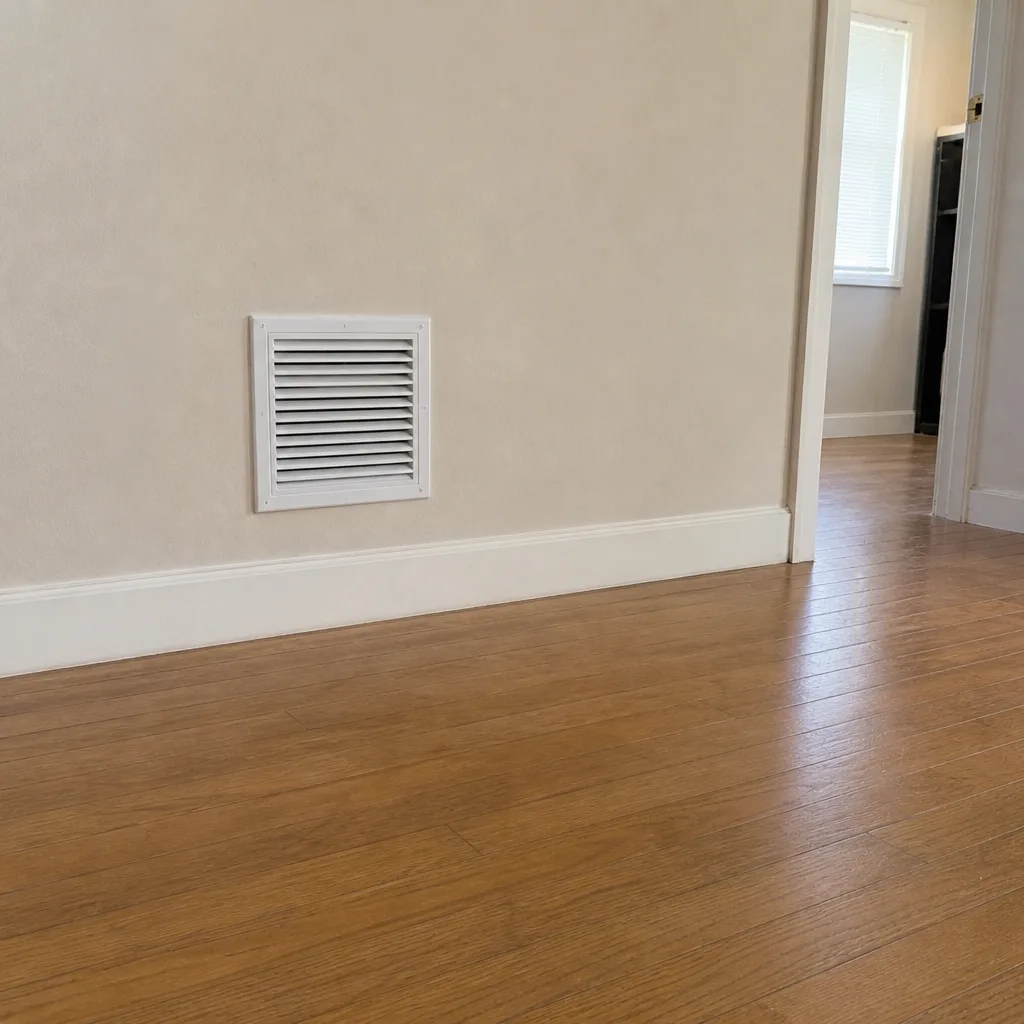
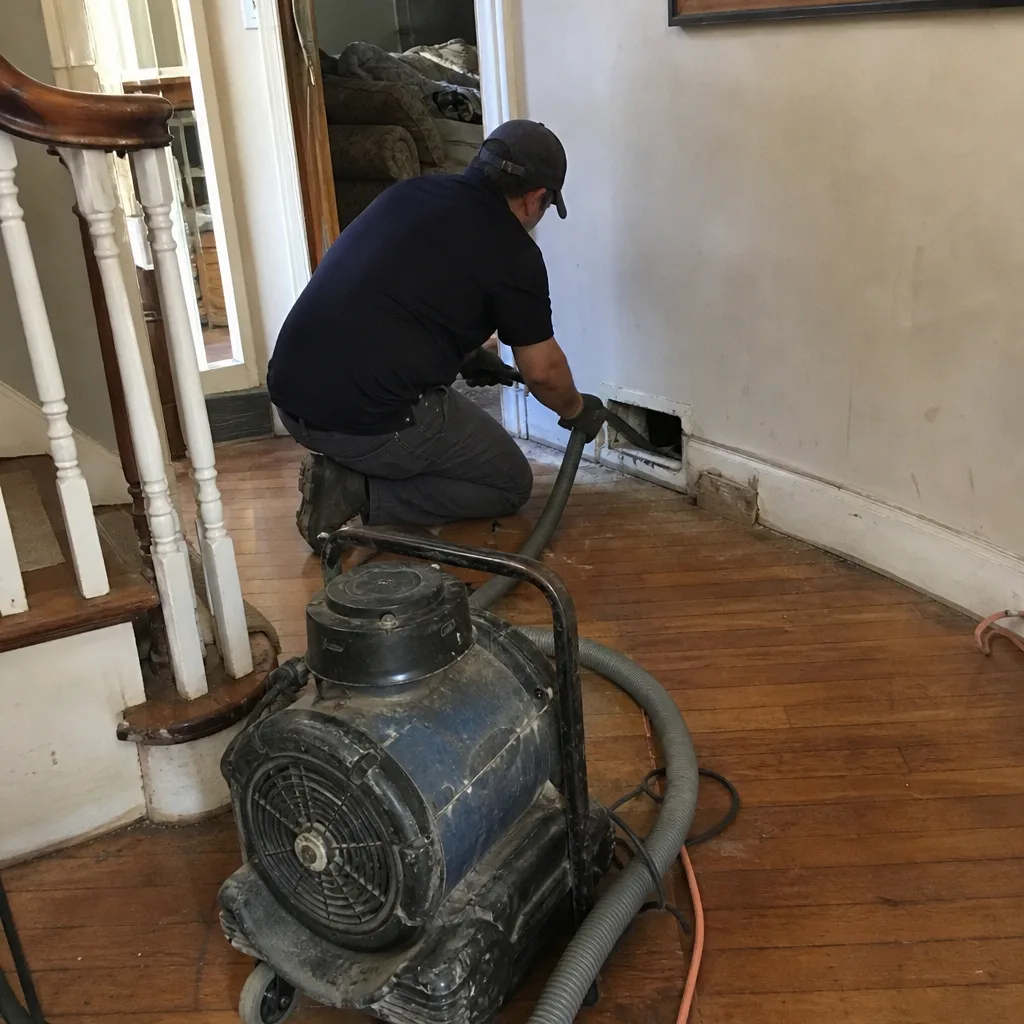
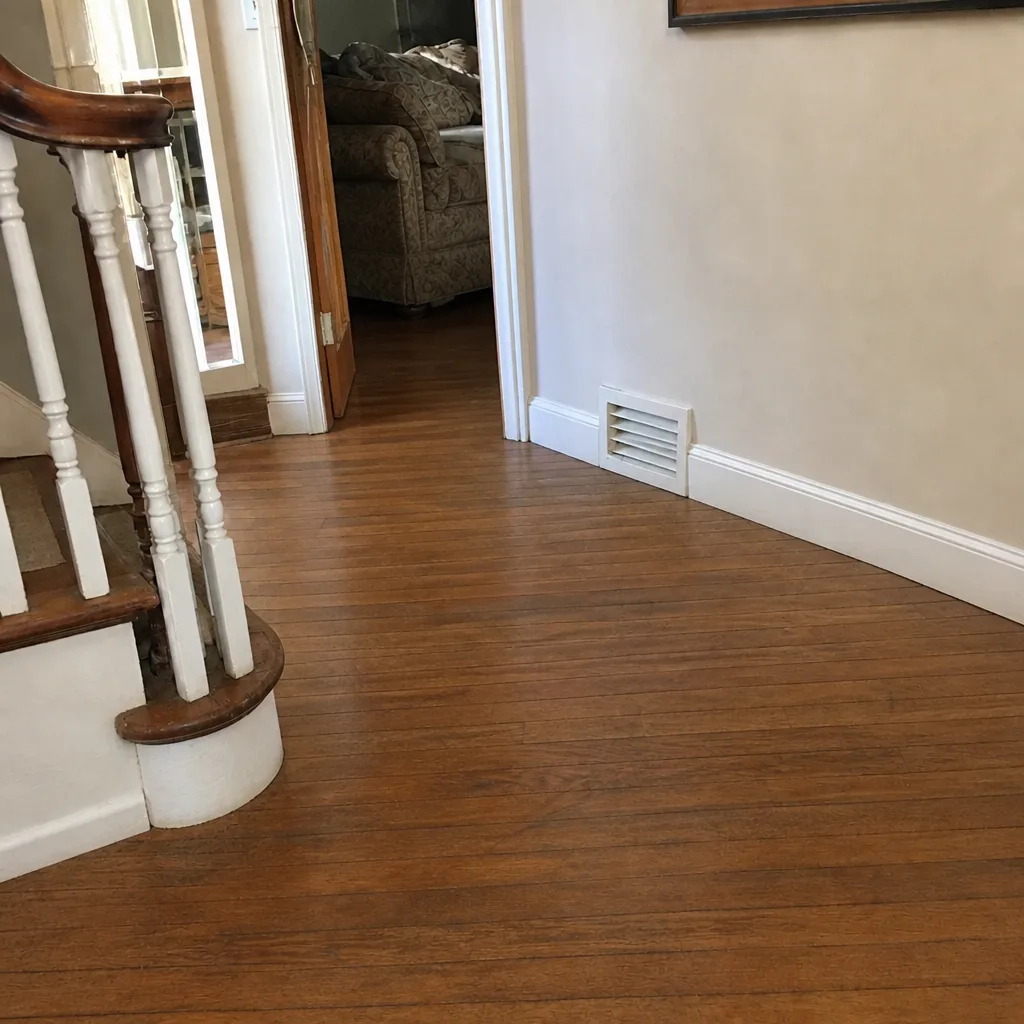
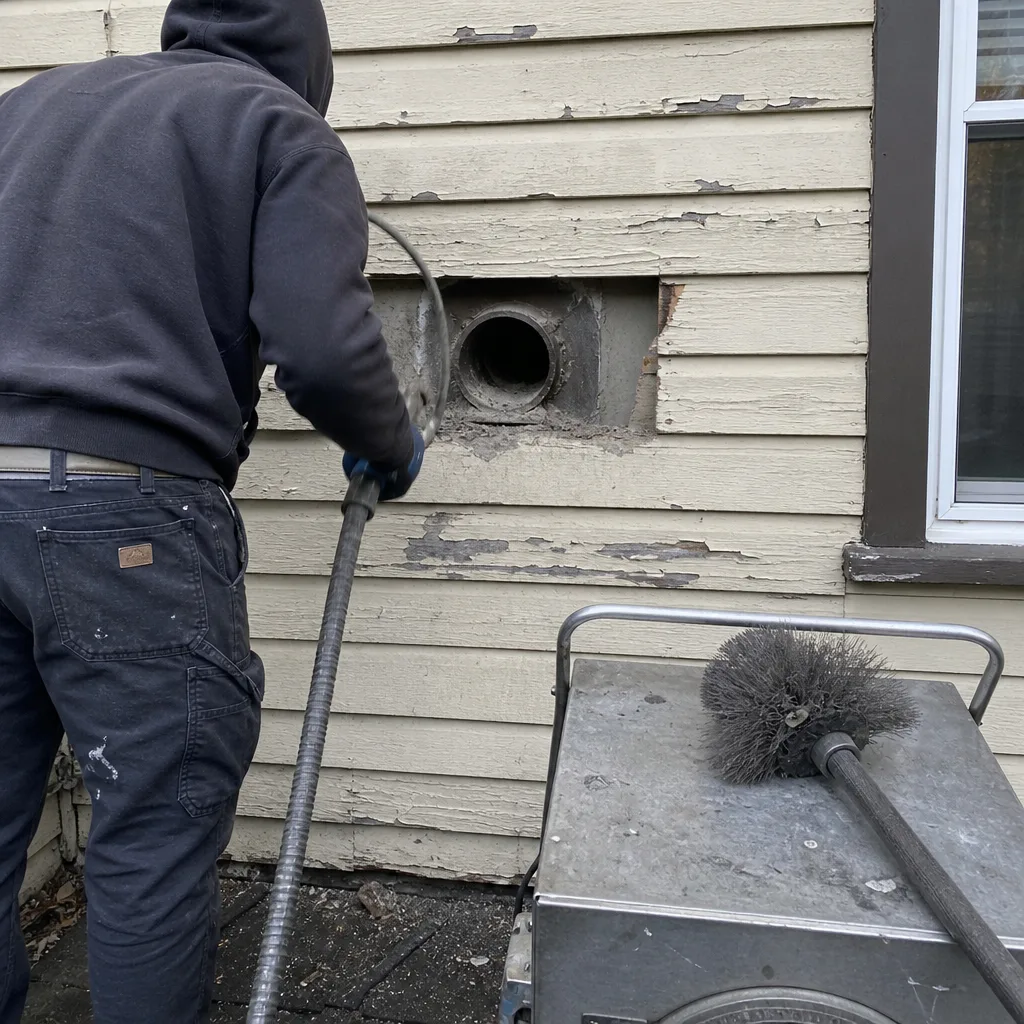
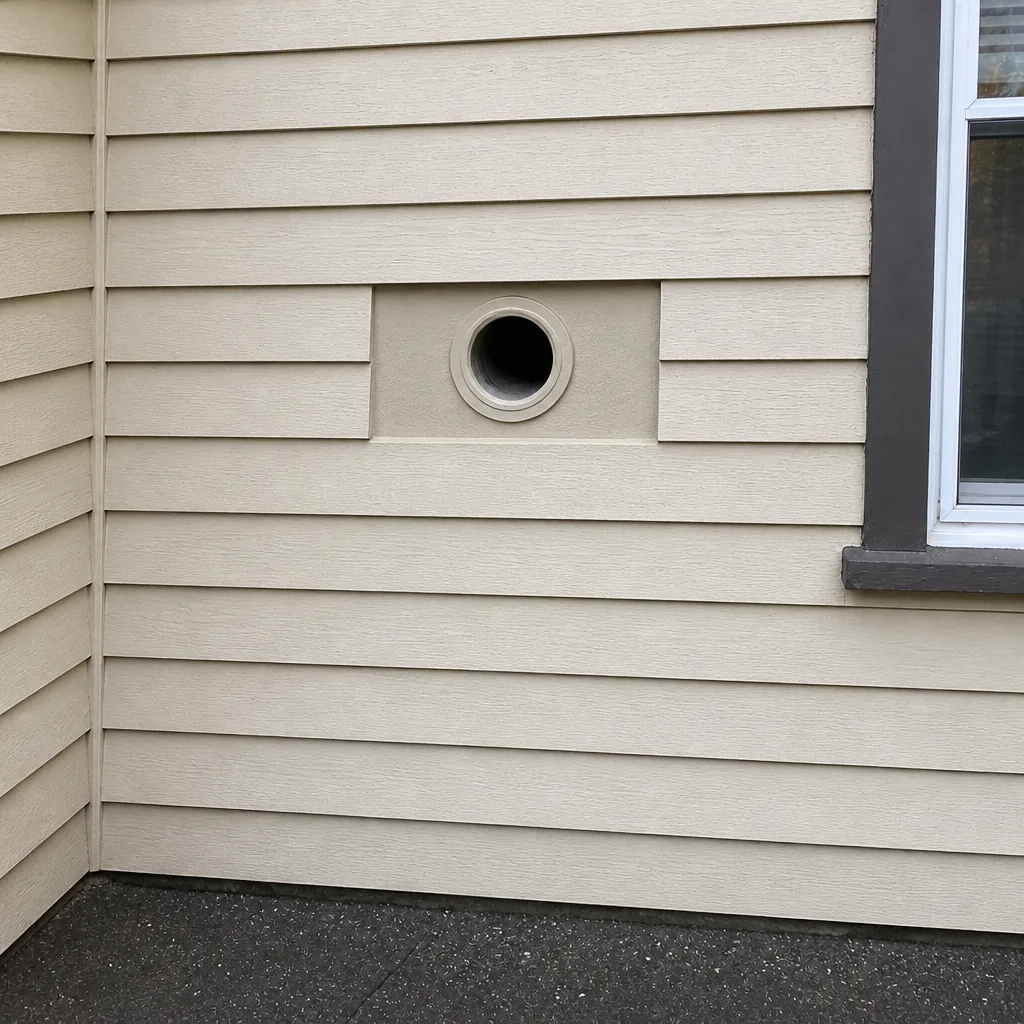
Whole-system duct and dryer vent check with before-and-after photos - you see exactly what came out of your vents
That "$99 whole-house special" is a bait ad - the real number appears once they are in your hallway, or the "clean" is a shop-vac at the register. We photograph the inside of your ducts before and after instead.
Air Duct Cleaning Permits, Codes & Inspections in Richmond Hill, NY: What You Need to Know
The common assumption is that air duct work is invisible work, so nothing about it ever needs to be reviewed, recorded, or approved. That assumption is half right, and the half that’s wrong can cost a Richmond Hill homeowner a lot at resale. Routine cleaning of the ducts in a house generally doesn’t require a permit in New York. But repair work that changes the duct system itself, or that touches the mechanical equipment feeding it, sits on the other side of a line that many homeowners never hear about until an inspector points it out. This guide explains exactly where that line falls, what Queens residential code expects, how recent New York City laws interact with duct sealing in older Richmond Hill housing stock, and how to protect yourself with proper documentation.
Quick Answer
Plain air duct cleaning in Richmond Hill, NY does not require a permit; it’s a maintenance service, not construction. Mechanical work that alters the duct system, such as cutting in new access panels, replacing or extending duct runs, or modifying the HVAC unit, typically falls under New York City mechanical code and needs a licensed contractor and often a permit. The reliable way to tell the difference is a written scope of work that states what’s being done and under what authority.
Styles & brands we work with
- Whole-home duct cleaning
- Dryer vent cleaning
- Camera inspection
- Sanitizing & deodorizing
Table of Contents
- Where the Permit Line Actually Falls
- What NYC and Queens Residential Codes Expect
- How Local Law 97 and Energy Codes Touch Duct Sealing
- CO Detector Triggers During HVAC Access Work
- Homeowner Permit vs. Licensed Mechanical Contractor
- Requesting a Scope-of-Work Letter
- What an Inspection Looks Like in Richmond Hill
- Common Mistakes to Avoid
- When to Call a Professional
- Frequently Asked Questions
Where the Permit Line Actually Falls
In New York City, cleaning a duct system is treated as maintenance. Poking a hole in it, rerouting it, or replacing a section is treated as mechanical work. That is the simplest version of the rule, and it covers most of the situations a Richmond Hill homeowner will run into.
On the maintenance side, no permit is required for:
- Rotary brush cleaning of existing duct runs
- Negative-pressure vacuum extraction with HEPA filtration
- Sanitizing an existing duct interior
- Cleaning the accessible interior of the air handler and blower on a like-for-like basis
- Sealing visible joints and seams with mastic or approved tape on the accessible portion of the system
On the construction side, a licensed mechanical contractor is typically needed, and a permit may be required, for:
- Cutting new access panels into ductwork that has none
- Replacing flexible or rigid duct runs with a different material or configuration
- Extending the duct system into a converted attic, basement, or addition
- Changing the size or routing of a trunk line
- Replacing the air handler, furnace, or condenser unit
- Adding or relocating a thermostat that requires new low-voltage wiring through the structure
The complication in Richmond Hill is that older homes often need both at once. A duct system that’s been in a house on a street of 1920s and 1930s frame homes has often developed disconnected joints, collapsed flex runs, or a plenum that never had a proper access opening. Cleaning that system without addressing the defects leaves you with a clean duct that leaks. Addressing the defects without documenting who did the repair leaves you with a code question at resale.
Our approach is to treat cleaning and air duct cleaning as one continuous job with one written scope. If the scope crosses into mechanical repair, we say so before the work starts, not after.
What NYC and Queens Residential Codes Expect
Residential duct work in Queens falls under the New York City Construction Codes, specifically the Mechanical Code, administered through the Department of Buildings. For a homeowner, the relevant expectations are less about reading the code than about knowing what it protects.
The key provisions that touch duct work in a single-family home or a small multi-family building in Richmond Hill:
- Duct material and construction. Duct systems must be constructed of approved materials and installed to minimize air leakage and resist the spread of fire and smoke. This is why flexible plastic, unprotected foam board, and unrated tape are not acceptable in place of listed duct materials.
- Access. Duct systems must be provided with access for inspection and cleaning. If your Richmond Hill home has a duct system with no access panel at the air handler or at the trunk line, that’s a documented deficiency, not a design preference.
- Penetrations and firestopping. Ducts that penetrate a fire-rated assembly, such as the ceiling or wall separating a garage from a living space or one dwelling unit from another in a two-family home, must be protected at the penetration. This comes up in Richmond Hill where many homes have attached garages and converted basements.
- Combustion air and venting. Where ducts interact with a combustion appliance, the appliance’s combustion air and flue venting must remain intact and code-compliant. Duct sealing work that doesn’t consider this can create a backdraft hazard.
None of this is unusual for a system installed correctly. The reason it matters here is that many Richmond Hill houses were built long before the current code existed, and additions, conversions, and past HVAC replacements haven’t always been brought up to current standards. A duct cleaner who’s operating without awareness of these provisions will clean right past a firestopping gap at a garage ceiling and never mention it.
A contractor working under a Home Improvement license versus a licensed mechanical contractor is a distinction the code draws clearly, and it’s covered below.
What this means for homeowners in Richmond Hill
Before you hire anyone to work on your duct system, ask whether the work they’re proposing is maintenance or mechanical. If they can’t answer cleanly, that’s the answer. The Air Duct Cleaning Richmond Hill page is the starting point if you want to understand the full scope of what a full-system service involves before you commit.
How Local Law 97 and Energy Codes Touch Duct Sealing
Local Law 97 is New York City’s building-emissions law, aimed primarily at larger buildings, but its underlying driver applies to every home with a duct system: air that leaks out of ducts is conditioned air your HVAC unit paid to produce, and it’s a real share of what shows up on the utility bill. The energy codes that accompany it, and the tighter envelope standards driving new construction, both push in the direction of sealed ducts.
For Richmond Hill specifically, that pressure lands squarely on the older housing stock. A three-bedroom frame house from the 1930s with the original basement duct work and a replacement furnace from a couple of decades ago routinely has duct leakage at the joints, at the plenum, and at the boot-to-floor connection. None of that is visible. All of it shows up as a room that never quite gets warm or cool.
What sealing does, in practical terms:
- Delivers more of the air the system produces to the rooms it’s supposed to reach
- Reduces the load on the HVAC unit, which is the emissions benefit Local Law 97 is chasing on a city-wide scale
- Closes the entry points where basement air, garage air, and outdoor air mix into the supply
- Prevents re-contamination of a system that was just cleaned
This is why we treat duct repair and sealing as its own service category and not as an upsell tacked onto cleaning. Cleaning a leaky duct system is half a job. The leak puts the dirt back.
When we open up a Richmond Hill duct system, we use Rotobrush rotary brush extraction to clean the runs, Nikro HEPA-rated negative-pressure vacuums to keep the dust contained, and Abatement Technologies equipment when the contamination we find calls for a containment setup. Those are the same classes of equipment restoration contractors use for elevated contamination situations. The sealing work then follows as its own documented scope, so you know exactly which part of the job is maintenance and which part is mechanical repair.
CO Detector Triggers During HVAC Access Work
Any time a technician opens up a duct system connected to a combustion appliance, carbon monoxide is a live consideration. In Richmond Hill, that means gas-fired furnaces and boilers, which are the dominant heating equipment in the neighborhood, and it means any work that changes how the duct system interacts with those appliances.
Here is the specific scenario to know about. A duct system in an older house sometimes pulls return air from a basement or a utility closet shared with the furnace. If the duct system leaks, or if a technician seals a return in a way that changes the pressure balance in that space, the furnace can end up starved of combustion air or the flue can lose its draft. Either condition produces carbon monoxide in the living space.
How a responsible contractor handles this:
- Identify every combustion appliance served by or adjacent to the duct system before work begins.
- Check that a working CO alarm is present on each level of the home and outside sleeping areas. New York State requires CO alarms in homes with combustion appliances or attached garages, and an attached garage counts.
- Verify combustion air and flue draft before and after any sealing work that changes the duct system’s influence on the mechanical space.
- Stop and reassess if any pressure or draft reading is outside the normal range, rather than completing the job and hoping.
- Leave a written record of what was checked.
The right moment to replace a CO alarm is before the technician starts, not after. If you have a Richmond Hill home with a furnace in a closet or basement and you’re not certain the alarm on the wall is functioning, check it before you schedule. That’s basic household safety and it costs nothing.
The second part of this is that duct sealing is not a job to attempt yourself. Running mastic and tape inside a confined mechanical space around a gas appliance is a genuine combustion-safety risk. The technicians who handle this are trained for it, and the equipment they use to verify the result is not a homeowner tool. The same caution applies to any HVAC cleaning work that involves opening up the air handler on a gas-fired system.
Homeowner Permit vs. Licensed Mechanical Contractor
New York City allows a homeowner to pull a permit for work on their own single-family residence in some circumstances, but the scope of homeowner permits is narrower than most people expect. For mechanical work, the practical rule is that the licensed contractor pulls the permit and signs off on the inspection.
Two different license categories come up in Queens County for this kind of work:
- Licensed Master Plumber. Required for gas line work, including any change to the gas piping serving the furnace or boiler. If the scope includes altering gas piping, the plumber is a separate license holder from the mechanical contractor.
- Licensed Mechanical Contractor. Required for the HVAC and duct work itself, including duct modifications, equipment replacement, and process piping that isn’t gas.
On top of that, any contractor doing home improvement work in New York City, which includes duct cleaning and duct sealing for a residential customer, needs a Home Improvement Contractor license from the Department of Consumer and Worker Protection. That’s a separate credential from the mechanical license, and it’s the one that governs the consumer-protection side of the transaction: written contract, written estimate, and the right to cancel.
What this means for you in Richmond Hill:
- Ask the contractor which license covers the work they’re proposing, and confirm the license number against the issuing agency.
- Ask who pulls the permit if a permit is required. If the answer is you, the homeowner, get that in writing along with a statement of what the permit covers.
- Ask who signs off on the inspection. The permit holder is responsible for the inspection, not the homeowner.
- Get the estimate in writing with a line-item scope. The written estimate sets the price.
Working with a company that subcontracts the mechanical repair is a legibility problem, not necessarily a quality problem. But it does mean you’re dealing with two parties on a job where accountability matters most. We keep the full air system under one scope: cleaning, repair, sealing, and sanitizing. The local pro we connect you with is licensed and insured as their state requires, and the written estimate is the price.
Requesting a Scope-of-Work Letter
A scope-of-work letter is the single most useful document a Richmond Hill homeowner can get from a duct contractor. It’s a one-page written statement of what was done, what wasn’t, and by whom. At a home sale inspection, it’s the difference between a clean title transfer and a conversation about unpermitted work.
Here’s what to ask for, in order:
- Describe the work performed. “Cleaned all supply and return ducts in a two-story single-family residence” is fine. “Full cleaning” is not.
- Distinguish maintenance from mechanical. If any portion of the work changed the duct system, say so explicitly and reference the license holder who performed it.
- List access points created. If new access panels were cut, list them and the reason.
- Note contaminant findings. If elevated contamination was identified, say what kind and how it was addressed. This is where Abatement Technologies containment work gets documented.
- Note combustion-appliance checks. If a gas appliance was involved, record the pre- and post-work checks.
- Record the date and the address. Simple, but it’s the part that proves the work was done at your property.
We provide this as standard on every job, along with before-and-after photos of your own ducts. Not stock images. Your ducts. That’s the difference between a documented service and a phone call and a bill. If a contractor won’t provide before-and-after photos and a scope letter, that tells you something about how they perceive their own work.
If you’re the property manager for a small multi-family building in Richmond Hill, the scope letter goes in the building file alongside the inspection records. Future owners and insurers will ask for it.
What an Inspection Looks Like in Richmond Hill
An inspection of duct work is a visual and mechanical check, not a full dismantling of the system. Most of what an inspector looks at, a homeowner can learn to watch for as well.
The particulars that matter in Richmond Hill’s older residential stock:
- Access panels at the air handler and trunk line. Present, sized adequately, sealed after use. Missing access panels are a common finding in houses where the ductwork predates any cleaning.
- Firestopping at rated penetrations. Where a duct crosses a rated assembly, especially at an attached garage or between units in a two-family home, the penetration must be protected. This is one of the provisions most often found missing in older Richmond Hill homes.
- Combustion air and venting. The furnace or boiler must have adequate combustion air and an intact flue. This is checked during any HVAC service, and it’s a trigger for action.
- Duct material and taping. Flexible plastic substituted for listed duct tape, or unsealed joints, are findings.
- Condition of the duct interior. Not only dirt, but moisture evidence, microbial growth, or physical damage to the duct lining.
At a home sale inspection in Queens, these findings surface in the report and become a negotiating point. A seller who has a scope-of-work letter from a properly documented cleaning and sealing job, with before-and-after photos and a licensed contractor on the record for any mechanical work, has a very different conversation than a seller who doesn’t.
After the cleaning and any repair is complete, a dryer vent cleaning is the second-most useful duct work in most Richmond Hill homes for both fire safety and resale documentation. Dryer vents are a documented fire hazard when they accumulate lint, and they’re in most homes with a gas or electric dryer, regardless of age.
Common Mistakes to Avoid
- Assuming any duct work needs no permit at all. Cleaning doesn’t. Cutting new access panels, extending the system, or replacing the air handler usually does. Ask the question before the work starts, not after.
- Hiring a duct cleaner who doesn’t know the difference. A crew that treats every job as maintenance-only will clean around a code issue and never flag it. The technician’s awareness of the permit line is as important as the equipment.
- Accepting a verbal scope. A “full cleaning” that turns out to include duct sealing and a new access panel, with no written scope between them, is exactly the situation that produces a code question at sale. Get the written scope before the work.
- Skipping the combustion-appliance check. In Richmond Hill, where gas furnaces and attached garages are common, any work that changes how the duct system pulls air from a mechanical space needs the combustion check, and the CO alarms need to be working before the technician starts.
- Pulling a homeowner permit for mechanical work. The permit doesn’t protect you if the work fails inspection. It puts you on the record as the responsible party. Let the licensed contractor pull the permit and sign the inspection.
- Not getting photos and a scope letter. The work is invisible after the fact. A contractor who can’t show you before-and-after of your own ducts and give you a written scope has left you with no record.
- Treating duct sealing as a cosmetic upgrade. Sealing is a mechanical repair. Done without understanding combustion air and pressure balance, in a home with a gas appliance, it’s a safety problem, not an efficiency upgrade.
When to Call a Professional
Call a professional for any duct work that involves opening the system, cutting access, sealing around a combustion appliance, or replacing equipment. Also call when you don’t know which category your job falls into. A free estimate resolves that, and it costs nothing to find out.
Specifically, we’d suggest calling if you’re seeing uneven airflow between rooms, musty odors when the system runs, visible dust on the supply registers shortly after a filter change, or an HVAC unit that seems to be working harder than it used to. These are all symptoms consistent with a duct system that needs more than a filter change. If you’re preparing a home for sale and can’t document the last time the ducts were serviced, that’s a good reason to have the system looked at now.
Air Duct Cleaning Richmond Hill offers free estimates in Richmond Hill. Call (888) 362-5954. We answer 24/7. Fast dispatch from 7am to 7pm, Sunday through Friday. Our technicians have up to 14 years of experience.
Frequently Asked Questions
No. Routine air duct cleaning in Richmond Hill, NY is maintenance and does not require a permit under New York City code. Permits come into play when the work changes the duct system itself, or when the HVAC equipment is replaced or modified. If a contractor tells you cleaning requires a permit, ask what specifically they’re proposing beyond cleaning.
Cleaning removes contamination from an existing duct system without altering it. Repair changes the system: replacing damaged runs, cutting new access, extending a trunk line, or resealing a plenum in a way that changes pressure balance. Cleaning is maintenance. Repair is mechanical work, and in New York City that typically means a licensed mechanical contractor and often a permit.
The licensed mechanical contractor pulls the permit and signs off on the inspection. Homeowner permits exist for a narrow set of circumstances, but for mechanical work the practical and safer arrangement is for the license holder to handle both. Ask the contractor directly who pulls the permit before the work starts, and get the answer in writing.
New York State requires carbon monoxide alarms in homes with combustion appliances or attached garages, which covers most Richmond Hill homes. For any duct work that involves a gas furnace or boiler, the alarm should be working before the technician starts. If it’s not, replace it before scheduling. A working alarm on each level of the home is a basic requirement in this housing stock, and it’s the first thing a responsible contractor will check.
A scope-of-work letter is a written record of what was done to your duct system, what wasn’t, and by whom. It matters most at resale, when a buyer’s inspector asks about duct work performed at the property. Ask for it in writing on every job, along with before-and-after photos of your own ducts, not stock images.
Local Law 97 primarily targets larger buildings, so a single-family home in Richmond Hill is not directly regulated by it. But the energy logic behind it applies to every home with a duct system: sealed ducts deliver more of the air your HVAC unit is producing, which reduces the load on the unit. Sealing is the practical application of that logic for a residential customer, and it’s the same work that keeps a cleaned duct system clean.
The Bottom Line
Cleaning your ducts is maintenance and doesn’t need a permit. Repairing, sealing, extending, or replacing parts of the duct system is mechanical work, and it does. In Richmond Hill’s older housing stock, those two categories often come up in the same job, which is exactly where unpermitted work can slip through. The protections are simple. Know which category your job falls into. Make sure the licensed contractor pulls the permit when one is required. Verify the CO alarm before any work around a gas appliance. And get a written scope-of-work letter and before-and-after photos of your own ducts. That documentation is what protects you at resale, and it costs nothing to ask for. Call (888) 362-5954 for a free estimate. We answer 24/7. Fast dispatch from 7am to 7pm, Sunday through Friday.
Written by the team at Air Duct Cleaning Richmond Hill.
See the difference
 Before
 After
 Before
 After
 Before
 After