
Last updated November 22, 2026
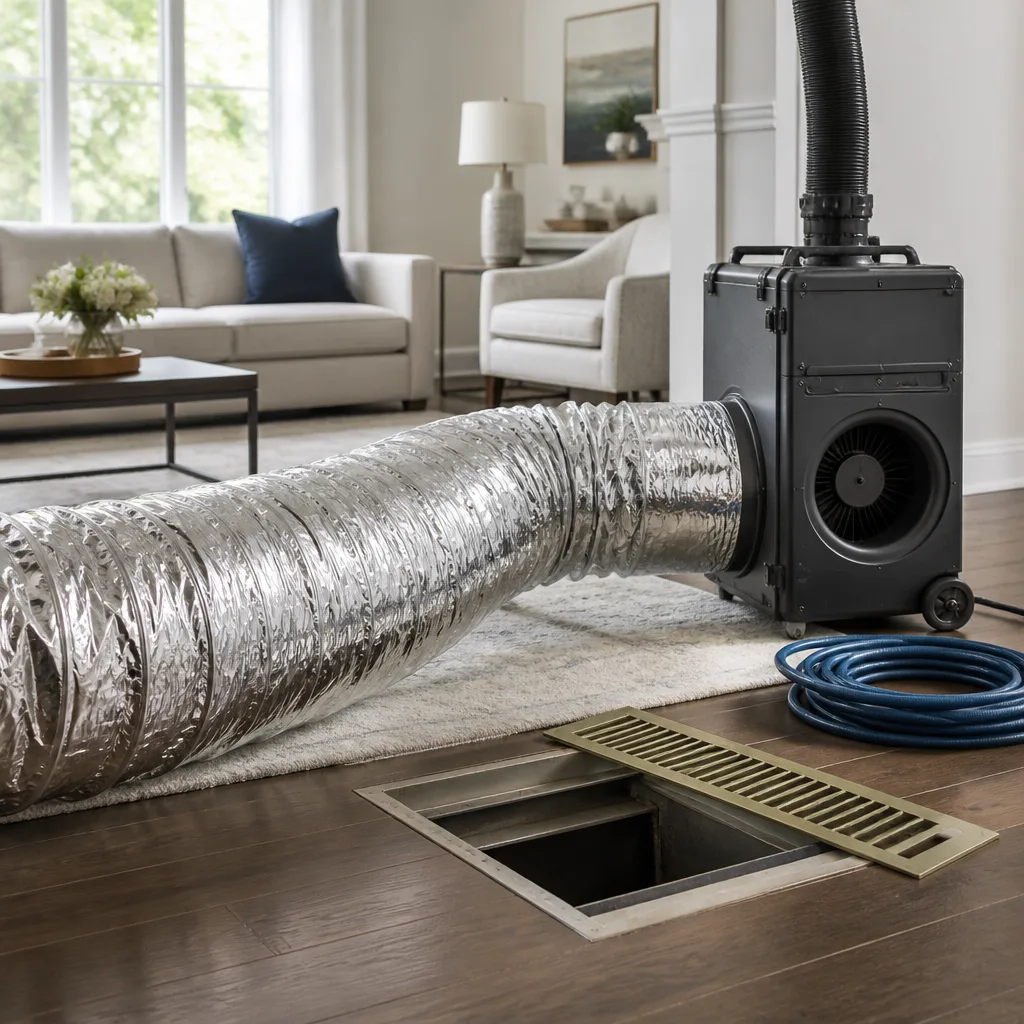 Whole-home duct cleaning
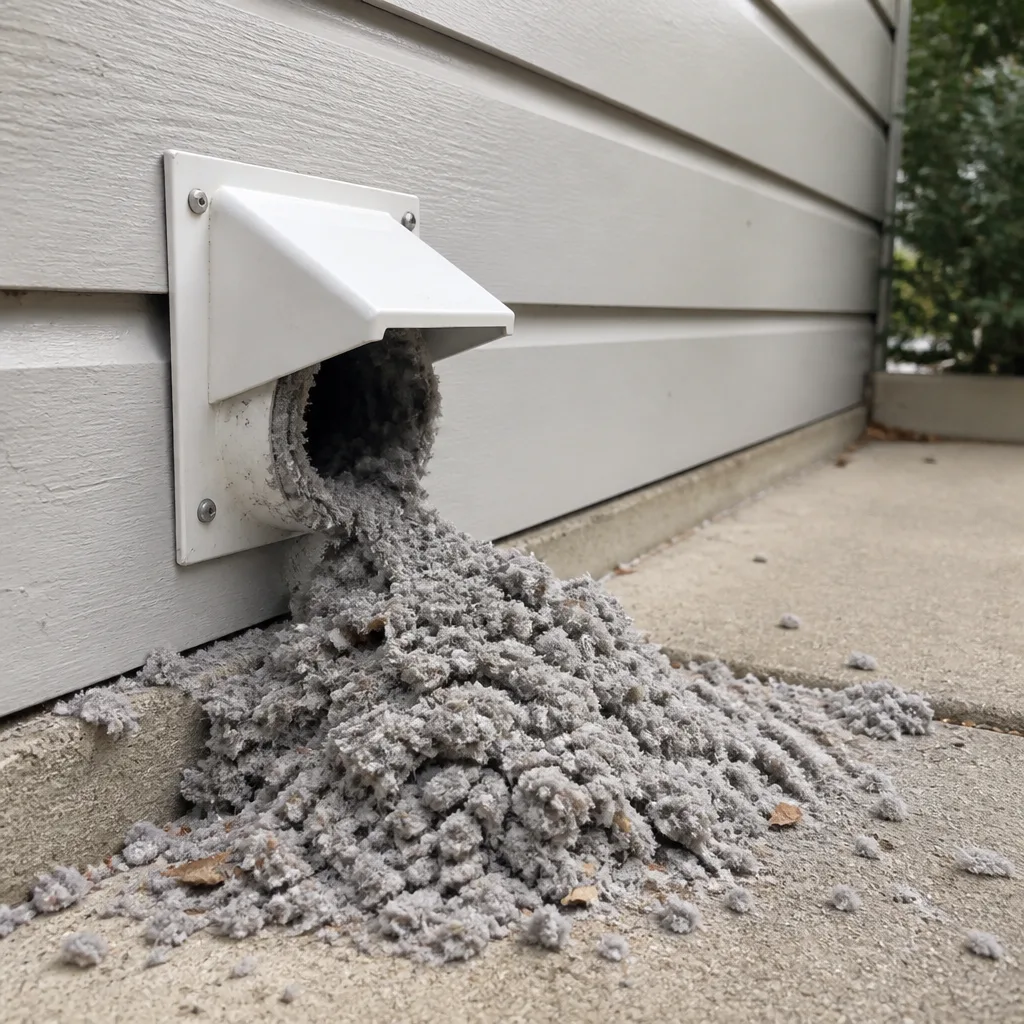 Dryer vent cleaning
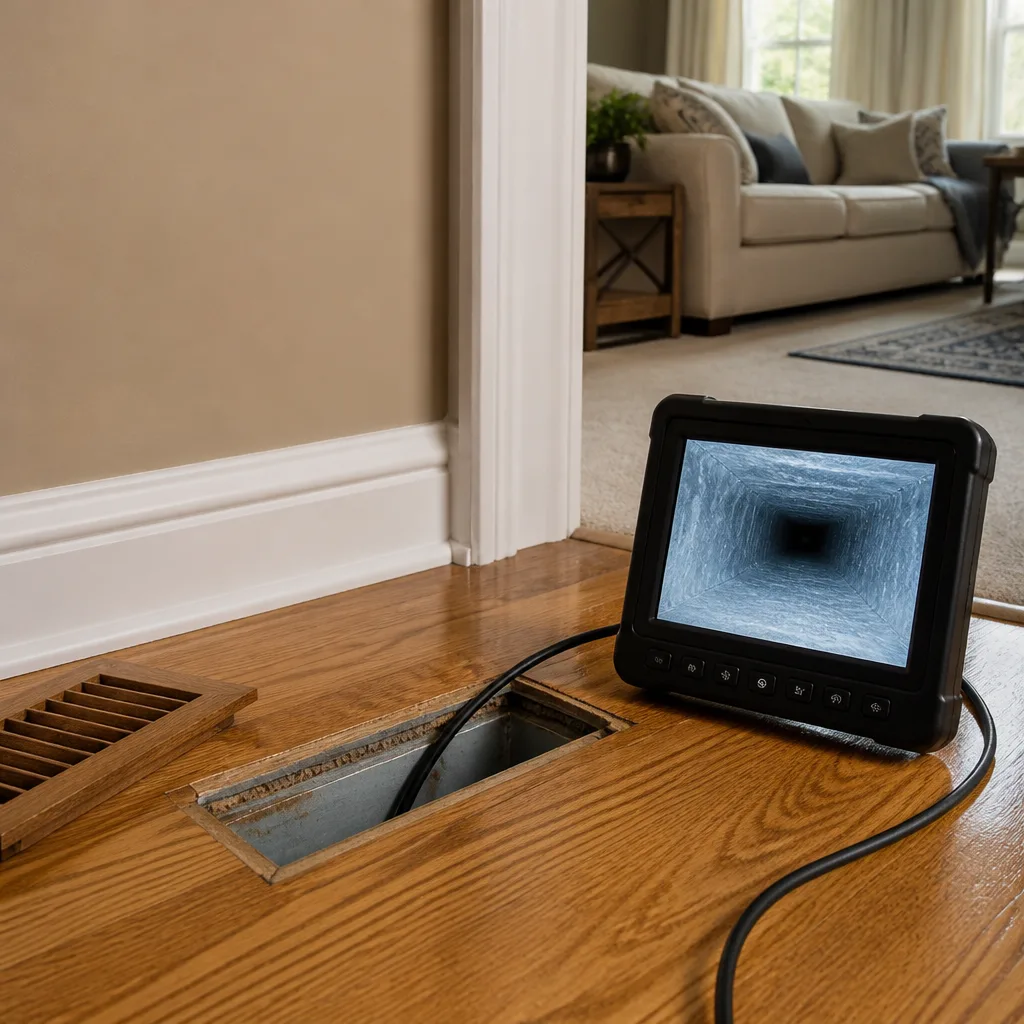 Camera inspection
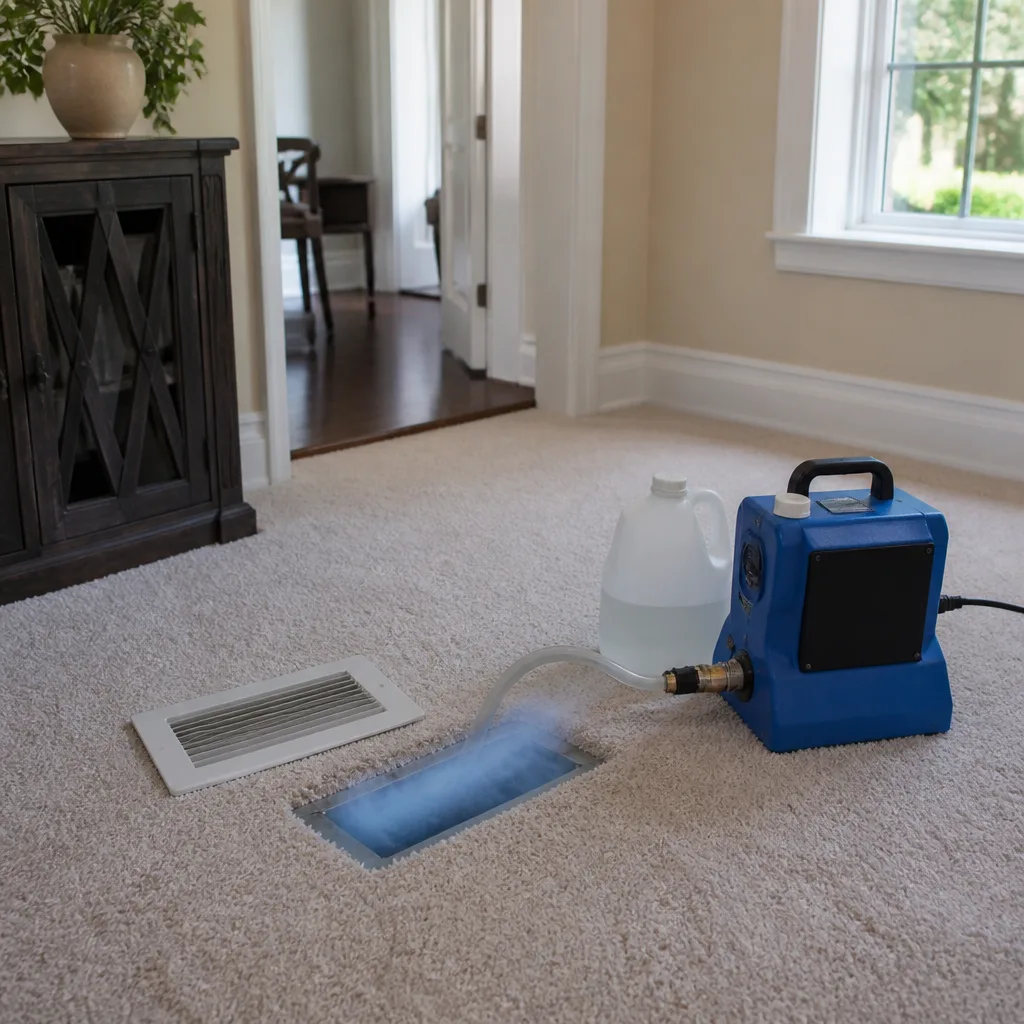 Sanitizing & deodorizing
Whole-system duct and dryer vent check with before-and-after photos - you see exactly what came out of your vents
That "$99 whole-house special" is a bait ad - the real number appears once they are in your hallway, or the "clean" is a shop-vac at the register. We photograph the inside of your ducts before and after instead.
Air Duct Cleaning Emergency Preparedness Guide for Richmond Hill Homes
Most Richmond Hill homeowners have a plan for a flooded basement and a plan for a long power outage. Almost none have a plan for the air system. When a kitchen fire, a sewage backup, or a burst supply line sends smoke or water through the ductwork, the instinct is to wipe down surfaces, open some windows, and wait for the smell to fade. It doesn’t. Smoke particulate and combustion byproducts settle inside the ducts and recirculate through every heating and cooling cycle until the whole air pathway gets a proper flush. This guide covers the four events that demand immediate duct response, what to do in the first 24 hours of each, and what to document for your insurer before the truck pulls up. Call (888) 362-5954 when you need an assessment.
Quick Answer
After a fire, sewage backup, water intrusion, or major renovation in a Richmond Hill home, the air system needs professional attention within the first day to stop contamination from spreading through the house. Shut the HVAC system off, keep the fan from running, and photograph everything before anyone cleans a surface. A standard duct cleaning visit is not enough for these events. Smoke residue and wet duct liner need specialized extraction and sanitizing, not a quick brush-and-vacuum pass.
Styles & brands we work with
- Whole-home duct cleaning
- Dryer vent cleaning
- Camera inspection
- Sanitizing & deodorizing
Table of Contents
- The Four Emergencies That Require Immediate Duct Response
- What to Do in the First 24 Hours
- The HVAC Shutdown Protocol
- How Smoke and Water Damage to Ducts Differs From Ordinary Contamination
- Richmond Hill-Specific Risk Factors
- What to Document for Your Insurance Claim
- Why Equipment Matters in an Emergency
- When to Call a Professional
The Four Emergencies That Require Immediate Duct Response
Not every dirty duct situation is an emergency. Routine buildup from years of normal living can wait for a scheduled cleaning. But four categories of event push contamination into the air system fast enough that delay causes real damage.
- Fire and smoke. Even a small kitchen fire coats the inside of ductwork with soot and combustion byproducts. Those particles are microscopic, and they stay airborne long after the visible smoke clears. Every time the heat or AC kicks on, they travel back into the rooms you just cleaned.
- Sewage backup. A sewage backup that reaches the basement or a lower-level mechanical area introduces bacteria and biological contaminants into the air pathway. If the HVAC unit or any duct run is in the affected space, the system needs professional sanitizing, not just a mop-up.
- Flood water intrusion. Water reaching duct liner or insulation is a contamination event, not a drying job. Wet fibrous liner supports mold growth and loses its structural integrity. A system that ran wet or was left damp needs inspection and often liner replacement.
- Post-renovation dust loading. Drywall dust, sawdust, and silica particulate drawn into return ducts during a renovation sit in the system and cycle back into living spaces for months. Fine particulate from sanding and demolition is a real respiratory concern, especially in homes with kids or anyone with asthma.
Each of these shares one trait: contamination enters the duct system and then keeps moving. That recirculation is what turns a manageable cleanup into a long-term air quality problem.
What to Do in the First 24 Hours
The first day after any of these events sets the ceiling on how much gets fixed. Here’s the order we recommend to Richmond Hill homeowners when they call our line.
- Stop the air movement. Switch the thermostat to OFF, not just the heat or cooling mode. Turn off the indoor blower at the breaker if you can’t confirm it’s stopped. A running system spreads contamination into every room served by the ducts within minutes.
- Photograph before you clean. Take wide shots of each affected room and close-ups of any visible soot, water line, or debris. Include the thermostat, the air handler, and any accessible duct openings. More photos than you think you need, taken before anyone wipes a surface.
- Contain the area. Close doors between the affected space and the rest of the house. If the damage is in the basement, keep the basement door shut. Plastic sheeting taped over the doorway helps limit cross-contamination for the short term.
- Don’t run fans or a shop vac. A household fan or shop vac stirs settled contaminants back into the air and pushes them further into the system. Leave settled debris alone until a technician with proper HEPA equipment arrives.
- Call your insurer and start the claim file. Open the claim the same day. Ask specifically whether HVAC system contamination is covered and what documentation they want. Save every receipt for emergency supplies.
Don’t start cleaning duct interiors yourself. Accessing ductwork to scrub or spray requires equipment that captures what it loosens. Without it, you’re moving contaminants around rather than removing them.
The HVAC Shutdown Protocol
Shutting the system down correctly is the single most important thing you can do before a professional arrives. Most homeowners know how to switch the thermostat off. Fewer know how to make sure the system is actually stopped.
- Thermostat to OFF. Not “fan only,” not heat, not cool. OFF.
- Kill the blower if it keeps running. A thermostat set to OFF still runs the blower on some systems during a cooldown cycle. If you can hear air moving, find the breaker for the air handler and switch it off.
- Close registers and grilles in unaffected rooms. This limits how much contamination travels into clean spaces.
- Don’t open windows to “air the house out” for long. A few minutes helps take the immediate smell down, but long open windows with the HVAC running pull outside air through a contaminated system. Choose one or the other: fresh air with the system off, or closed house with the system off.
What you should not do is attempt any cleanup inside the ducts while the fan might kick back on. Electrical components in an air handler don’t mix with water intrusion or DIY disassembly. This is work for someone who does it every week.
How Smoke and Water Damage to Ducts Differs From Ordinary Contamination
Routine dust buildup sits on the surface and comes off with a rotary brush and vacuum. Fire and water events don’t behave that way.
Smoke residue is acidic and oily. It bonds to metal ducts and fibrous liner rather than brushing cleanly off. The residue continues to off-gas for weeks if it isn’t chemically neutralized, which is why smoke smell returns after a “quick clean.” Ordinary duct cleaning equipment can knock surface soot loose, but only a sanitizing step stops the smell from reading as ongoing fire damage months later.
Water intrusion is a different problem. When water reaches the fibrous acoustic liner inside some duct systems, the material holds it. It stays damp, supports mold growth, and loses the shape it needs to hold air. Cleaning a wet liner isn’t a real repair. The right response is to replace what’s saturated and verify that the metal underneath is dry and clean before the system goes back into service.
That combination of tasks (extraction, sanitizing, liner evaluation) requires equipment most residential cleaners don’t carry: HEPA-rated negative-pressure vacuums, rotary brush extraction systems, and in serious cases negative air pressure containment. Our technicians work with Rotobrush rotary extraction equipment and Nikro HEPA vacuum systems, plus Abatement Technologies air quality equipment for elevated contamination situations. Our technicians have up to 14 years of experience across these kinds of events.
If your ducts are clean but your system is losing air through gaps and joints, a standalone air duct cleaning Richmond Hill visit isn’t the whole answer. Sealing is how the system stays clean after the fact.
Richmond Hill-Specific Risk Factors
Some of Richmond Hill’s housing stock makes a bad day a lot worse. Two patterns stand out.
Basement HVAC placement in flood-prone blocks
Many homes across Richmond Hill keep the air handler and much of the duct distribution in the basement. That’s efficient for heating and cooling. It’s also where water goes when a supply line fails, a sump pump stops, or heavy rain overwhelms a drain. When water reaches a basement mechanical area, it can reach the air handler and low duct runs at the same time. The order matters: shut the system down before moving water, or the blower pushes contaminated air through the whole house.
Shared duct chases in attached row homes
Richmond Hill has plenty of attached and semi-detached housing where duct chases run between neighboring units. Each home has its own system, but the chase is often a shared vertical space. In a fire, smoke can travel through those chases even if your own unit didn’t burn. After any neighboring fire, check your own ducts for smoke smell. If you can smell smoke in a room with the registers closed, that’s a signal to get the system evaluated rather than wait for it to clear.
Beyond housing, Richmond Hill homes sit in a mixed climate with humid summers and cold winters. That swing is hard on duct liner. Warm, humid air moving through a cold system in summer can create condensation on the inside of ducts. When the system has a moisture issue on top of contamination, that wet-liner problem gets worse than it would in a drier climate.
For homeowners managing an ongoing indoor air quality issue rather than a single emergency, a proper air duct cleaning visit with documentation is the useful starting point. If odor, moisture, or respiratory symptoms persist afterward, the conversation usually shifts to sealing, sanitizing, or air quality add-ons from brands like Honeywell and Aprilaire.
What to Document for Your Insurance Claim
Insurers don’t pay claims they can’t verify. Your photographs and paper trail are what turn a vague “smoke damage” claim into an approved payout. Here’s what to collect on day one.
- A full photo set before any cleanup. Wide shots of every affected room, close-ups of soot or water lines, the air handler, the thermostat, and any opened ducts.
- A short video walkthrough. Ten minutes of walking through the house narrating what you see is surprisingly effective. Insurers respond to timeline evidence.
- The fire, flood, or backup report. Fire department incident number, water mitigation company paperwork, or plumber’s note explaining the cause.
- Your HVAC maintenance records. Last service dates, filter change receipts, any prior repairs. A well-maintained system is a stronger claim than an undocumented one.
- A written estimate from a duct cleaning company. A diagnosis in writing carries more weight than a phone quote. Ask for the scope in writing: which systems, which rooms, what’s being extracted versus replaced.
- Before-and-after photos from the cleaning itself. A professional job documents the process. Before-and-after photos of your own ducts are your proof the work was actually done.
One more thing: read your policy for how HVAC contamination is treated. Some policies cover it under the “smoke damage” or “water damage” language. Others treat ducts as part of the building structure. Knowing which section applies before you call saves weeks.
Why Equipment Matters in an Emergency
The gap between a good duct cleaning company and a low-cost competitor is wider than it looks in a coupon ad. Standard portable vacuums are fine for light dust. They fail at real emergency contamination.
- HEPA extraction with negative pressure. When a system has soot, mold, or fine renovation dust, the cleaning equipment has to capture particles as they’re released. Nikro HEPA vacuums are built for that, and combining them with containment prevents cross-contamination in adjacent rooms.
- Rotary brush extraction. Surface soot and compacted debris respond to mechanical brush action. Rotobrush systems reach duct interiors that hand brushes can’t, without damaging seams.
- Containment for serious scenarios. Fire and mold-adjacent remediation requires airflow management to keep contamination from spilling into occupied space. Abatement Technologies equipment is what that class of work calls for.
The other piece is accountability across the whole job. What makes an emergency response useful isn’t just a cleaning pass. It’s the ability to clean, repair, seal, and sanitize the full air pathway in one coordinated effort, from HVAC unit to vent grille, without handoffs. That’s the scope we work with: HVAC cleaning, duct cleaning, repair, and sanitizing handled together. When the post-emergency work involves upgrading filtration or air treatment, being compatible with Honeywell and Aprilaire systems means we can add that step inside the same service, not as a separate appointment.
There’s a fire safety angle many homeowners overlook during a duct-focused emergency. A dryer vent is a duct system too, and lint buildup inside it is a documented fire risk. If your ducts are getting a full inspection, the dryer vent deserves one at the same time. Our dryer vent cleaning service exists because that side of air system health is genuinely part of the job, not a separate upsell.
Common Mistakes to Avoid
- Running the HVAC to “clear the smell.” That’s the opposite of what you should do. Every cycle pushes contaminated air back into the house and into freshly cleaned rooms.
- Cleaning surfaces before documenting. Wiping soot off the counter before you have a photo of it undercuts your insurance claim. Photograph first, clean second.
- Assuming a standard service visit handles post-fire contamination. Surface dust cleaning rarely touches smoke residue. Ask specifically whether the company uses HEPA extraction and sanitizing steps.
- Choosing on price for remediation work. A low quote that lacks the equipment to contain and extract contamination isn’t a cheaper version of the same job. It’s a different, inadequate job. The written estimate should spell out what’s extracted, what’s cleaned, and what’s replaced.
- Ignoring a wet duct liner because the metal looks dry. The fiber lining inside some ducts holds moisture well after the metal surface dries. If it’s been wet, get it evaluated before reopening the system.
- Forgetting adjacent duct chases in row-home situations. If the fire was next door, check your own system for smoke smell. A neighbor’s fire can contaminate your system through shared structural chases.
- Putting off the dryer vent. Lint is the other fire risk in the house. If the ducts are getting a full inspection after fire, flood, or renovation, the dryer vent gets one too. Every system in the air pathway counts.
See the difference
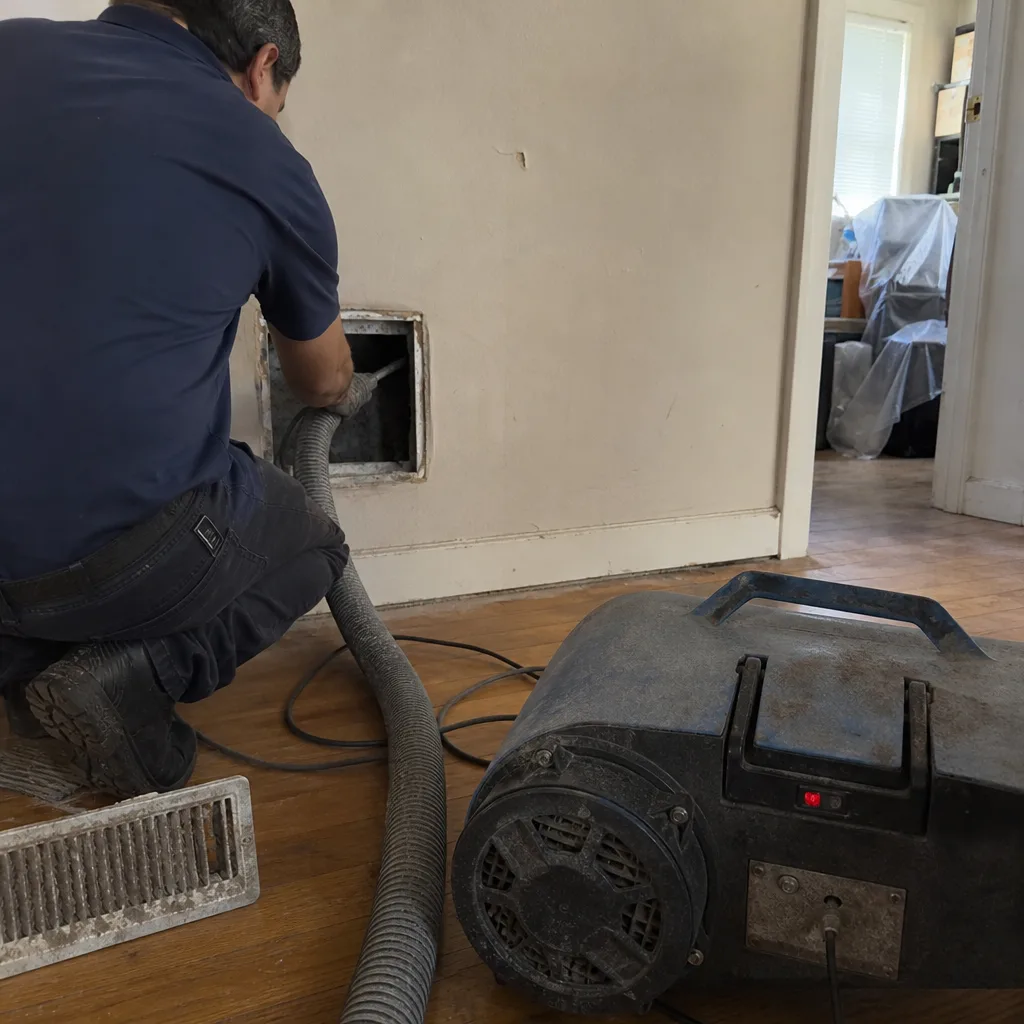 Before
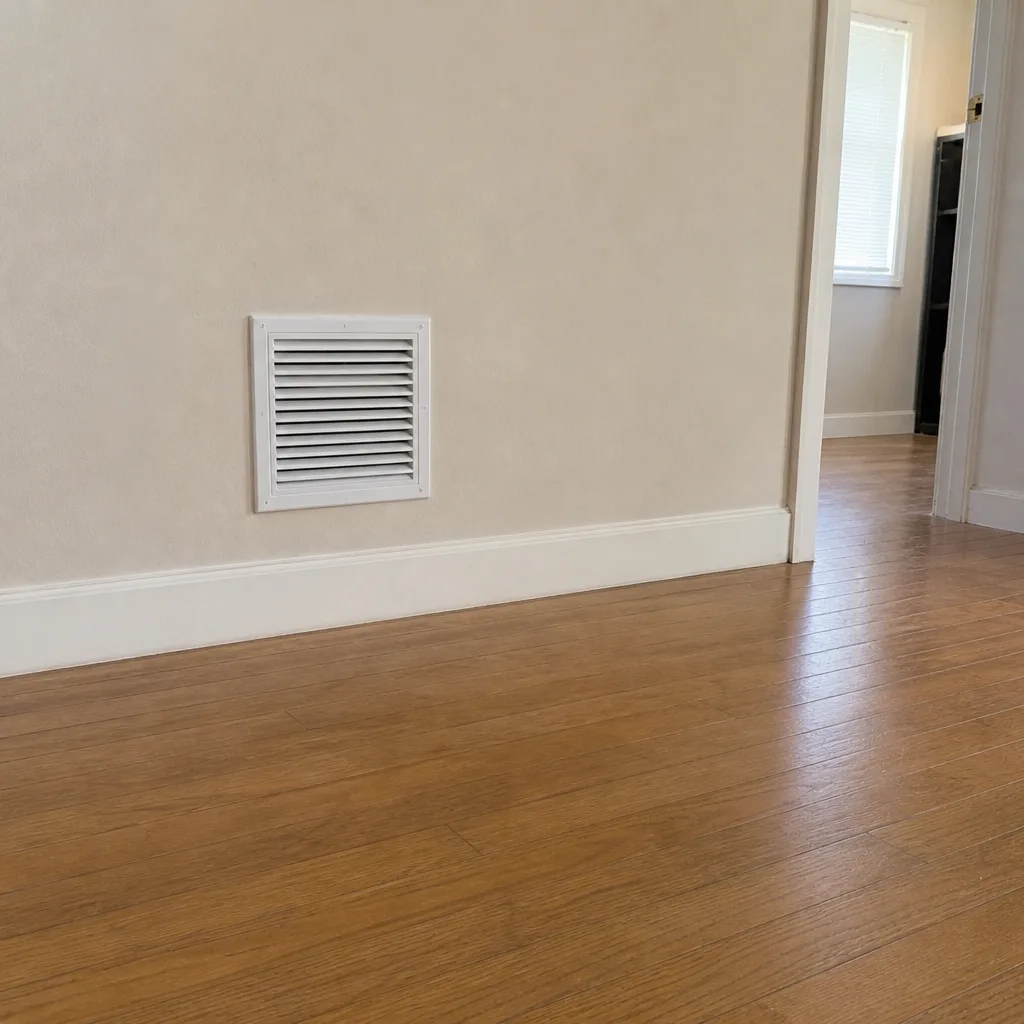 After
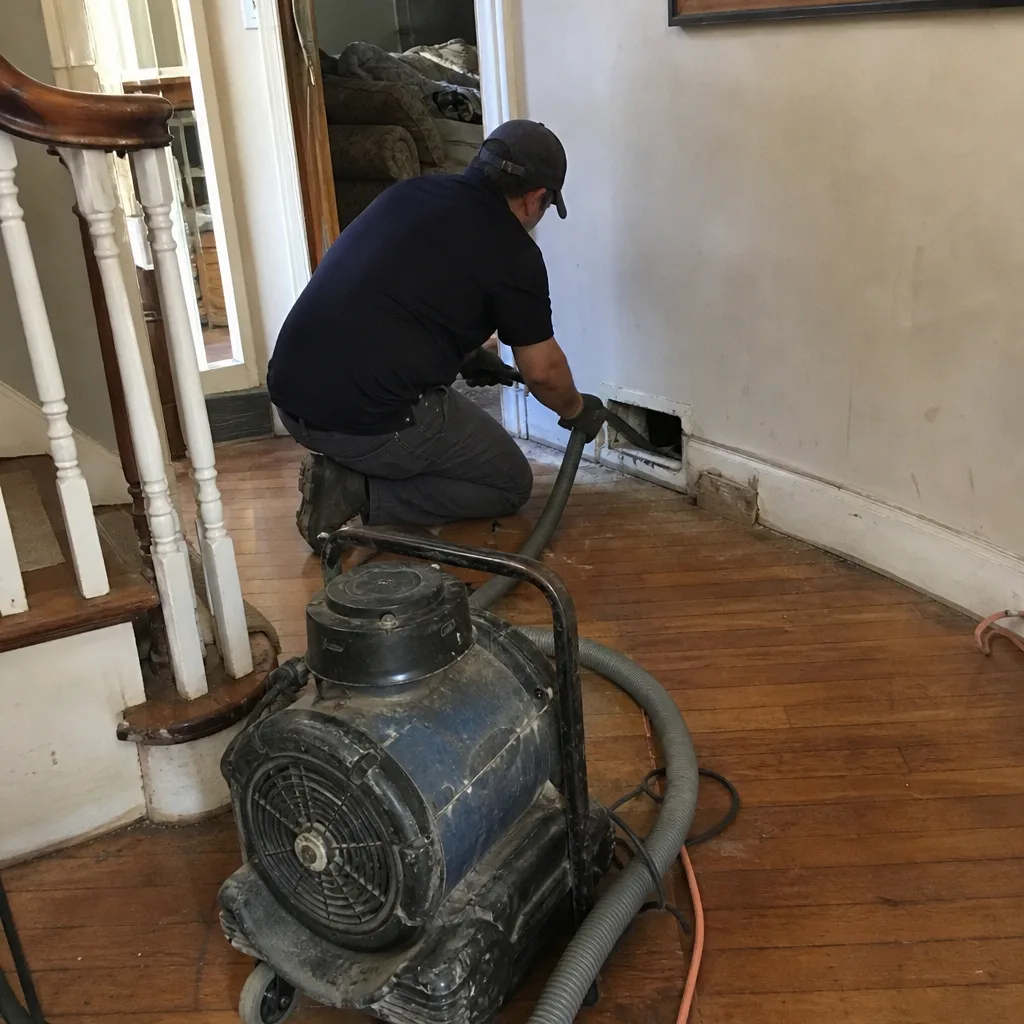 Before
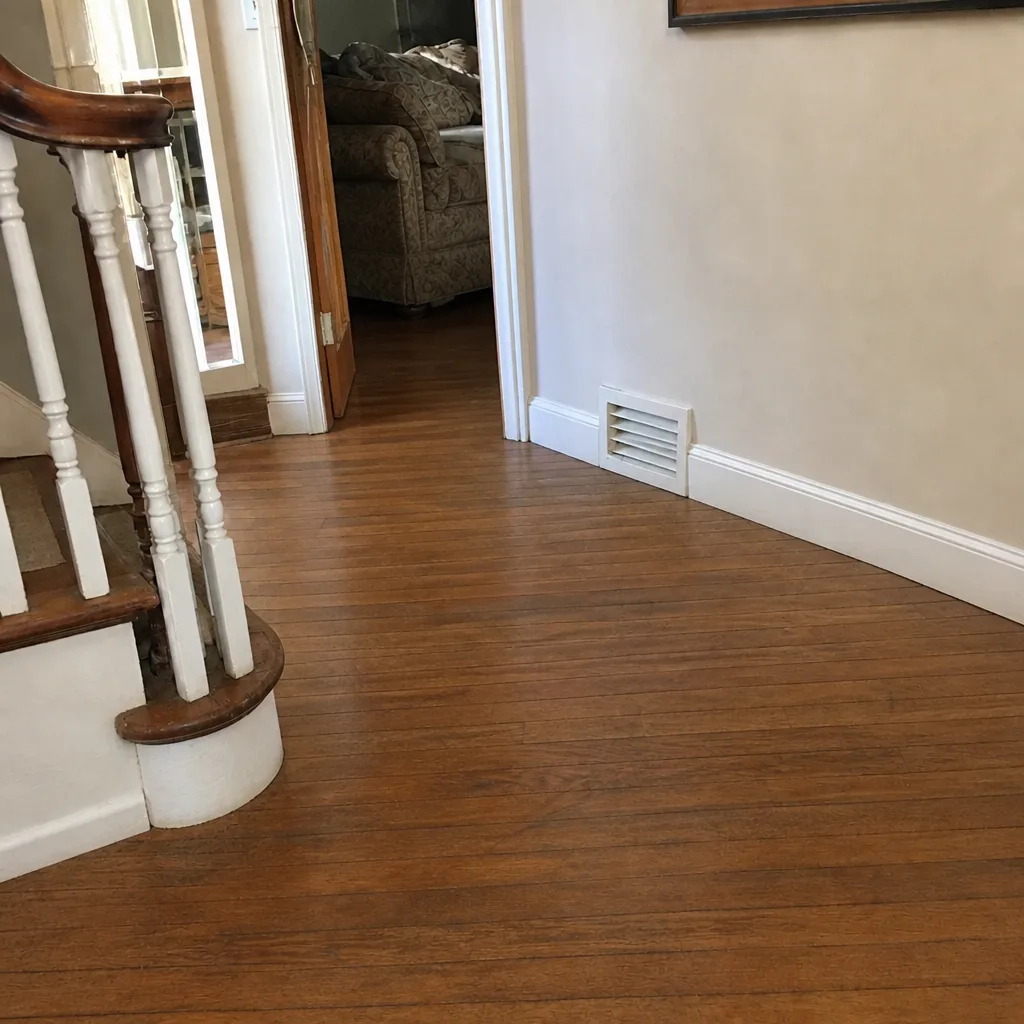 After
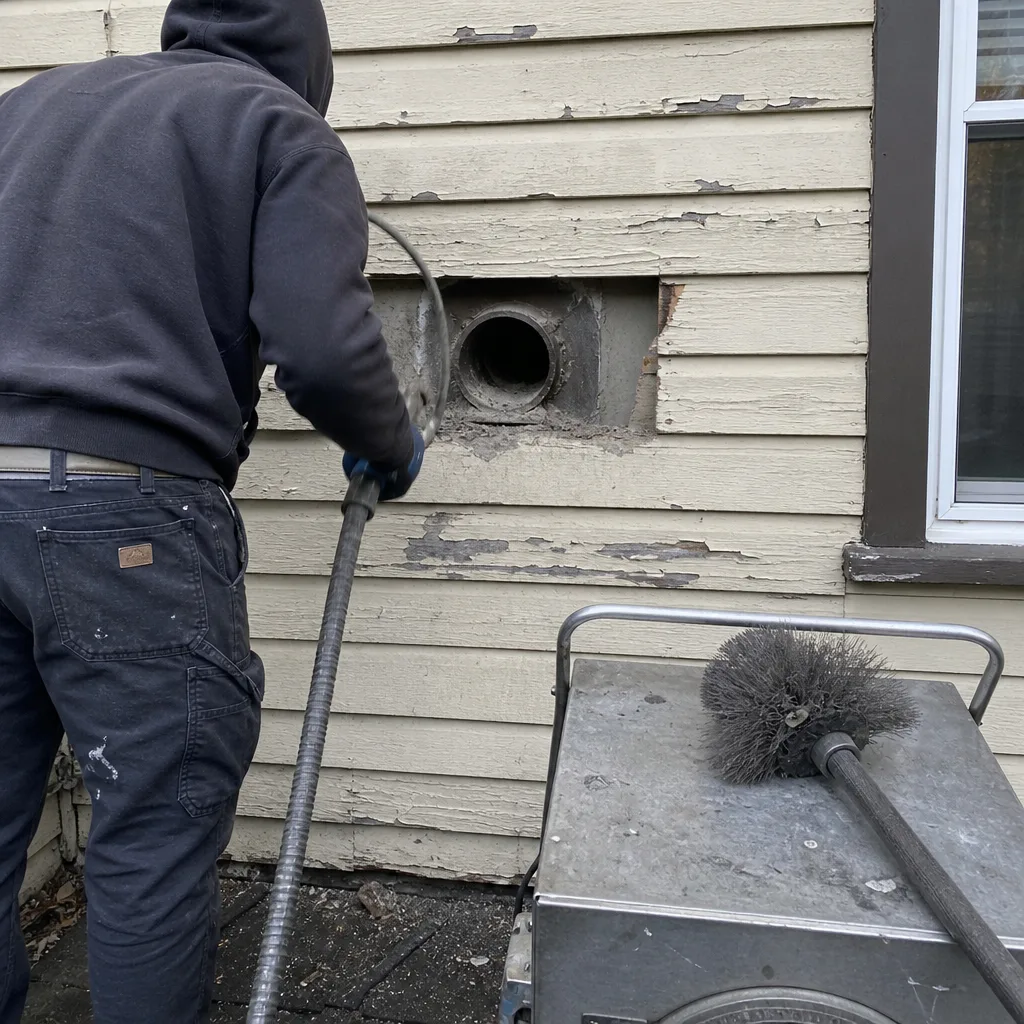 Before
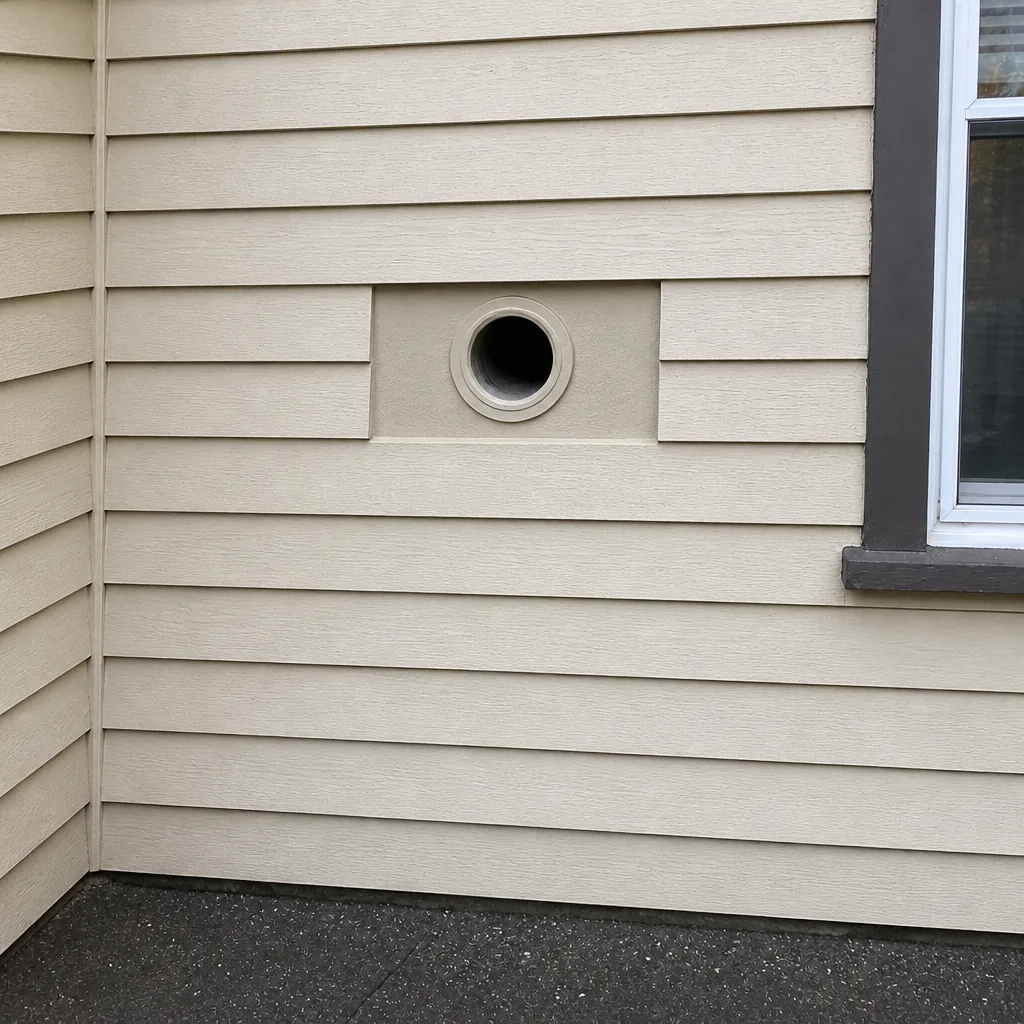 After
When to Call a Professional
Call a professional duct cleaning company within 24 hours of any fire, sewage backup, water intrusion reaching the air handler, or renovation involving drywall sanding or heavy demo that drew particulate into the system. Call sooner if you smell smoke or sewage anywhere in the house with the HVAC running. Don’t attempt to clean duct interiors yourself, and don’t reopen a system that got wet without confirming it’s dry and clear. Air Duct Cleaning Richmond Hill offers free estimates in Richmond Hill. Call (888) 362-5954. We answer 24/7. Fast dispatch from 7am to 7pm, Sunday through Friday.
Frequently Asked Questions
Post-emergency duct cleaning in Richmond Hill typically runs higher than a routine cleaning because smoke and water remediation involve extraction, sanitizing, and sometimes liner replacement. We set a flat price per system, agreed before work starts, based on the written estimate. Call (888) 362-5954 and we’ll walk through the scope and pricing with you.
No. Running the HVAC after a fire spreads soot and combustion byproducts through every room served by the ducts and deposits them into the air you’re breathing. Switch the thermostat to OFF, turn off the blower at the breaker if you can hear air moving, and wait for professional extraction.
Within the first 24 hours if possible. The sooner residual smoke is extracted, the less soot bonds to duct surfaces and the easier the sanitizing step becomes. Delay also increases the odds that the residue off-gasses in the house for weeks.
Often, but the scope of coverage depends on your policy. Many homeowners policies treat duct contamination as part of smoke or water damage, and some include duct cleaning as part of the mitigation. Photograph everything before cleanup, keep receipts, and get a written estimate from a duct cleaning company to submit with the claim.
Contamination rarely stays local once the system has run. Even one cycle pushes smoke, soot, or biological contaminants into every duct branch. The right approach is to inspect the whole system rather than just the visible affected space. In attached row homes, also check for smoke smell from neighboring units that might travel through shared duct chases.
A low quote usually means less equipment and less scope, not a better deal. Emergency remediation requires HEPA extraction, containment, and sanitizing. If the quote doesn’t specify those steps in writing, it’s a lighter job than what your home needs after a fire or flood. Call (888) 362-5954 for an honest estimate with the scope documented.
The Bottom Line
A fire, sewage backup, water intrusion, or major renovation leaves contamination in the ductwork that doesn’t clear on its own. The list is short: stop the HVAC, photograph everything, contain the area, call your insurer, and get a professional out within 24 hours. Richmond Hill’s basement HVAC placements and shared duct chases in attached housing make the situation worse when these steps are skipped. Emergency duct work isn’t a standard cleaning visit. It’s extraction, sanitizing, and often repair to close the pathways that let contamination back in. If you’ve had one of these events, act on the first day. Call (888) 362-5954 for a free estimate. We answer 24/7. Fast dispatch from 7am to 7pm, Sunday through Friday. The price is set per system by the written estimate, so you know the number before work starts.
Written by the team at Air Duct Cleaning Richmond Hill.