
Last updated November 22, 2026
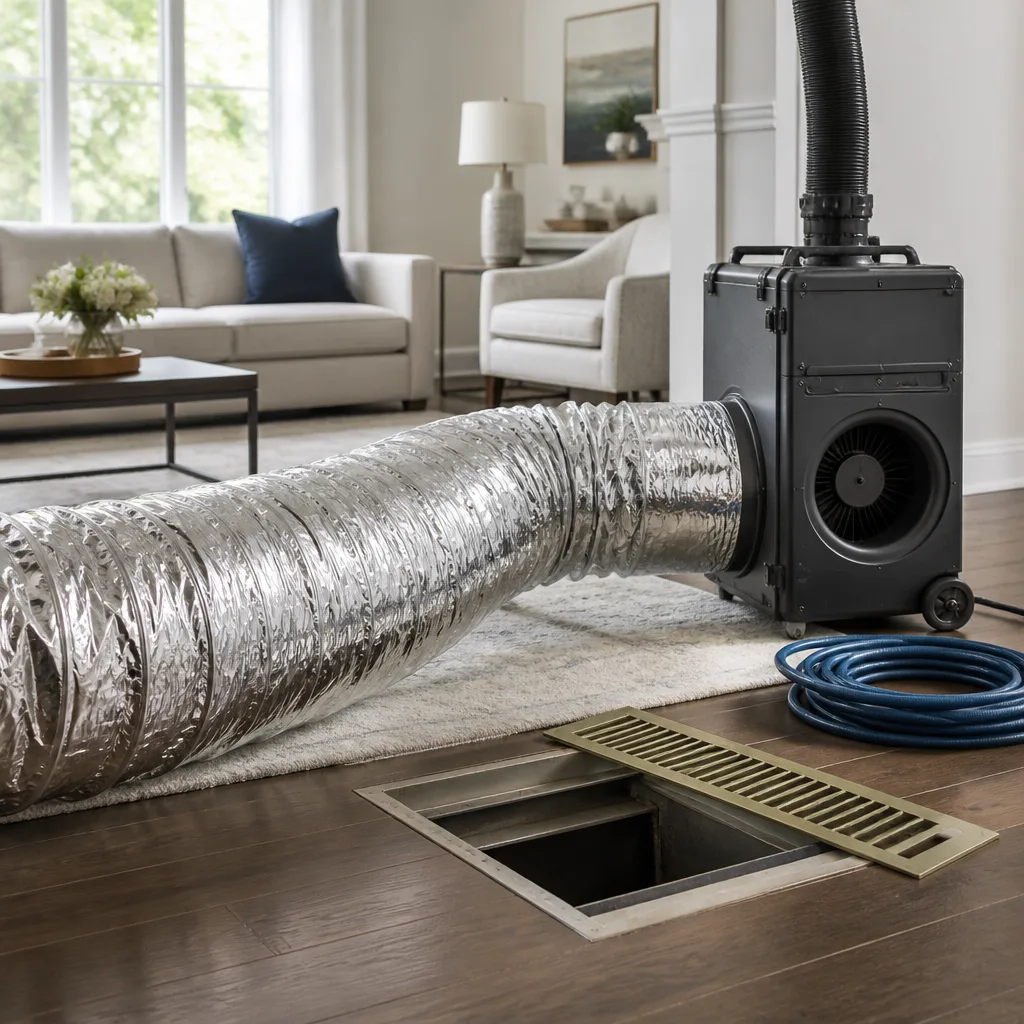 Whole-home duct cleaning
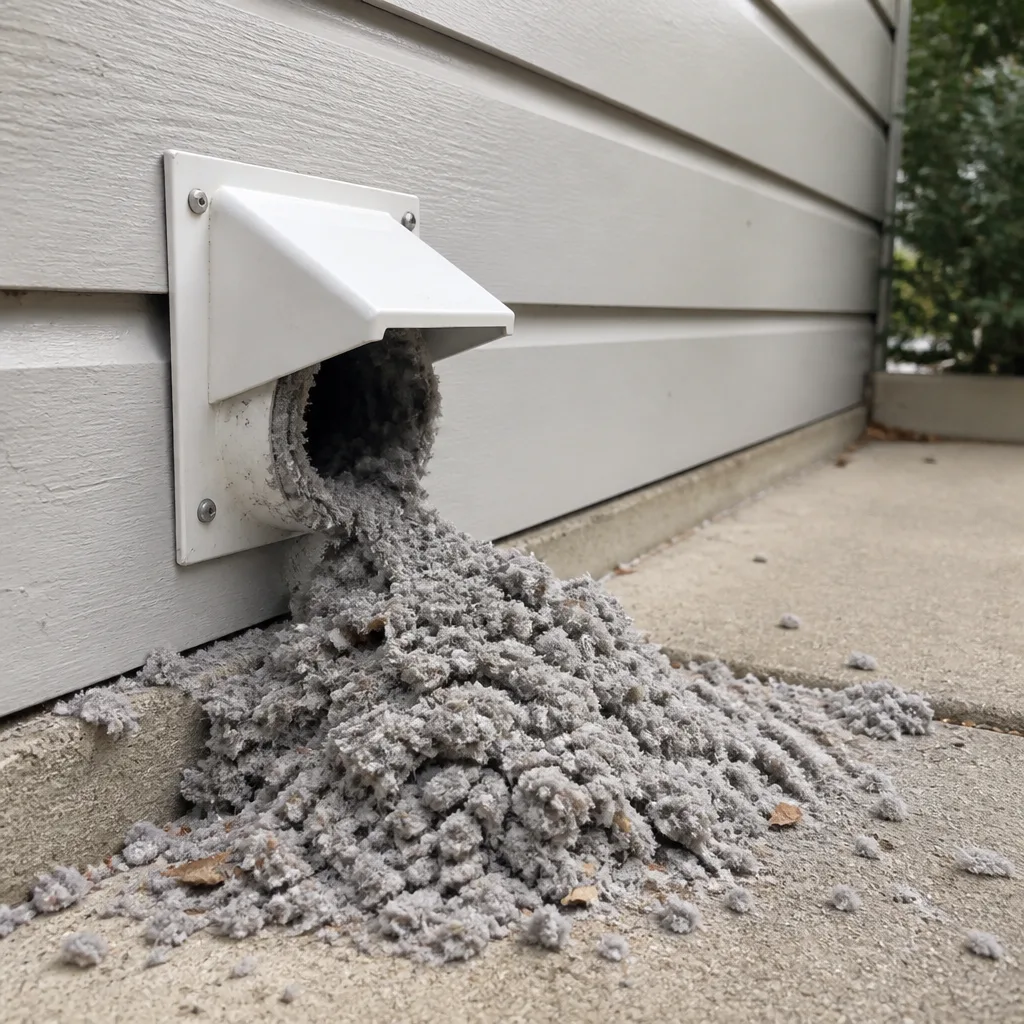 Dryer vent cleaning
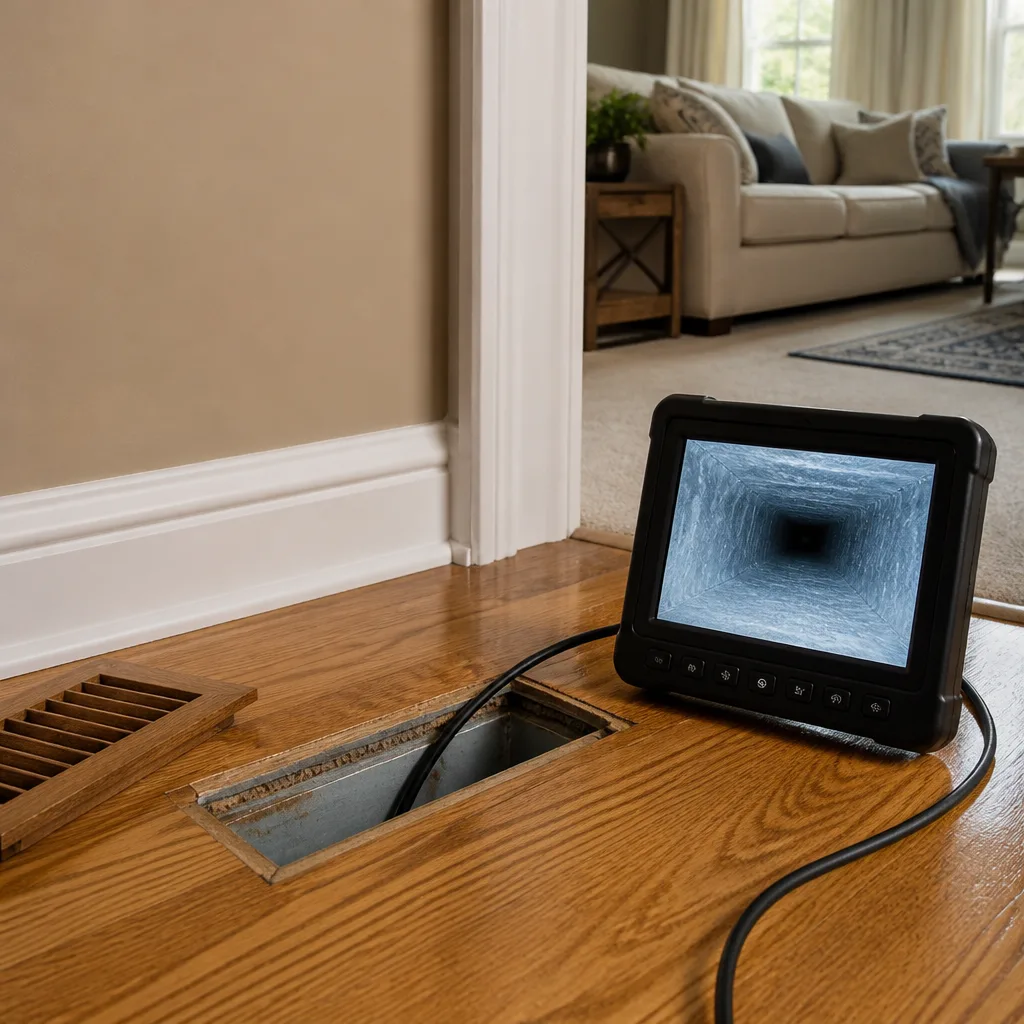 Camera inspection
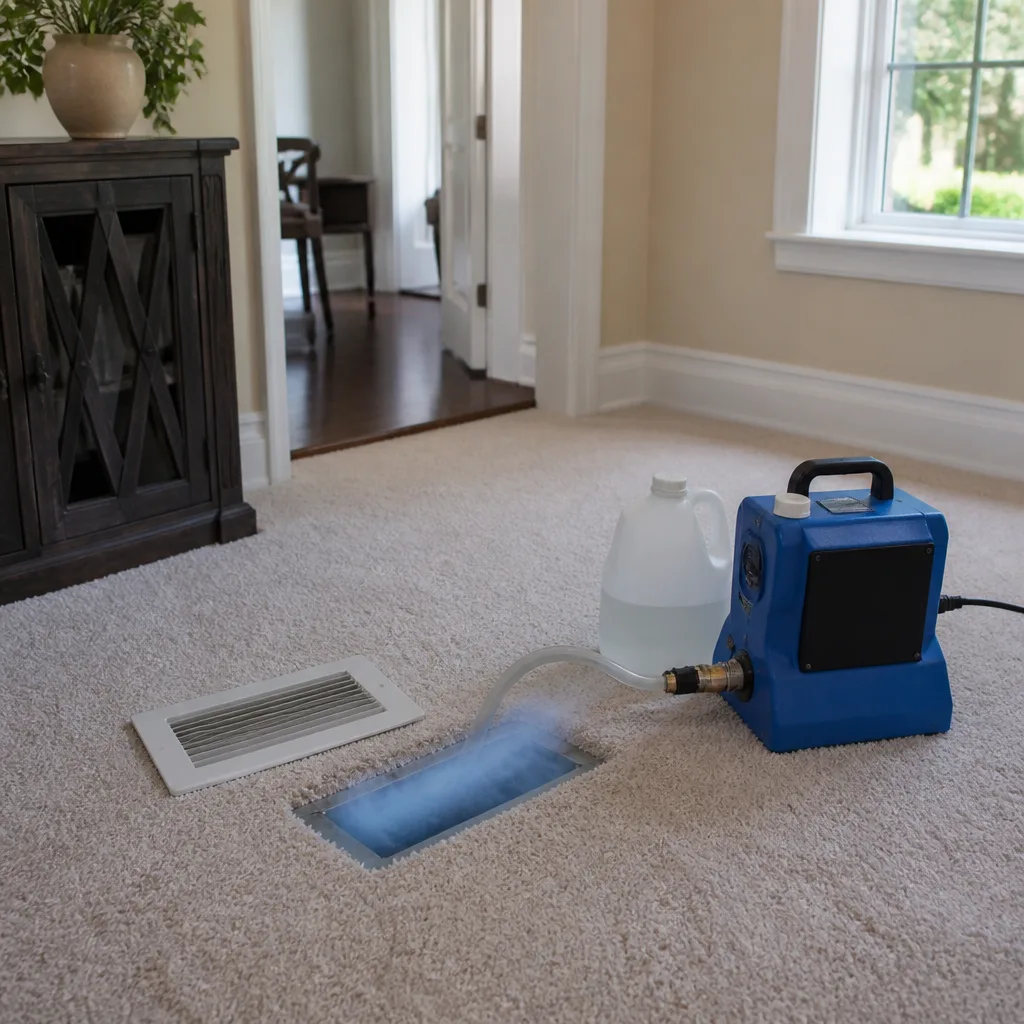 Sanitizing & deodorizing
Whole-system duct and dryer vent check with before-and-after photos - you see exactly what came out of your vents
That "$99 whole-house special" is a bait ad - the real number appears once they are in your hallway, or the "clean" is a shop-vac at the register. We photograph the inside of your ducts before and after instead.
The Complete Guide to Air Duct Cleaning in Richmond Hill
If the vent grille in your hallway looks spotless, the duct behind it can still hold years of compacted debris. That single gap in perception is why so many Richmond Hill homeowners clean the wrong thing, or clean the right thing incompletely. The visible metal face you can wipe with a cloth is the last six inches of a system that runs the length of your house. When a crew works only what it can see from the register, the debris that actually matters sits six feet back, untouched, waiting for the fan to stir it loose again.
That’s why we’ve built this guide around a different idea: a duct isn’t a single pipe you clean once, it’s a full air pathway that has to be audited, cleaned, repaired, sealed, and sanitized as one system. By the end, you’ll know what a real inspection documents, how to tell source removal from a surface wipe, and why sealing often decides whether the improvement survives past one season.
Quick Answer
Air duct cleaning in Richmond Hill is the process of removing accumulated dust, debris, and biological buildup from every part of your air pathway, not just the visible grilles, using negative-pressure containment and rotary brush extraction so dislodged material is captured rather than scattered. A complete job touches the HVAC cabinet, the supply and return trunk lines, the branch runs, the registers, and the coil and blower area, and is followed by sealing where leaks are found. Whole-system cleaning is priced per job by a written estimate, and the written estimate sets the final price.
Styles & brands we work with
- Whole-home duct cleaning
- Dryer vent cleaning
- Camera inspection
- Sanitizing & deodorizing
Table of Contents
- Why Richmond Hill’s Housing Stock Creates Its Own Contamination Patterns
- Source Removal vs. Surface Cleaning: How to Tell What You Actually Got
- What a Full System Inspection Should Document Before Cleaning Starts
- The HVAC Cabinet Problem: Why Dirty Coils Recontaminate Clean Ducts
- Duct Sealing After Cleaning: What Makes the Improvement Last
- The Equipment That Separates a Real Job From a Shop-Vac Job
- The Step-by-Step Process of a Complete Duct Cleaning
- Dryer Vent Cleaning: The Fire-Safety Piece Most Cleaners Skip
Why Richmond Hill’s Housing Stock Creates Its Own Contamination Patterns
Richmond Hill is not a subdivision of identical new builds. It’s a dense, layered neighborhood where pre-war frame houses, mid-century brick homes, and multi-unit conversions sit on the same block. That mix produces contamination patterns you won’t find the same way in a sprawling suburb, and it’s the reason a generic cleaning method often misses the mark here.
The first factor is density. When homes sit close together and share the same corridor of air, recirculated dust and exterior particulate matter have fewer places to disperse. In tightly packed blocks, the air your system pulls in carries a concentration of fine particulate that gets trapped inside the duct lining and re-released with every fan cycle. Homes that sit shoulder to shoulder tend to see faster re-soiling than isolated houses.
The second factor is building age and renovation history. Older Richmond Hill homes have often been through multiple decades of upgrades, additions, and partial re-dos. Duct systems get extended, joined, and rerouted to serve new rooms, and each junction is a potential leak. Seams that were taped decades ago give way; flex runs get spliced. That kind of patchwork leaks air into wall cavities and unconditioned space, which pulls in dust and humidity.
The third factor is the frequency of conversions and multi-family layouts. In a building where one unit was carved out of another, return air paths may not have been rebalanced. A system designed for one return now serves two units, and static pressure climbs. When static pressure is high, the fan struggles, airflow is uneven, and dust deposits in the very runs that see the least pull.
What this means for a Richmond Hill homeowner:
- Your contamination profile is likely shaped by renovation history, not just routine dust.
- Uneven airflow from room to room is often a sign of a leak or a misbalanced return, not just a dirty filter.
- Multi-unit and converted layouts need a return-path check, not just a supply-side cleaning.
- A musty smell after a humid stretch points toward moisture or biological growth somewhere in the pathway.
Rather than treat Richmond Hill homes as interchangeable, a proper Air Duct Cleaning Richmond Hill approach starts by understanding what kind of construction the system runs through, then working to that reality.
Source Removal vs. Surface Cleaning: How to Tell What You Actually Got
A surface cleaning wipes the grille and vacuums a foot or two of the branch behind it. Source removal is the different thing entirely: it’s extracting the accumulated material from the interior surfaces of the entire system, using mechanical agitation to break the debris loose and negative pressure to pull it out. The two look similar for the first ten minutes. They end very differently.
Here’s the core of it. Dust, lint, and biological material bind to duct interiors as a sticky film. Running a shop vacuum over the surface lifts the loose top layer and leaves the bonded layer in place. Because the fan keeps cycling, that leftover film keeps seeding the air. A source-removal job instead uses rotary agitation to scour the interior walls and a HEPA-rated negative-pressure vacuum to hold the whole length of duct under vacuum while it works, so what breaks loose gets captured, not blown into the room.
How to tell which one you actually received:
- Was the whole run cleaned, or only the reachable end? Ask how far back the equipment reached on the longest trunk line. A source-removal job can describe the full length; a surface job stops where the hose stops.
- Did they use rotary agitation? Mechanical scouring is the only reliable way to break bonded debris. A pass with a vacuum nozzle alone is a surface job.
- Was the system under negative pressure the whole time? That’s what prevents cross-contamination into living space. If nobody set up containment, debris was redistributed.
- Were you shown before-and-after photos of your own ducts? A real job produces documentation of your runs, not a generic brochure image.
- Did they touch the coil and blower? If the cabinet was skipped, the job is incomplete no matter how clean the branch runs look.
The practical lesson: don’t judge a duct cleaning by the grille. Judge it by how the contractor explains the method before starting, and by whether they document the interior of your system after finishing. For a source-removal clean done right, your air duct cleaning starts with that audit, not with a brush.
What a Full System Inspection Should Document Before Cleaning Starts
A real duct cleaning begins before any equipment is turned on. An inspection that ignores static pressure and return-path behavior is guessing at your system’s health, and guessing leads to cleaning the wrong runs. A proper inspection documents how the system is behaving under load.
In our experience, most complaints (“the upstairs never cools,” “the basement smells musty,” “one room is always cold”) trace back to something an intake inspection would have caught. So what should be measured and written down?
- Static pressure readings across the system, to show how hard the fan is working and whether the duct runs are undersized or restricted.
- Return-air path, including where each return draws from and whether the path is blocked, undersized, or unbalanced to the supply side.
- Visual condition of each run, including the branch lines, the trunks, and the connections behind grilles.
- Leak mapping, noting where seams, joints, and flex connections are losing air.
- Coil and blower condition, with a note on buildup and any sign of moisture or biological growth.
- Filter condition and filter fit, including bypass around the filter frame, which lets unfiltered air past the media.
- Any sign of moisture or condensation in the pathway, since wet ducts need drying as well as cleaning.
That documentation is your baseline. It tells you what the cleaning should accomplish, and it lets you compare before and after. A contractor who skips static pressure and return-path analysis is cleaning by feel. A contractor who documents them is cleaning to a measurable target.
If you want a starting point for your own walk-through, a whole-system inspection pairs well with a proper HVAC cleaning, because the cabinet, coil, and blower state directly affects how the ducts behave after cleaning.
The HVAC Cabinet Problem: Why Dirty Coils Recontaminate Clean Ducts
Here’s the part that quietly undoes a lot of duct cleaning work: a clean duct running into a dirty air handler is a clean supply line feeding a dirty source. The HVAC cabinet holds the evaporator coil, the blower wheel, and the drain pan, and each of these collects dust, lint, and moisture. If they aren’t addressed, the next heating or cooling cycle pulls air past the buildup and pushes it back down your freshly cleaned runs. The air quality improvement is gone before the season ends.
The coil is the biggest offender. Its fins are packed tight to encourage heat transfer, and that geometry is a filter. When the coil loads with dust, not only does it shed particulate into the airstream, it also raises resistance and hurts efficiency. The blower wheel collects a mat of debris that throws off balance and reduces airflow. And the drain pan, if it holds standing water or biological film, becomes a reservoir that contaminates the whole pathway.
That’s why whole-system cleaning treats the air handler as part of the duct system, not as a separate appliance. If a contractor cleans the ducts but leaves a loaded coil and sludgy drain pan, that’s a one-step job pretending to be a complete service. The complete approach addresses the cabinet first, or at least in the same visit, so what’s downstream stays clean once it’s clean.
It also connects to one of the reasons we handle more than ducts. When we take on hvac cleaning, the cabinet, coil, blower, and drain pan are on the same scope as the duct network, so there’s no gap where a dirty component can seed recontamination. From the air handler to the last vent grille, the job is one continuous pathway.
Duct Sealing After Cleaning: What Makes the Improvement Last
Cleaning without sealing is a temporary fix. Loose seams, disconnected collars, and aging flex joints leak air into wall cavities and unconditioned space, and every leak draws in dust and humidity. Within a season, the same runs that were cleaned are re-soiled, this time from a different source. Sealing is what turns a good cleaning into an improvement you can feel and measure.
The logic is simple. A leaky return line doesn’t just waste energy, it pulls dust from the attic, the crawl space, or between the floors into your supply air. A leaky supply line dumps conditioned air and pushes pollution back into the path. When you seal those leaks, two things happen at once: the system loses less air, and it draws less contamination. That’s why duct sealing deserves to be treated as its own service, not a footnote.
Signs your runs likely need sealing:
- Rooms that are hard to heat or cool while others are fine.
- Dust reappearing on surfaces soon after cleaning.
- Whistling or rushing sounds at joints and grilles.
- Higher-than-expected energy use relative to the system’s design.
- Visible gaps or separated tape where you can access the joints.
Sealing is a job for a trained technician, because a poor seal can create pressure where the system doesn’t want it. A proper job maps the leaks during inspection, then seals joints and connections in a way that improves delivery and reduces dust intrusion. If you notice the energy bill creeping up alongside dusty surfaces, a comprehensive duct cleaning and seal in the same visit is often what resets the system. For a company that treats the full pathway as one scope, you’d want the air duct cleaning Richmond Hill inspection to include a seal check.
The Equipment That Separates a Real Job From a Shop-Vac Job
Equipment is the single most objective way to tell whether a duct cleaning will actually remove contamination. You don’t have to take a contractor’s word for it. You can’t fake thermal performance, and you can’t fake the difference between a portable vacuum and a truck-class, HEPA-rated extraction setup. The tools determine the outcome.
A serious job uses two categories of equipment in combination. The first is rotary brush extraction, which scours the interior wall of the duct mechanically, breaking bonded debris loose so it can be pulled out. The second is negative-pressure HEPA extraction, which holds the length of the system under vacuum and captures the particles that get dislodged. Rotary brushes from Rotobrush and HEPA-rated negative-pressure vacuums from Nikro are the industry-standard examples. A crew that shows up with a shop vacuum and no containment is doing a different kind of job.
Here’s what the professional setup lets a crew handle:
- Bonded debris that a vacuum alone can’t lift.
- Long trunk runs that a short hose can’t reach.
- Containment so dislodged material doesn’t escape into living space.
- Elevated contamination such as biological growth, where higher-grade air quality equipment and containment matter.
- Post-cleaning upgrades, like air quality add-ons, done in the same visit.
For serious contamination scenarios, capabilities extend beyond basic cleaning. Abatement Technologies equipment supports negative air pressure containment and mold-adjacent remediation, the kind of setup that keeps a contaminated job contained. And after cleaning, air quality upgrades compatible with Honeywell and Aprilaire systems let a homeowner address filtration and humidity in the same call rather than as a separate project. Industrial-grade equipment, residential care: that’s the standard.
The Step-by-Step Process of a Complete Duct Cleaning
What does whole-system cleaning actually look like, in order? An honest job follows a sequence that treats the pathway as one continuous system. No shortcuts, no “clean what’s visible and leave.” Here’s the process, from preparation to verification.
- Pre-inspection and documentation. Record static pressure, return-path behavior, run condition, leaks, and the state of the coil, blower, and filter. This is the baseline.
- Containment setup. Place negative-pressure equipment so the system is held under vacuum while work happens, keeping dislodged particles out of the living space.
- Air handler and cabinet cleaning. Clean the evaporator coil, blower wheel, and drain pan, addressing the source that would otherwise recontaminate the ducts.
- Rotary brush extraction. Mechanically scour the supply and return trunks and branch runs, breaking down bonded debris.
- HEPA extraction. Pull the loosened material out of the system with HEPA-rated negative-pressure equipment.
- Grille and register cleaning. Clean the grilles, registers, and return faces as part of the same pathway.
- Sealing. Seal joints, collars, and connections identified in the inspection to reduce leakage and dust intrusion.
- Sanitizing and air quality upgrades. Where appropriate, sanitize the pathway and add compatible filtration or humidity upgrades, including Honeywell or Aprilaire systems.
- Post-cleaning verification. Document the before-and-after condition with photos of your own ducts and recheck the airflow behavior.
Every one of those steps serves the system as a whole. Skipping any one of them is what turns a full job into a partial one, and that’s how a homeowner ends up paying for a clean that doesn’t hold. Five distinct services sit here for the same reason: cleaning, HVAC work, repair and sealing, sanitizing, and dryer vent cleaning all belong to the same air-health picture.
Dryer Vent Cleaning: The Fire-Safety Piece Most Cleaners Skip
A dryer vent isn’t an air quality accessory, it’s a fire-safety system, and it’s the piece a lot of HVAC cleaners leave out. Lint is highly combustible, and a vent that accumulates lint restricts the very airflow the dryer needs to exhaust heat. When exhaust is blocked or narrowed, the dryer runs hotter and longer, and the risk climbs. This is why dryer vent cleaning deserves a place in the service list, not a checkbox on an upsell sheet.
In dense Richmond Hill housing, the vent run is often long, with multiple bends, and in some conversions the dryer may sit far from the exterior termination point. Long, winding runs trap lint faster, and they’re harder to inspect properly. A short broom handle and a shop vacuum won’t clear a long run with elbows; the interior needs mechanical agitation and extraction, the same logic that applies to duct cleaning.
Signs it’s time for a dryer vent cleaning:
- The dryer takes noticeably longer to dry a load.
- The outside termination flap doesn’t open freely, or there’s lint visible around it.
- The dryer body or the laundry area feels unusually warm.
- There’s a burning or scorched smell during a cycle.
- Clothes come out damp on the first pass and need a second cycle.
Treating dryer vent cleaning as part of a complete indoor air system is common sense. It’s the same air pathway thinking, and it closes a fire-safety gap that gets overlooked in a lot of single-service calls. For a service that handles the vent as part of the full picture, a proper dryer vent cleaning belongs on the same calendar as the duct work.
Common Mistakes to Avoid
- Judging the job by the grille. A wiped register tells you nothing about the trunk six feet back. Ask for photos of your actual duct interiors, not a brochure.
- Skipping the coil and cabinet. A clean duct leading into a dirty air handler re-soils within a season. Insist that the cabinet is in scope.
- Letting a shop-vac rig loose in the system. A portable vacuum without negative-pressure containment stirs debris into living space. The right tool is HEPA extraction with containment.
- Cleaning without sealing. Leaks in Richmond Hill’s older, patched duct systems pull dust back in. Sealing is part of the fix, not an upsell.
- Ignoring static pressure and return path. Cleaning the visible runs while the return is undersized or blocked leaves the real problem intact.
- Forgetting the dryer vent. It’s a fire-safety system, and in dense or converted housing the long, winding runs trap lint fast.
- Accepting a price that grows on-site. A written, per-system estimate agreed before work starts is what protects you from the coupon-then-invoice pattern.
See the difference
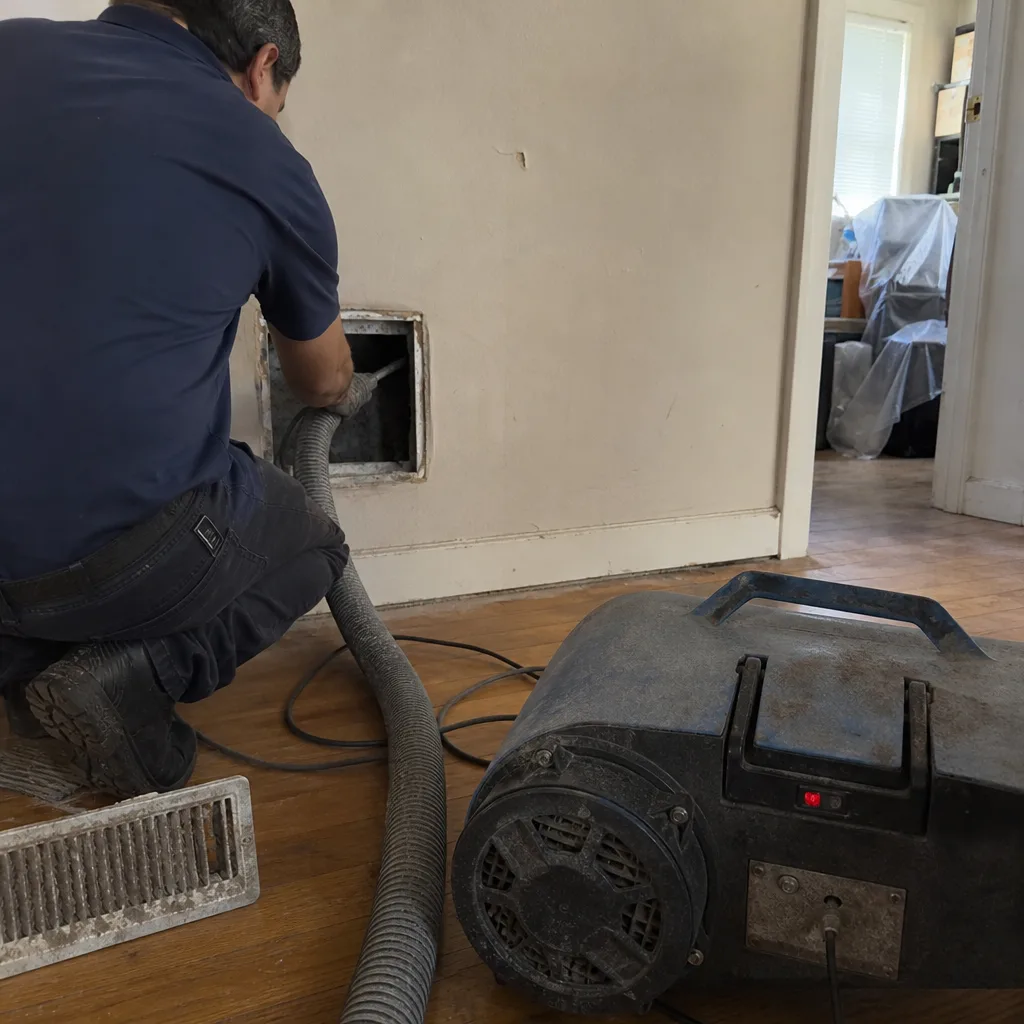 Before
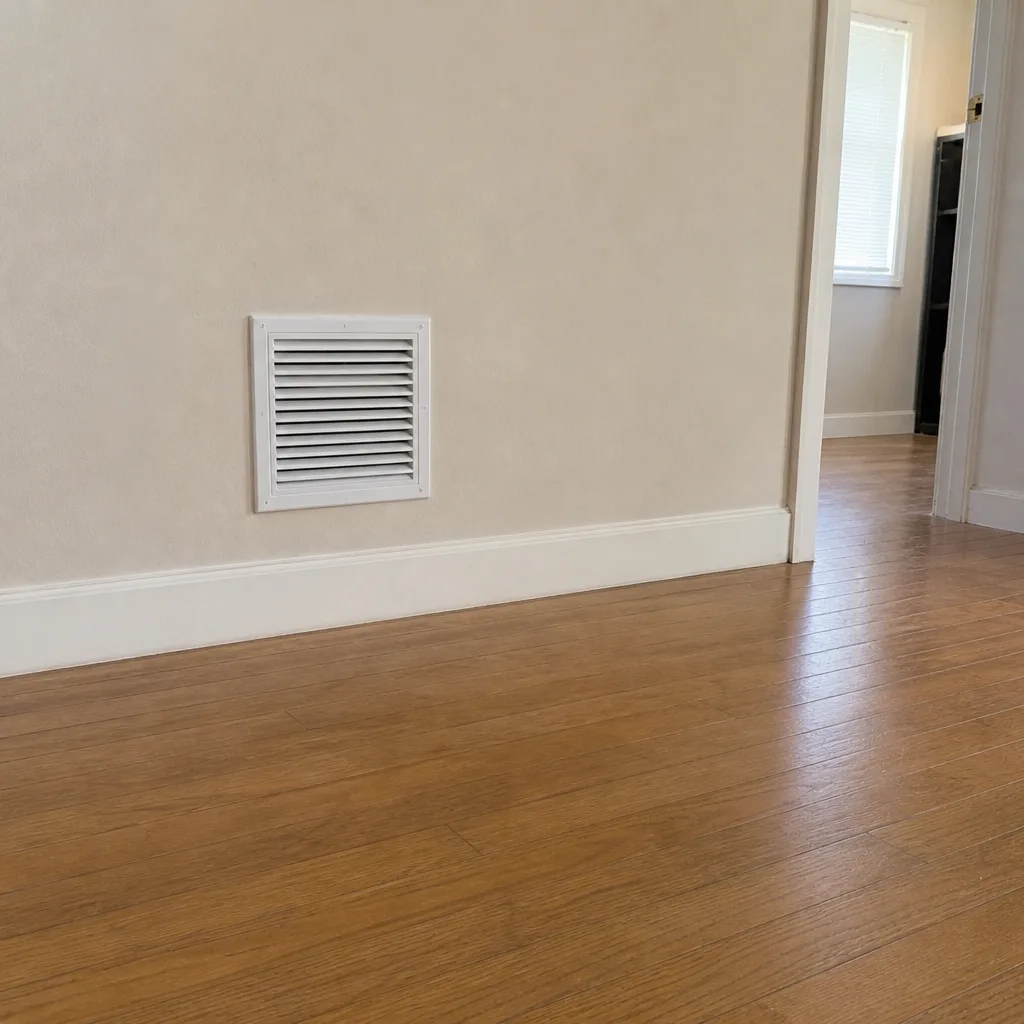 After
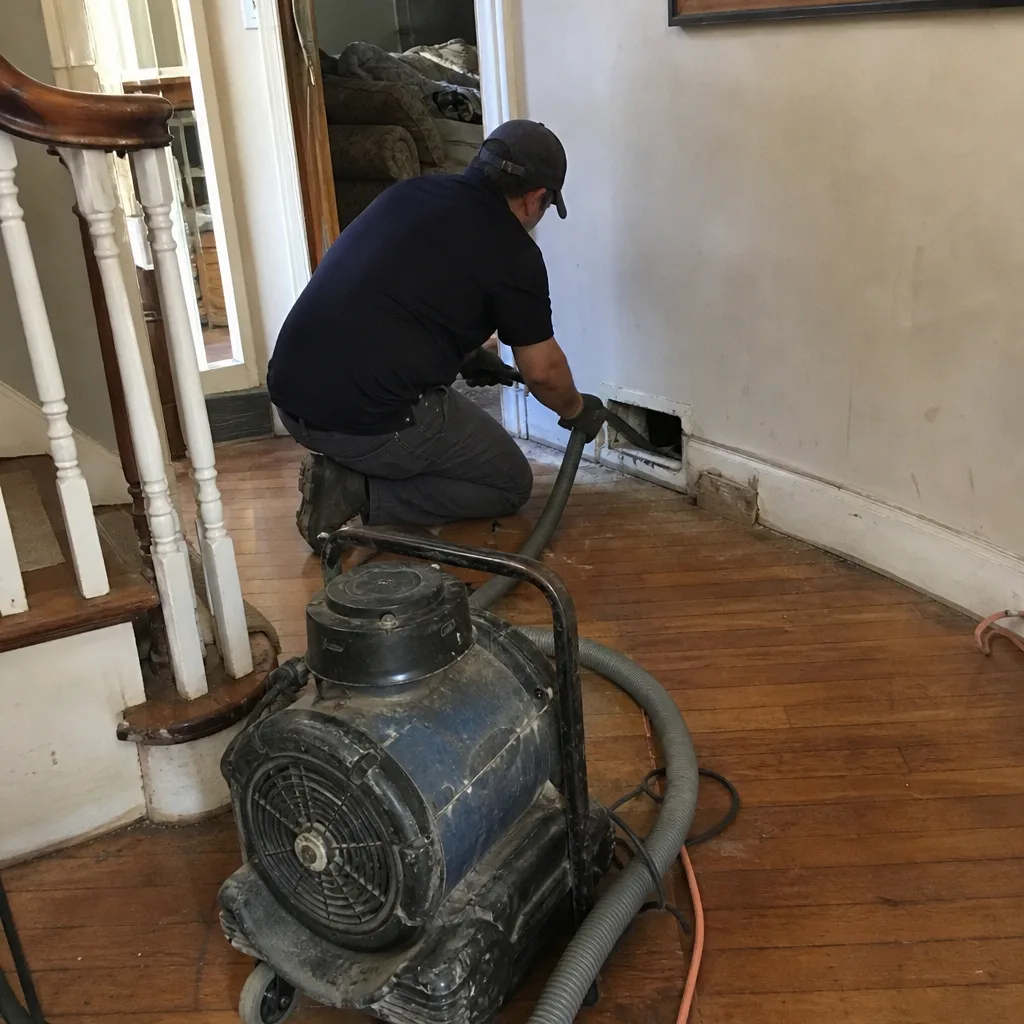 Before
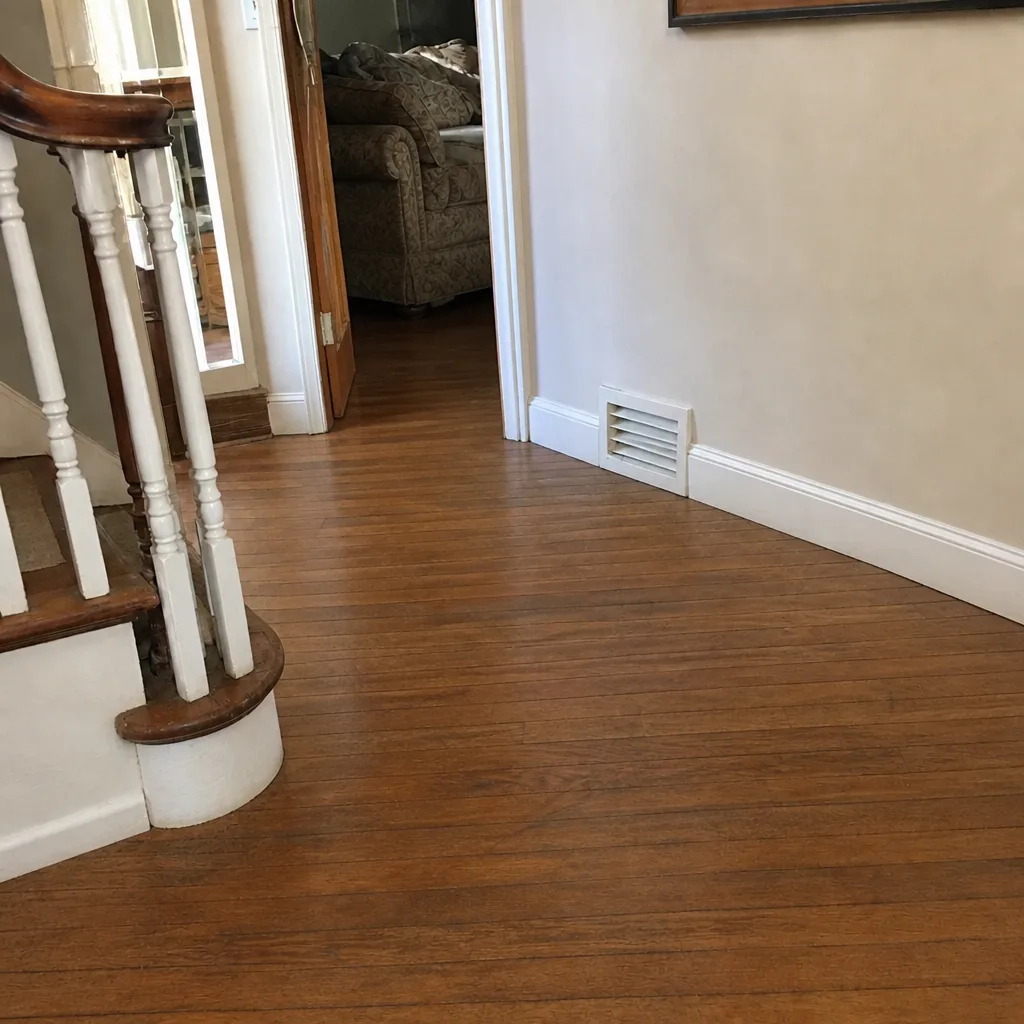 After
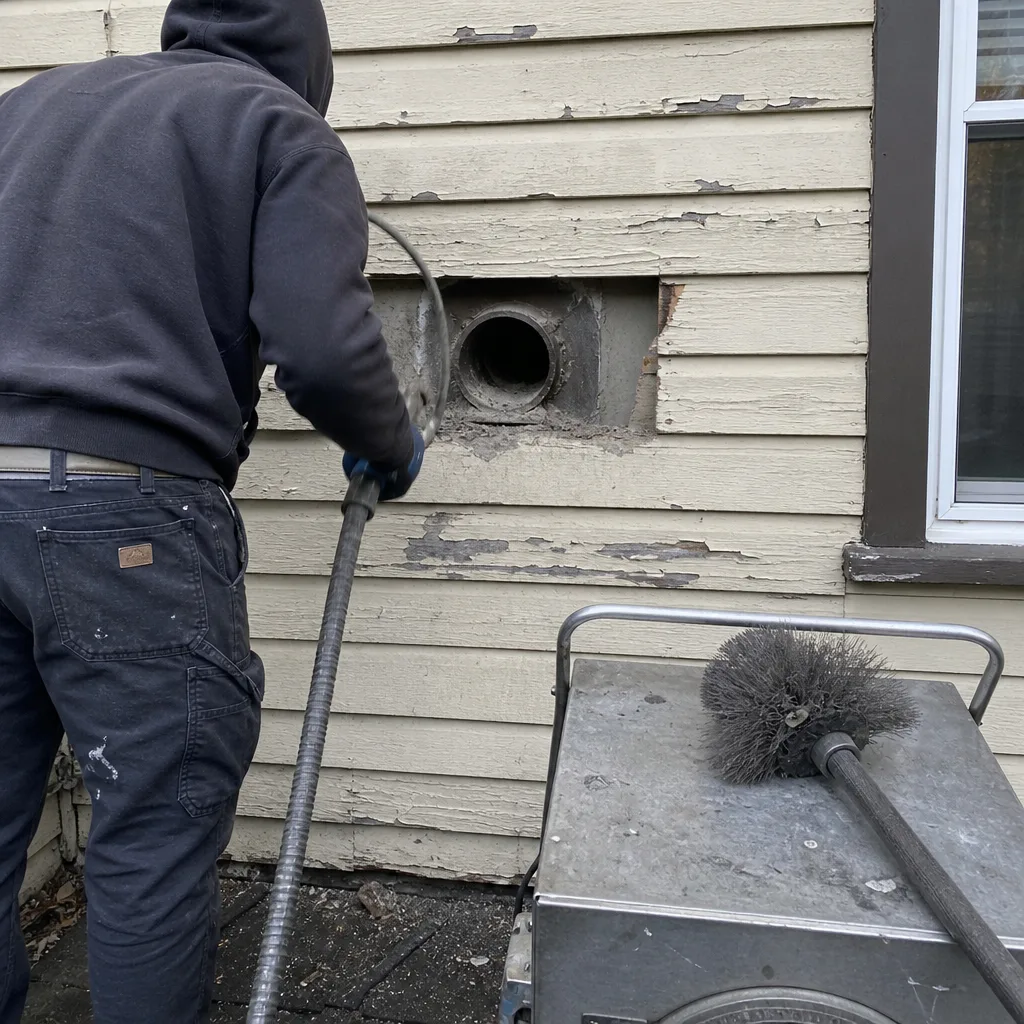 Before
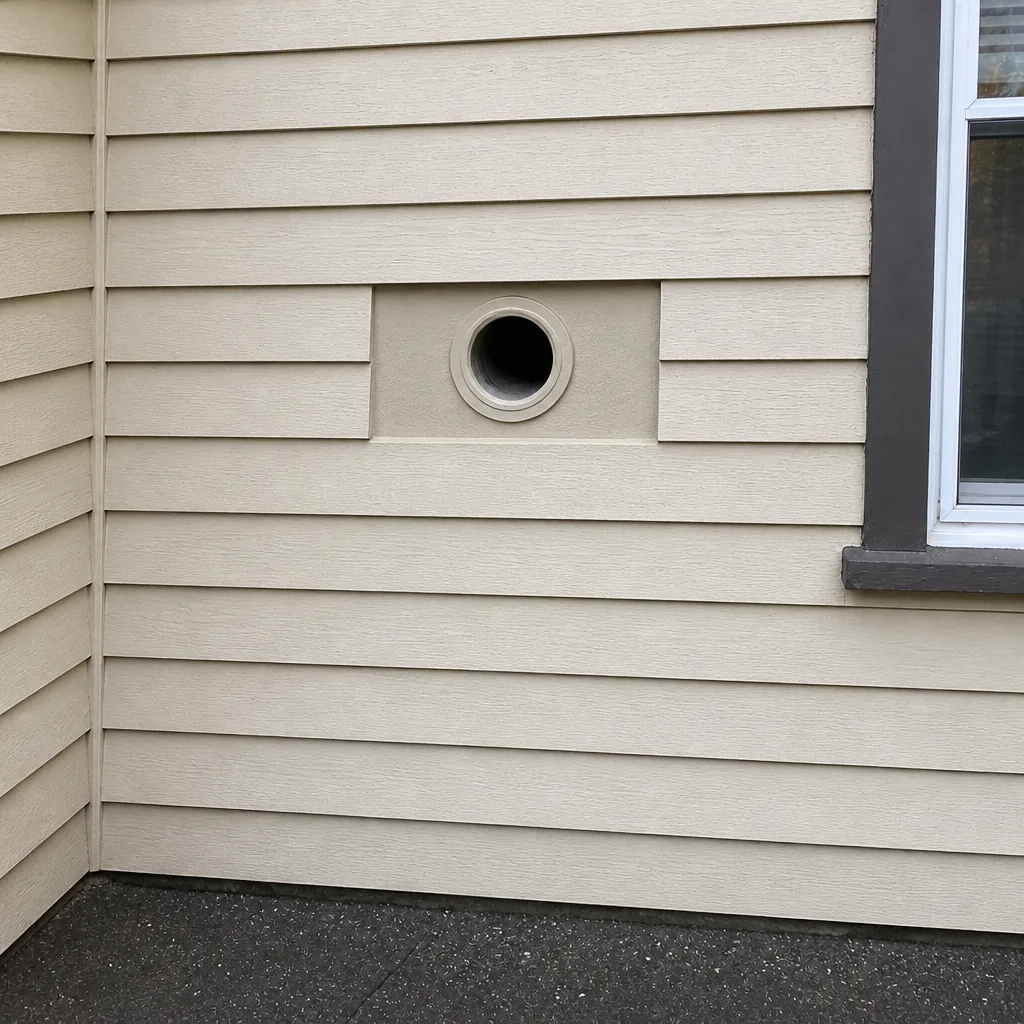 After
When to Call a Professional
Some jobs can wait. Others can’t. Call a professional when you notice persistent musty or dusty odors that return shortly after cleaning, when rooms are inexplicably hard to heat or cool, or when surface dust reappears within days of a wipe-down. Call after major renovations, when the air handler or cabinet shows visible buildup, or when you’ve never had the system inspected and the home has been through years of additions. Call if a family member with allergies or respiratory sensitivity seems worse indoors than out. And call about the dryer vent if it’s been years since anyone looked, especially if a load now takes longer than it used to.
Our technicians have up to 14 years of experience, and we bring the equipment the job needs, not a probe and a promise. Air Duct Cleaning Richmond Hill offers free estimates in Richmond Hill. Call (888) 362-5954. We answer 24/7. Fast dispatch from 7am to 7pm, Sunday through Friday.
Frequently Asked Questions
It’s priced per job, not per vent or per hour, and the written estimate sets the final price. The cost depends on how many runs the system has, how much contamination the inspection finds, whether the cabinet and coil need cleaning, and whether sealing is required. We give a flat, whole-system estimate up front so the figure doesn’t change once work starts. Call (888) 362-5954 for an exact quote; estimates are free.
A very low quote usually means surface cleaning, not source removal. The crew wipes the grille, vacuums a short reach behind it, and leaves the bonded debris in the trunk. There’s no rotary agitation, no HEPA containment, no cabinet cleaning, and no sealing. The invoice looks better, but nothing in the system has actually been removed. One flat price per system, agreed before work begins, plus before-and-after photos of your own ducts, is what keeps the two kinds of quote from looking comparable.
Ask for before-and-after photos of your own duct interiors, and ask for the inspection documentation from before the job started. A real clean produces both, and a real contractor expects you to look. If the state of the system is documented on the way in and on the way out, there’s nothing left to guess at. Call (888) 362-5954 to schedule an inspection and a free estimate.
Most Richmond Hill homes are fine on a multi-year cycle, but the honest answer depends on the specific system, the filter habits, renovation history, and whether the home has pets or anyone with allergies. A home that’s been through a major renovation, or one with a loaded coil and a neglected filter, may need attention sooner. The inspection tells you, and it’s better to know than to guess. Call (888) 362-5954 for a free estimate.
Cleaning removes the accumulated dust and biological material that a system re-circulates, so it can reduce the load the home is breathing in. Results depend on doing the whole pathway, cabinet included, and on addressing filtration and humidity afterward. Upgrades compatible with Honeywell and Aprilaire systems can be added in the same visit. For the right scope on your home, call (888) 362-5954; estimates are free.
It’s part of the service portfolio, and it’s a genuinely separate safety job. Lint buildup restricts exhaust airflow and raises fire risk, and in a dense or converted Richmond Hill home the vent run is often long enough to trap lint quickly. If it’s been years since anyone looked, it’s worth doing. Call (888) 362-5954 for a free estimate.
The Bottom Line
Air duct cleaning in Richmond Hill works when it’s treated as a system, not a single task. That means a documented inspection with static pressure and return-path readings, source removal with rotary extraction and HEPA containment, a clean air handler and coil, and sealing that keeps the improvement from bleeding away within a season. The equipment matters, and so does the order of the work. A duct that looks clean at the vent can still hold pounds of debris six feet back; the only way to be sure is to audit the whole pathway, then clean, seal, and sanitize it as one. Air Duct Cleaning Richmond Hill connects you with local professionals who work the full air system this way, with free estimates and a written price per system before anything starts. Call (888) 362-5954. We answer 24/7. Fast dispatch from 7am to 7pm, Sunday through Friday.
Written by the team at Air Duct Cleaning Richmond Hill.