
Last updated November 22, 2026
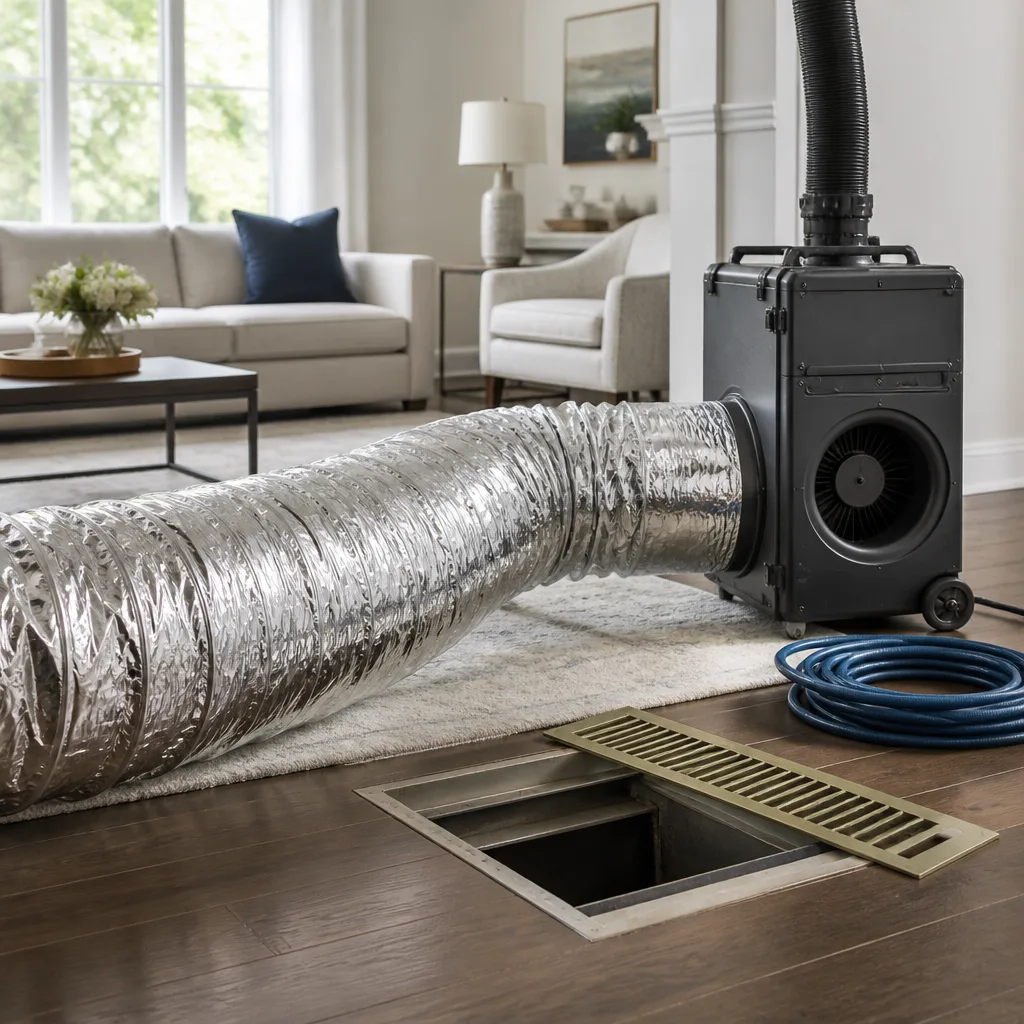 Whole-home duct cleaning
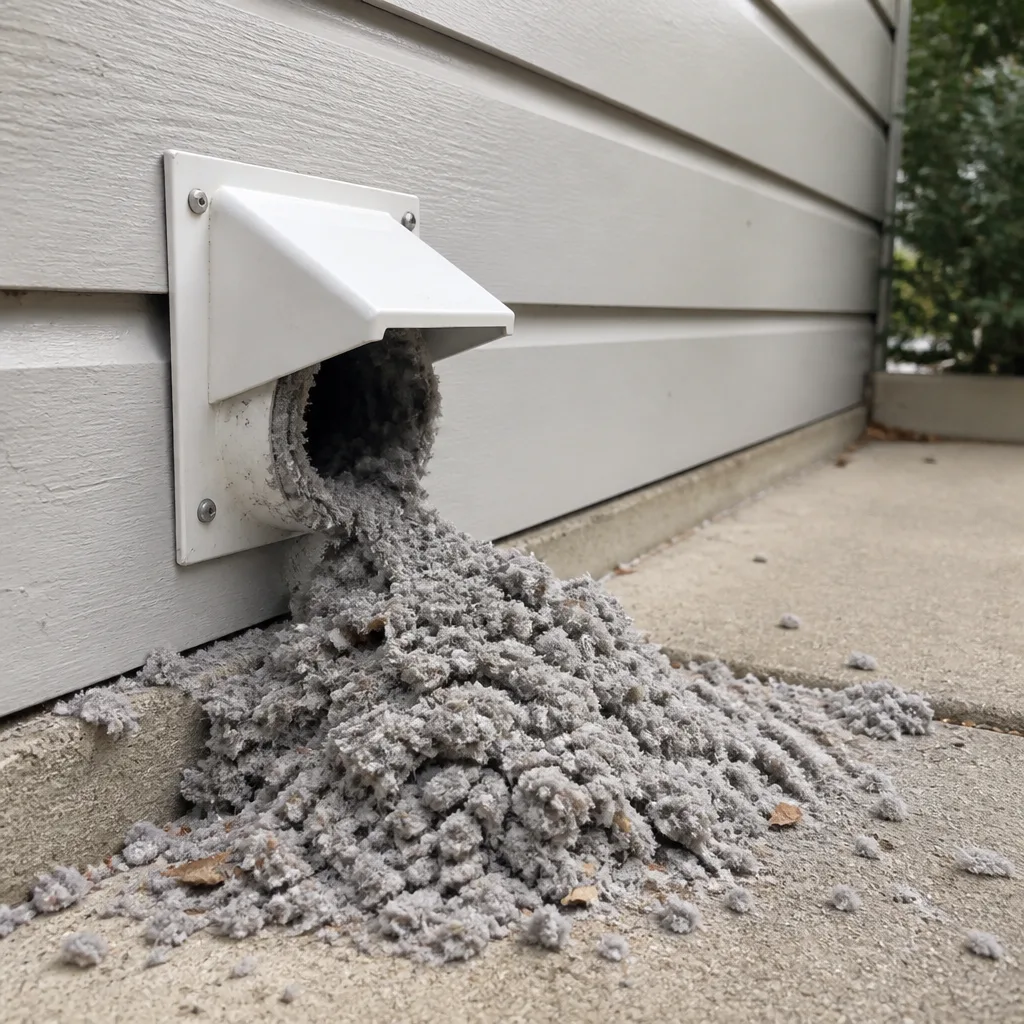 Dryer vent cleaning
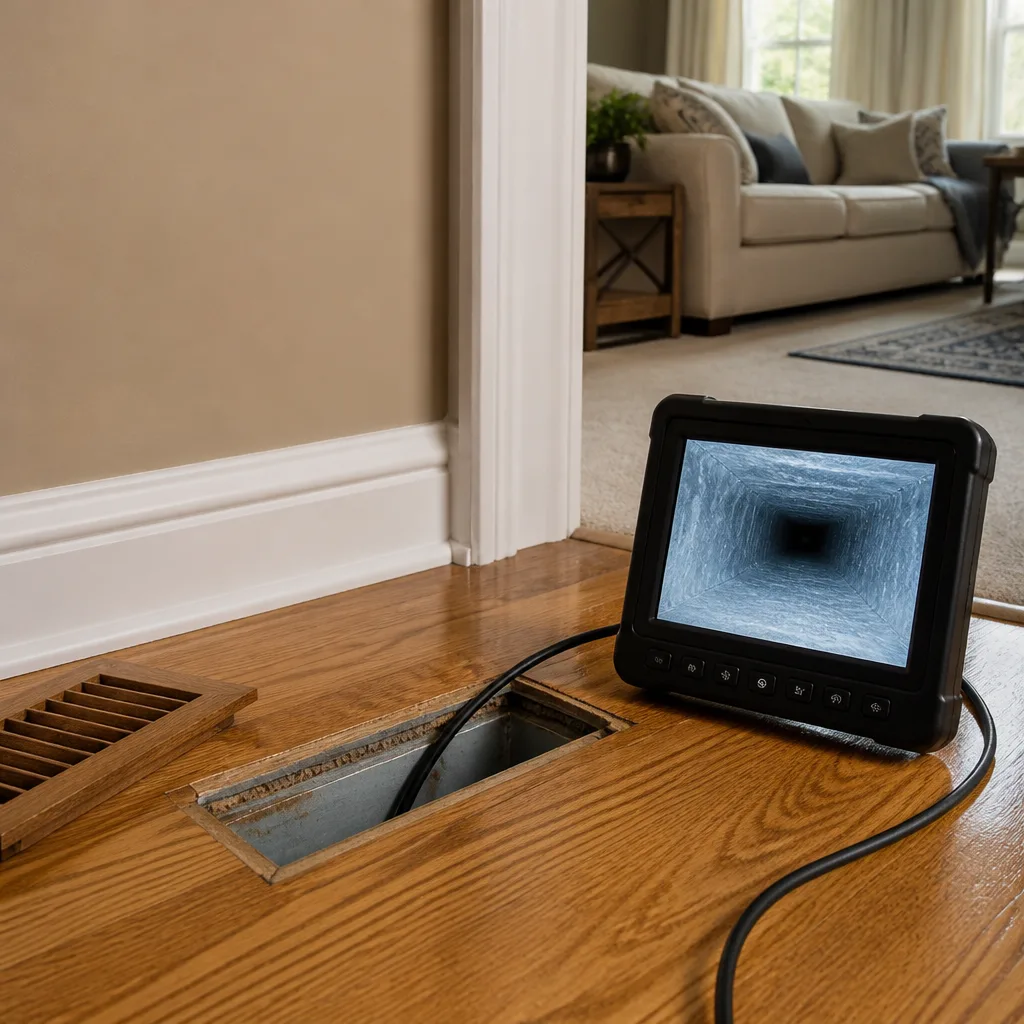 Camera inspection
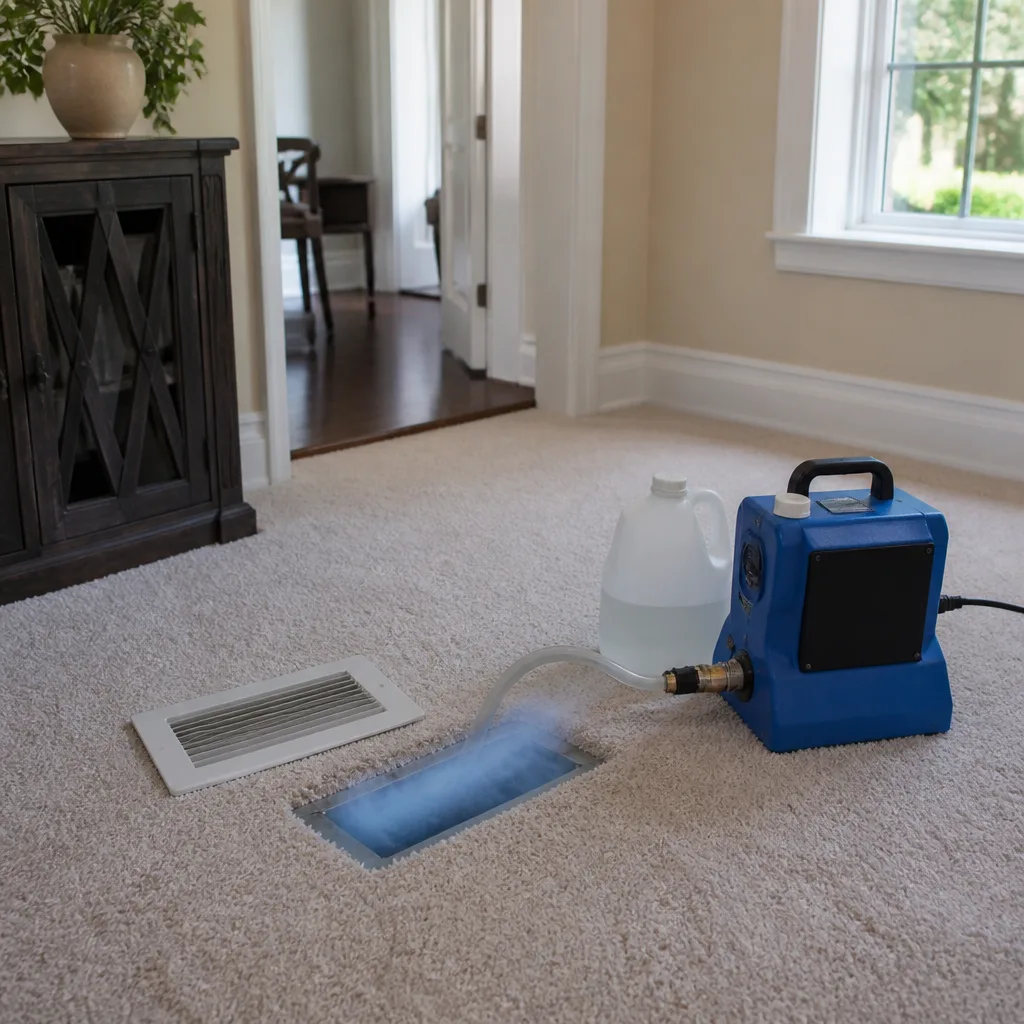 Sanitizing & deodorizing
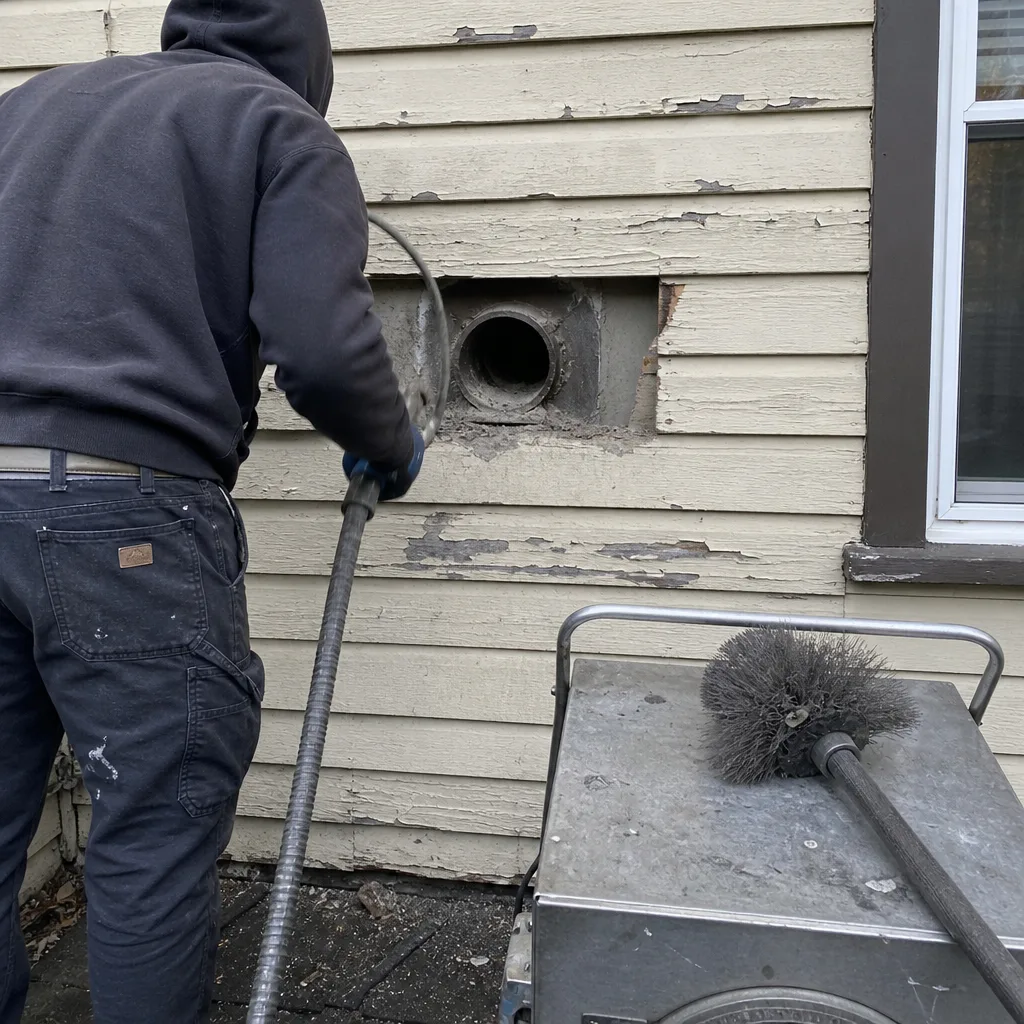
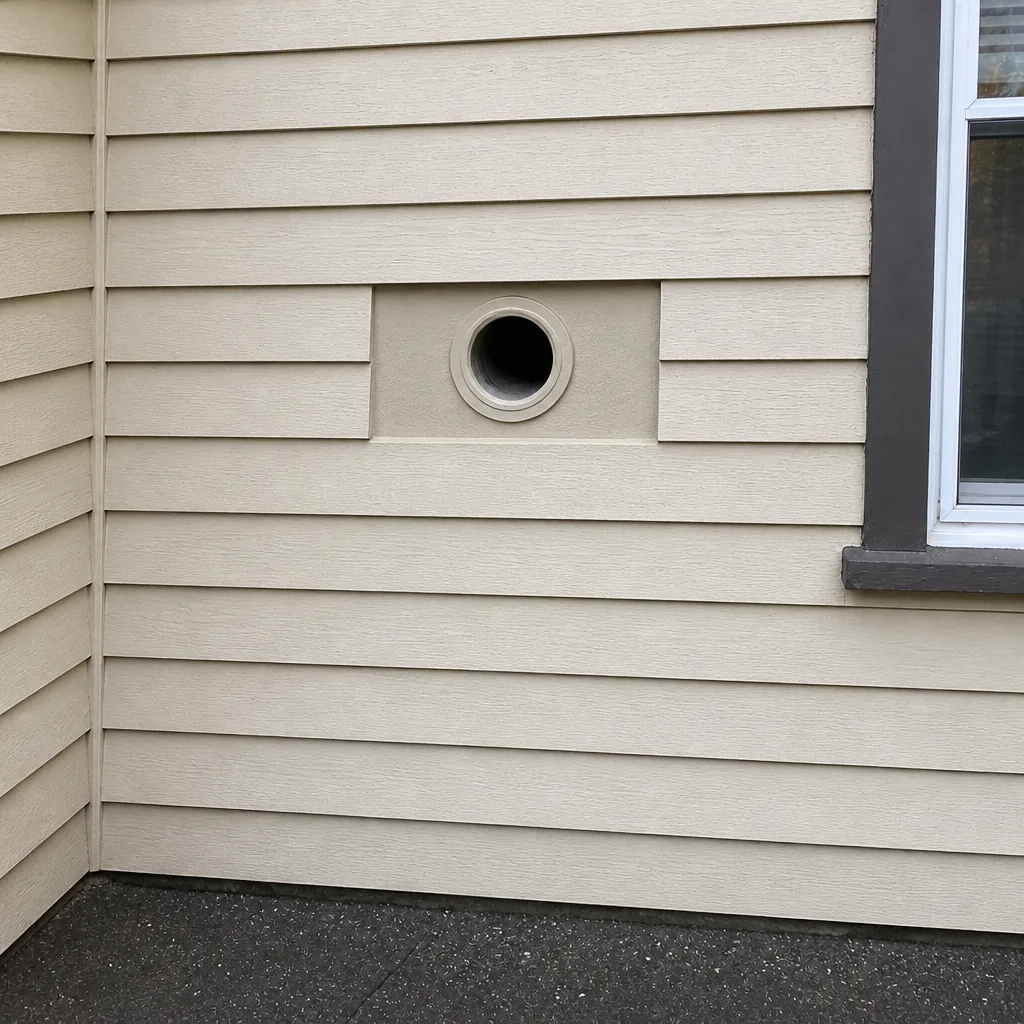
Whole-system duct and dryer vent check with before-and-after photos - you see exactly what came out of your vents
That "$99 whole-house special" is a bait ad - the real number appears once they are in your hallway, or the "clean" is a shop-vac at the register. We photograph the inside of your ducts before and after instead.
How to Hire an Air Duct Cleaning Contractor in Richmond Hill: A Step-by-Step Guide
Any company can put a certification logo on a website. The credential that actually matters is whether the technician can explain, before touching your system, where their negative pressure comes from and how the debris leaves your house instead of settling back into your rooms. That is the difference between source removal and a cosmetic sweep. In this guide, we walk Richmond Hill homeowners and property managers through the exact questions that separate process-competent contractors from truck-and-vacuum operators, how to read a real quote line by line, and how to verify the work was done once the crew leaves.
Quick Answer
Hiring an air duct cleaning contractor in Richmond Hill means verifying process, not marketing. Ask whether they use truck- or equipment-mounted negative pressure with HEPA filtration, whether they inspect and photograph before cleaning, and whether they put the scope in writing with line items. If the answers are vague or the price is quoted over the phone without an inspection, keep calling.
Styles & brands we work with
- Whole-home duct cleaning
- Dryer vent cleaning
- Camera inspection
- Sanitizing & deodorizing
Table of Contents
- Why Air Duct Cleaning Is Largely Unregulated in New York
- The Five Phone Questions That Filter Contractors Fast
- What a Real Pre-Cleaning Inspection Looks Like
- Richmond Hill Red Flags to Watch For
- How to Read and Compare Written Quotes
- Post-Job Verification: What to Ask For Without Being Asked
- Why Your Ducts Are Only Part of the System
- Common Mistakes to Avoid
Why Air Duct Cleaning Is Largely Unregulated in New York
New York does not issue a specific air duct cleaning license. There’s no state exam, no dedicated registry, and no uniform standard a customer can look up to confirm a company is qualified for this particular trade. That’s the single most important fact for anyone hiring in Richmond Hill, NY, and it changes how you vet people. The burden of proof lands on you.
What exists instead is a patchwork. General business registration, general liability insurance, and voluntary industry credentials from trade associations fill part of the gap, but none of them are enforced at the door. A crew can legally show up with a shop vacuum, pull a few registers, and leave without ever creating the pressure differential required for real source removal.
In practice, this means the homeowner’s toolkit is:
- Proof of insurance. Ask for a certificate of insurance before work begins. It protects your floors, walls, and HVAC equipment.
- Process explanation. A contractor who cannot describe negative pressure and HEPA capture in plain English has likely never run it.
- Written scope. Verbal promises evaporate when it’s time to discuss results.
- References and documentation. Photos, pre- and post-readings, and a clear invoice are what let you verify the work.
The good news: a genuinely capable contractor will welcome these questions. They’re proud of their equipment and happy to explain how it works. When someone gets defensive about their method, that’s your answer.
The Five Phone Questions That Filter Contractors Fast
You can eliminate most low-bid operators in a five-minute call. Ask these in order, listen for specifics, and notice whether the person answering sounds like they run the equipment themselves or are reading from a script.
- “What’s your negative pressure source, and is it HEPA-filtered?” The right answer names the equipment class and explains that the vacuum creates a pressure differential so debris travels toward the machine, not into your living room. A wrong answer includes the word “shop-vac” or a vague “we use a big vacuum.”
- “Do you do rotary brush agitation or air-only cleaning?” Rotary brush extraction such as Rotobrush systems physically agitates the duct wall, which is what dislodges settled dust and debris. Air-only cleaning moves loose surface material but leaves adhered contamination behind.
- “Will you inspect before quoting, or is the quote from a building-size estimate?” Serious contractors inspect the system’s actual layout before quoting. Over-the-phone estimates based on square footage miss multi-zone complexity.
- “What’s included in the quote, line by line?” You want the scope in writing: which supply runs, which returns, whether registers and grilles are removed and cleaned, whether the air handler is included, and whether a sanitizer is optional or standard.
- “Do you provide before-and-after photos and a written report?” This is the easiest filter to apply. A contractor who documents their work will say yes without hesitation.
Every answer to those five questions either matches a real process or reveals the absence of one. Call (888) 362-5954 if you’d like to hear what those answers sound like from a contractor who runs air duct cleaning with contractor-class equipment.
What a Real Pre-Cleaning Inspection Looks Like
An inspection takes 20 to 40 minutes and ends with findings, not a contract. A sales walkthrough takes ten minutes and ends with a discount that expires today. Learn to tell them apart before anyone reaches your basement.
The inspection should cover:
- Register removal and visual check. Every accessible supply and return register comes off, with a flashlight directed down the run to check buildup depth and condition.
- Air handler and coil inspection. The furnace or air handler cabinet, blower compartment, and evaporator coil are checked for dust load, biological growth, and debris. This is where a real HVAC cleaning recommendation comes from, not from a sales pitch.
- Photographs. The inspector photographs anything worth noting – heavy buildup, disconnected joints, torn flex, visible microbial growth – and reviews those photos with you. Six to twelve images is normal for a typical Richmond Hill home.
- Static pressure or airflow readings where accessible. Simple airflow checks tell you whether the system is restricted and help set a baseline for post-job comparison.
- A written, itemized quote. No pressure, no expiring discount, no “sign today.”
Richmond Hill’s housing stock makes this inspection step more valuable than in most places. Many of the homes here are older, single-family houses with previous renovations that added or rerouted runs. Multi-zone layouts are common. An inspector who slows down and walks the runs is far more likely to quote accurately than someone working from a square-footage number.
Richmond Hill Red Flags to Watch For
Some of the biggest warning signs in this market are subtle. They’re pattern signals you’ll notice within the first phone call or visit.
The $99 promo price
There is no honest way to do a real air duct cleaning – with rotary agitation, HEPA negative pressure, and register-level detail – for under $100. If the advertised price is that low, the business model relies on finding “hidden” problems on-site and upselling to a number many times larger. That’s the bait-and-switch reputation this whole industry carries, and it exists for a reason.
Square-footage pricing
Quoting by building size ignores the actual complexity of the system. A 1,400-square-foot Richmond Hill house with three zones and a long rear-run to the upstairs is more work than a 2,200-square-foot house with a single trunk. Any quote built on square footage alone will either under-deliver or over-promise.
No access to the air handler
If the crew never opens the air handler cabinet, they aren’t cleaning the system. They’re cleaning vents. Those are not the same job, and the price shouldn’t be the same.
Extreme urgency
“Today only,” “last slot at this price,” “the owner can approve a discount if you sign now.” Real contractors quote a scope and let you think about it. Urgency tactics are the tool of a sales operation, not a service company.
No documentation offer
If before-and-after photos aren’t offered as standard, that’s not an oversight. It’s a signal that the after-the-fact state isn’t worth photographing.
How to Read and Compare Written Quotes
Two quotes can sit side by side, look similar, and cover radically different amounts of work. The only way to compare honestly is line by line. Here’s what any legitimate scope needs to include.
- Number of supply and return runs to be cleaned. Not “the whole system.” A number. That’s the single fastest way to compare two quotes.
- Register and grille handling. Removed, washed, dried, and reinstalled – or just vacuumed in place? Say so.
- Air handler and blower compartment. Cleaned as part of the scope, or an added line item? Either is fine, but it needs to be visible.
- Equipment named. Rotary brush extraction, HEPA negative pressure, and equipment class. If the quote doesn’t name the process, ask for it in writing.
- Sanitizing. Separate line item and described product. Optional in healthy systems, more strongly recommended where the inspection finds biological growth.
- Duct repair and sealing. Any runs with disconnected joints, torn flex, or leaking returns should be flagged as separate scope so you can decide whether to fix them now or in a later visit.
- Access preparation. Who moves furniture, and who puts things back.
A real quote also tells you what it does not cover. Ask. If the contractor can’t list what’s outside the scope, the scope isn’t tight enough to hold up. Customers in Richmond Hill should be especially careful with quotes for older homes where the return plenum was never sealed after a renovation – that gap is exactly where a sealed-system repair pays for itself.
Post-Job Verification: What to Ask For Without Being Asked
Verification is not an insult. It’s the sign of a professional exchange. Any contractor confident in their process will hand you documentation as a matter of habit – not because you pushed.
Here’s what you should walk away with:
- Before-and-after photos of the same segments. Two or three matched image pairs of contaminated areas show whether the process moved material or simply stirred it.
- A written service summary. What was cleaned, what was sealed, what was sanitized, and what was flagged for future work.
- A post-clean airflow reading. Compare it to the pre-clean reading from the inspection. This is the most objective proof the cleaning improved the system.
- A clear invoice matching the quote. No surprise add-on line items outside what you agreed to.
- A wrap-up walkthrough. Registers reinstalled, no debris on floors, thermostat restored, and confirmation the system runs normally before the crew leaves.
If any of those pieces are missing, you should ask. The contractor who shrugs them off is telling you something important about their process. The one who produces them without effort is the one you’ll call again.
Why Your Ducts Are Only Part of the System
Duct cleaning is one service. Your air system is bigger than that, and thinking about it as a whole changes what you hire for.
Think of the pathway: the air handler pulls return air through a filter, moves it across a coil, pushes it through the supply trunk and branch runs, and delivers it through registers into each room. Every one of those components can degrade airflow, and every one can contribute to what you’re breathing. A cleaning that skips the air handler leaves the dust source running. A cleaning that ignores disconnected duct joints leaves the system re-contaminating itself the moment the blower starts.
That’s why we treat duct cleaning, HVAC cleaning, duct repair and sealing, and sanitizing as connected work. It’s also why we include dryer vent cleaning in the portfolio – lint buildup in the dryer vent is a documented fire hazard, not an air quality add-on, and it’s a service a lot of HVAC cleaners simply skip.
When it comes to air quality upgrades, familiarity with the equipment brand matters too. Post-cleaning filtration upgrades and humidity control from manufacturers such as Honeywell and Aprilaire are common next steps in homes where a cleaning revealed the filter or moisture side of the system was underperforming. For elevated contamination scenarios where containment is required, we carry Abatement Technologies air quality equipment – the same class of equipment used in restoration work.
If you haven’t booked any of this before, start with the pillar page on Air Duct Cleaning Richmond Hill to see how the five service categories fit together.
Common Mistakes to Avoid
- Booking off the lowest coupon price. A coupon is a hook, not a scope. The final invoice almost always reflects what the job actually required – and the gap between the two is where disappointment lives.
- Accepting a phone quote without an inspection. Richmond Hill’s older homes and multi-zone layouts don’t fit a square-footage formula. If nobody has looked inside your system, nobody has a real quote.
- Skipping the air handler. Ducts without the air handler is a partial job, priced like a full one. Make sure the scope includes it, in writing.
- Ignoring disconnected or torn duct runs. Cleaning a system that leaks at the joints means re-contaminating it within weeks. Ask about duct repair and sealing during the same visit.
- Not asking for photos. Every serious contractor documents their work. If a crew leaves without images, you have no way to verify what happened – and no ability to see whether a second visit is needed.
- Treating the dryer vent as someone else’s problem. Lint buildup in the dryer vent is a documented fire risk, not a maintenance chore. If your contractor doesn’t offer it, book it separately.
- Comparing quotes by total price alone. Different scopes, different equipment classes, and different register counts are hidden inside a single number. Put the line items side by side or you’re comparing nothing.
See the difference
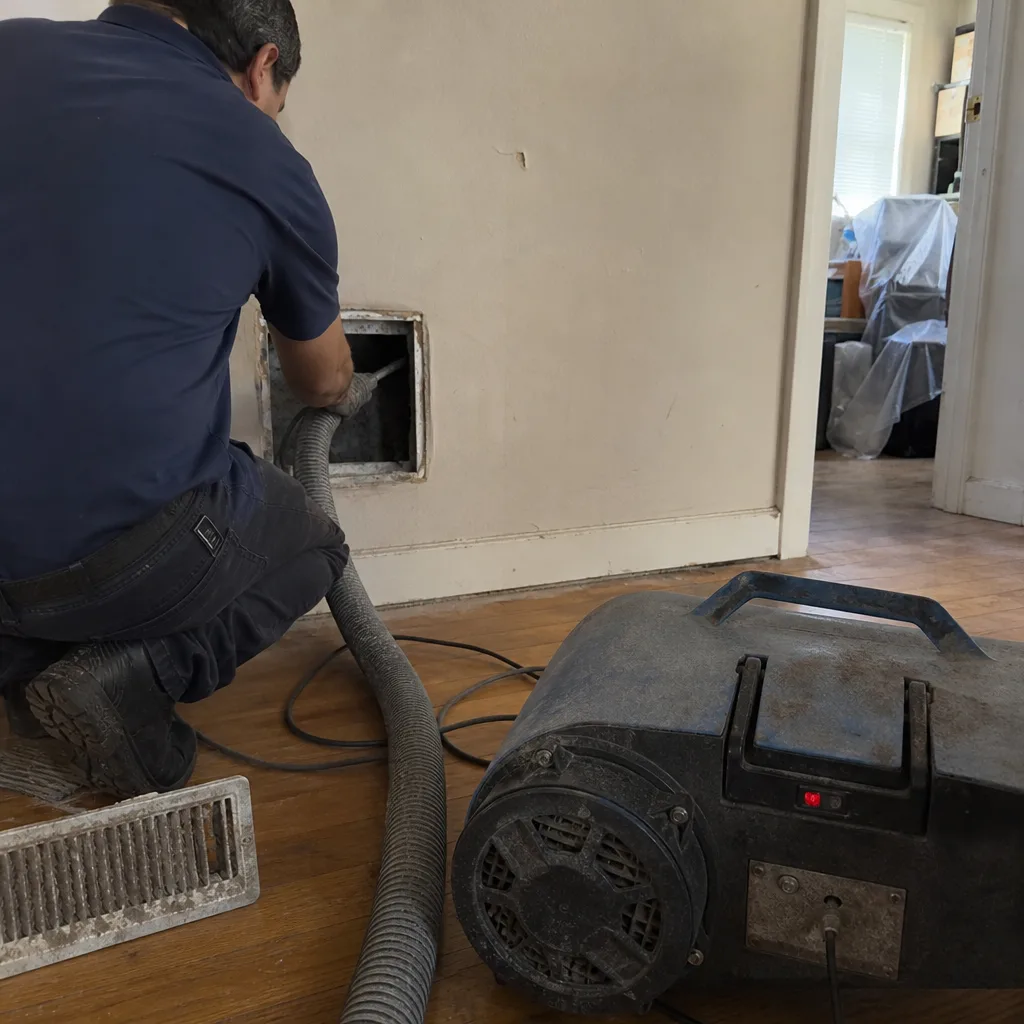 Before
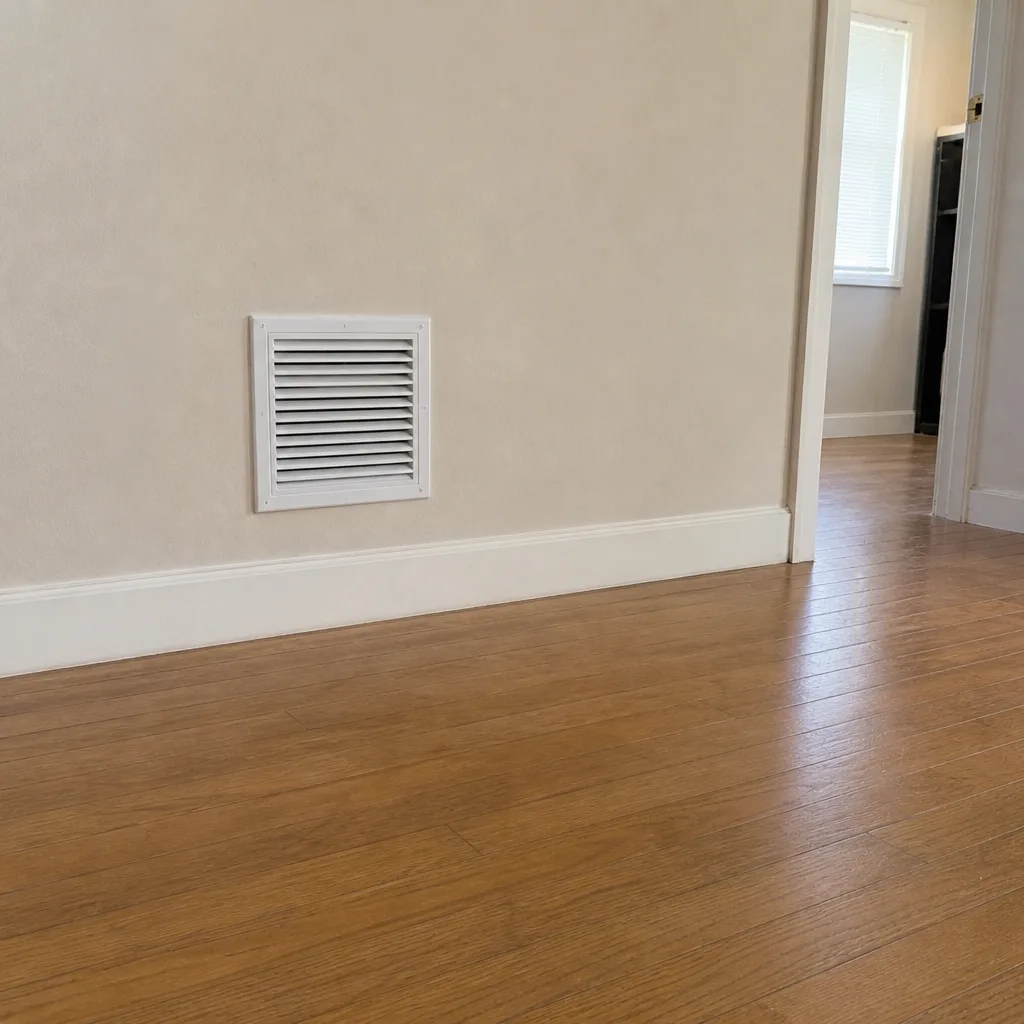 After
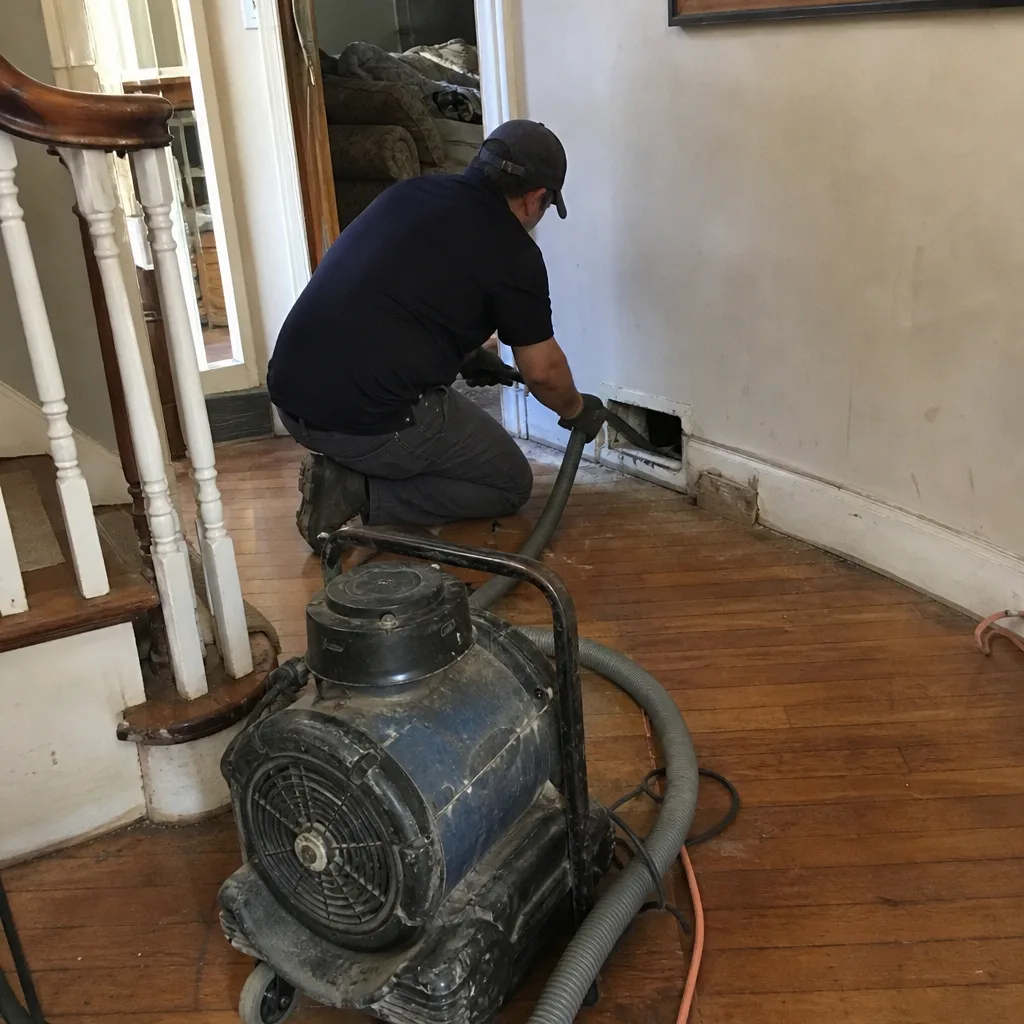 Before
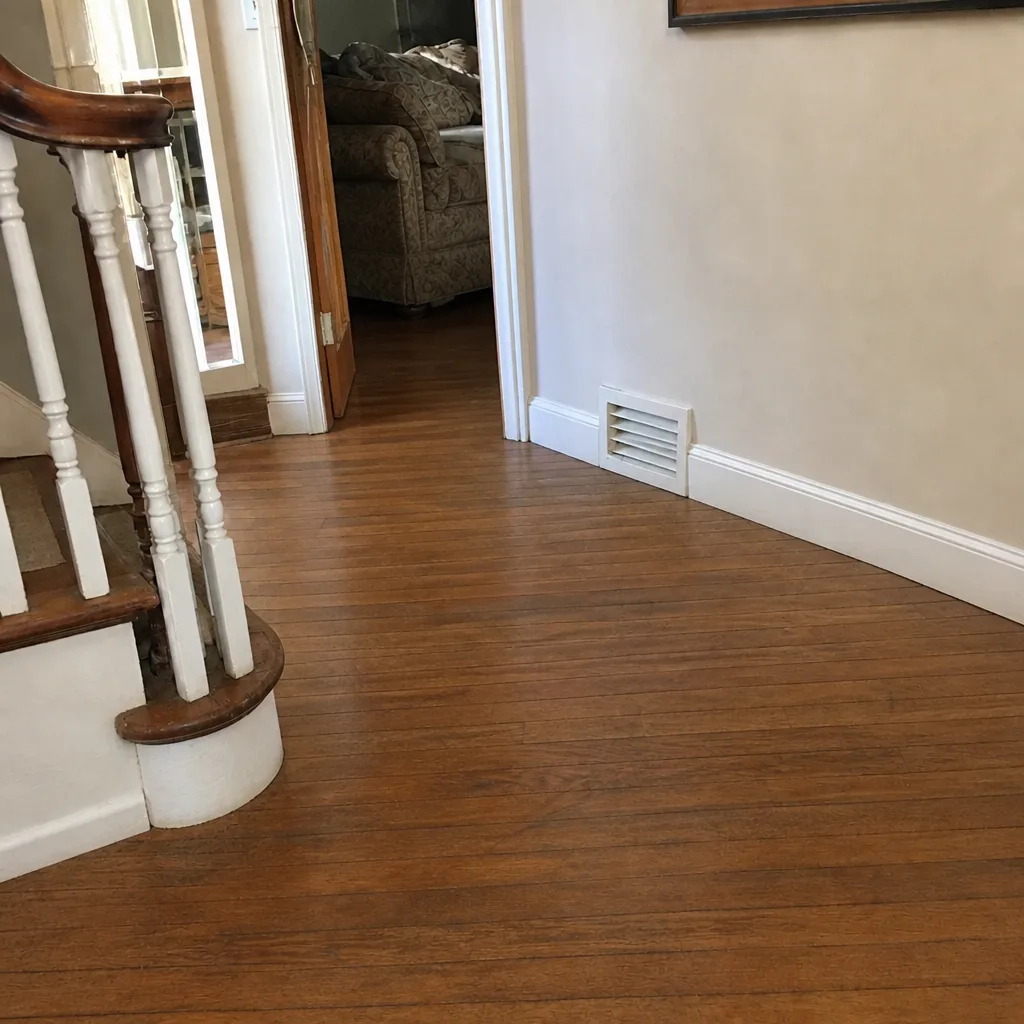 After
 Before
 After
When to Call a Professional
Some situations are obvious. If you see visible dust blowing from registers when the system starts, if musty odors follow the airflow from room to room, or if allergy symptoms get worse indoors every time the HVAC runs, something is coming through your ducts that shouldn’t be. Uneven airflow – one room hot, another cold, no obvious cause – often traces back to a leaking or clogged duct. Rising energy bills with no change in usage can too. And the less visible case matters just as much: if your air handler or ductwork hasn’t been touched in years, the system may be circulating a lot more than you realize. Air Duct Cleaning Richmond Hill offers free estimates in Richmond Hill. Call (888) 362-5954. We answer 24/7. Fast dispatch from 7am to 7pm, Sunday through Friday.
Frequently Asked Questions
Ask them to describe their equipment and process in plain English. A qualified contractor will explain negative pressure source removal, rotary brush agitation, and HEPA filtration without prompting, and will offer documentation. Certifications matter less than the ability to explain the why behind the process.
The honest answer is that pricing depends on the number of runs, the size of the system, and whether the air handler is included. Whole-system work typically lands in the several-hundred-dollar range, and any quote built on a per-vent formula or a coupon price isn’t a reliable reference. Call (888) 362-5954 for a free estimate – the price is set per job by a written quote after inspection.
Because they cover less work, use lighter equipment, and often rely on finding an on-site upsell. A quote that doesn’t include the air handler, doesn’t specify rotary agitation, and doesn’t mention documentation is telling you exactly what it is: a surface-level sweep priced to get in the door. Get the line items in writing before comparing.
Ask for before-and-after photos of the same duct segments, a written service summary, and a post-clean airflow reading compared to the pre-clean baseline. Contractors who document their process produce this without pushback. If you have to fight for it, that’s a sign.
Most homes in Richmond Hill do well with a full system cleaning on a multi-year cycle, with the exact interval depending on pets, filters, renovations, and smoking. Homes with recent renovation dust, visible buildup, or a household member with respiratory sensitivity benefit from more frequent attention. Call (888) 362-5954 – a free inspection tells you what your system actually needs rather than what a coupon cycle suggests.
Cleaning alone doesn’t solve mold. Identifying the moisture source matters more than the cleaning itself, and elevated contamination situations call for containment equipment – Abatement Technologies-class air quality gear is what we bring for those jobs. If your inspection turns up biological growth, ask specifically how containment and remediation will be handled before any work begins.
The Bottom Line
Hiring an air duct cleaning contractor in Richmond Hill comes down to process verification, not marketing claims. Confirm the equipment, inspect the system before agreeing to a price, insist on line-item scope in writing, and require documentation after the job. Those four habits will filter out most low-bid operators immediately, and they’ll protect your system from the bait-and-switch pricing this industry has earned its reputation on. Contractors who can stand behind their equipment will answer every question you ask. The ones who can’t will make that clear in the first five minutes.
Air Duct Cleaning Richmond Hill offers free estimates across Richmond Hill, NY, for our full five-service portfolio: air duct cleaning, dryer vent cleaning, HVAC cleaning, duct repair and sealing, and air quality and sanitizing. Our technicians have up to 14 years of experience, and we use contractor-class Rotobrush and Nikro equipment on every air duct job. Call (888) 362-5954. We answer 24/7. Fast dispatch from 7am to 7pm, Sunday through Friday.
Written by the team at Air Duct Cleaning Richmond Hill.