
Last updated November 22, 2026
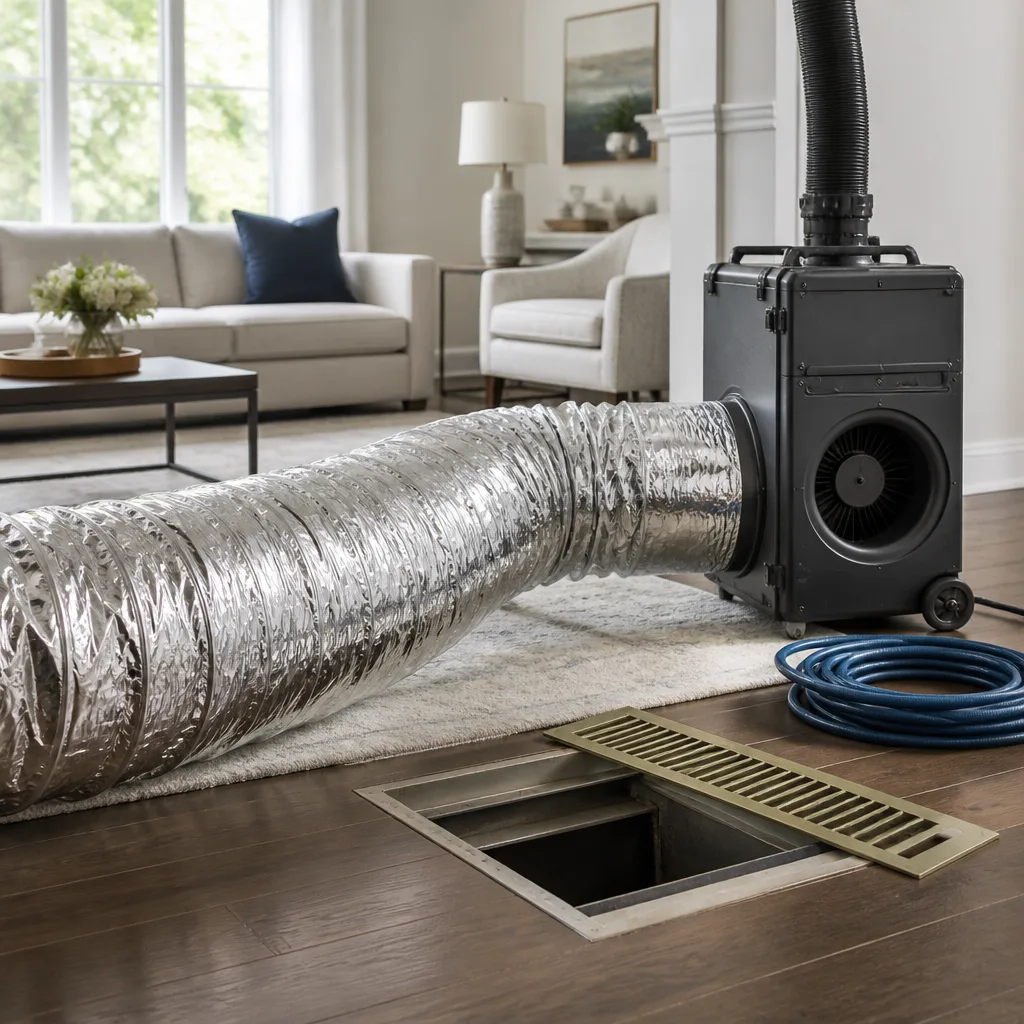 Whole-home duct cleaning
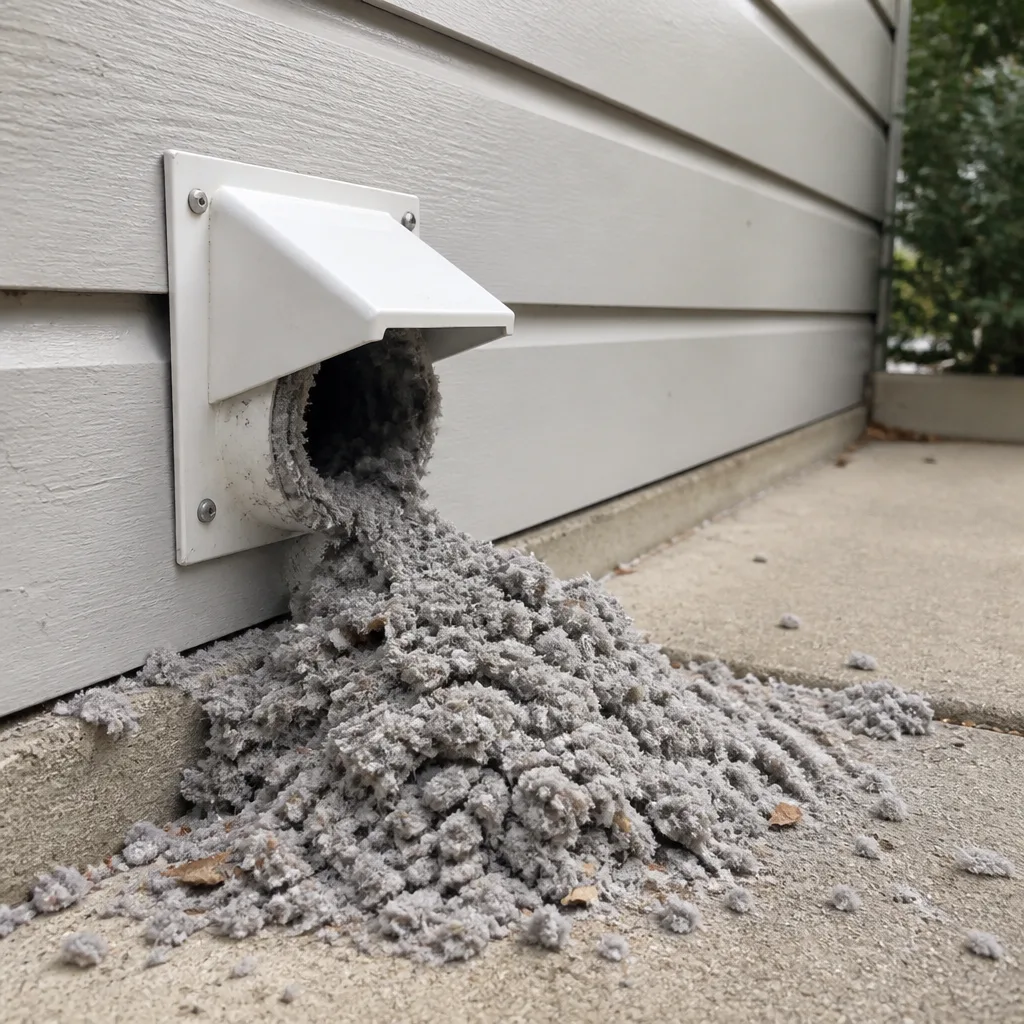 Dryer vent cleaning
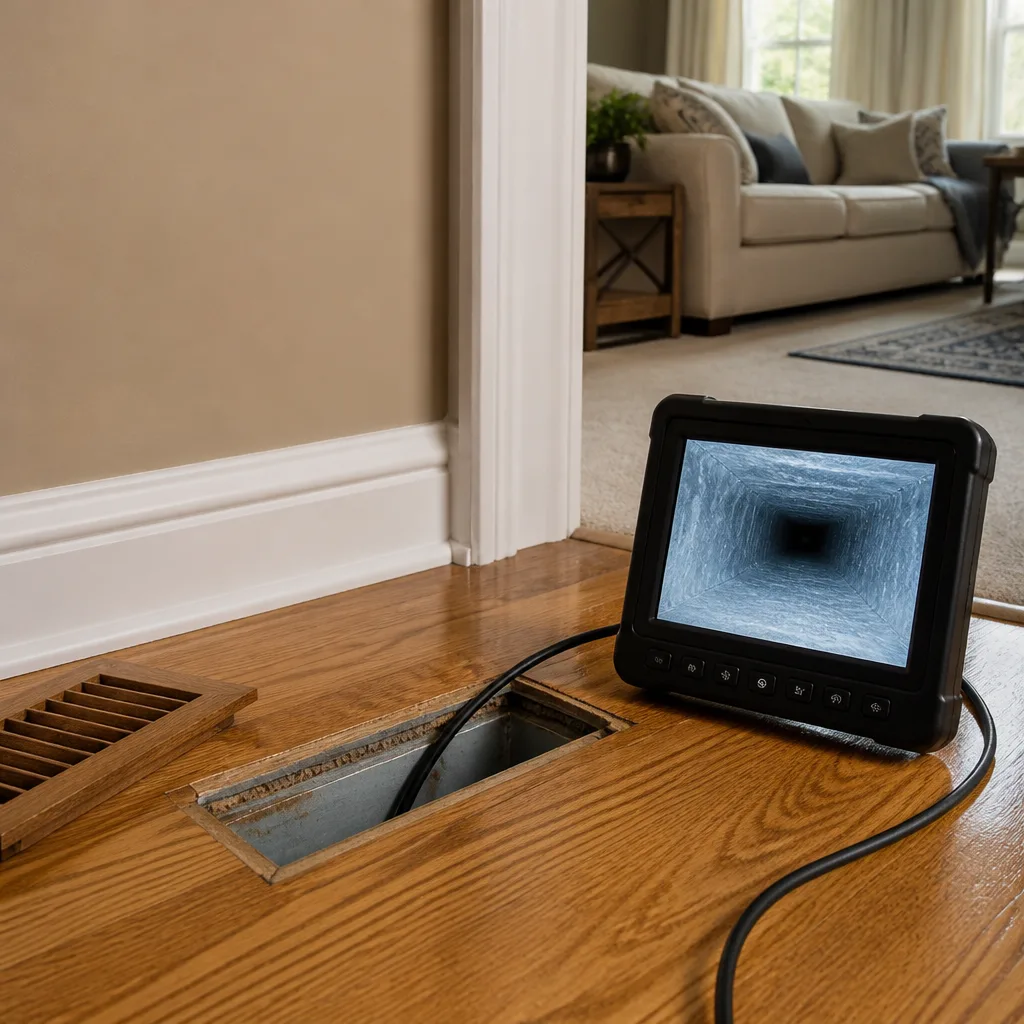 Camera inspection
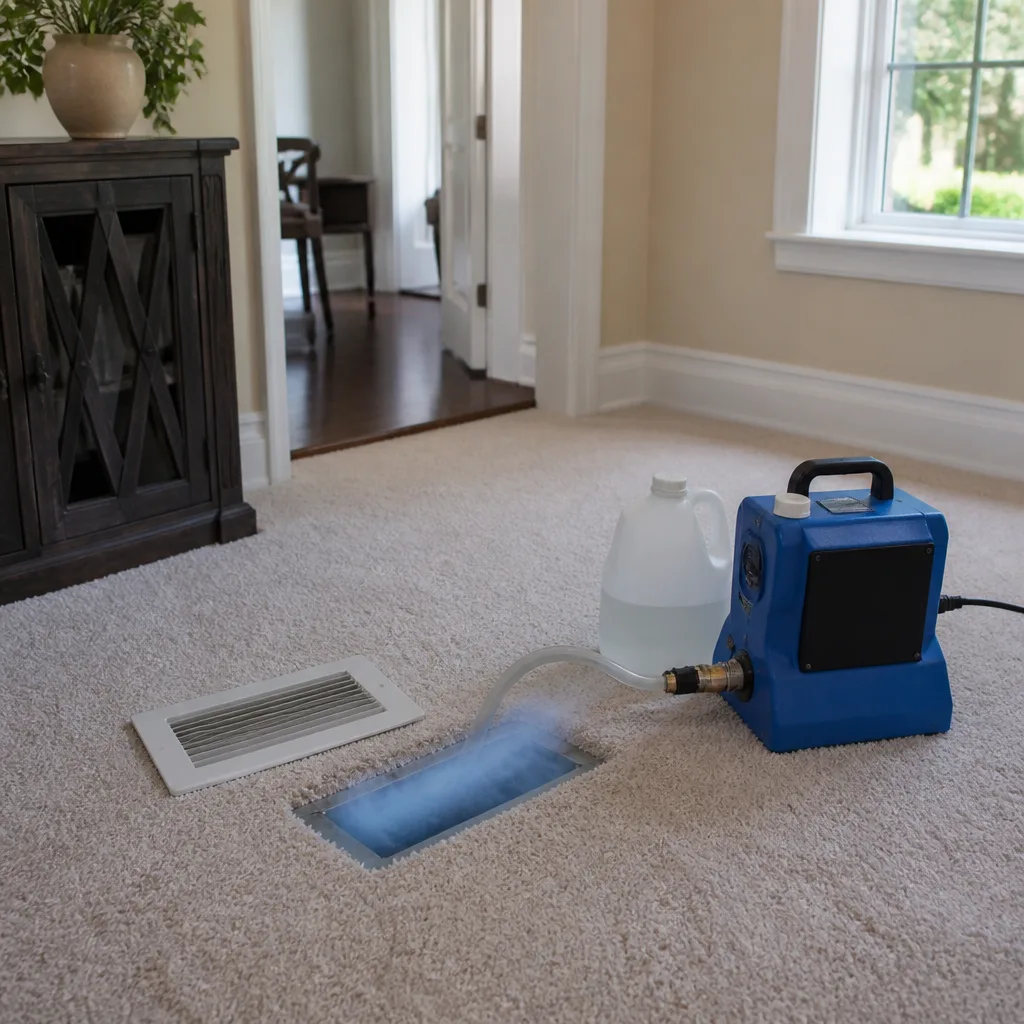 Sanitizing & deodorizing
Whole-system duct and dryer vent check with before-and-after photos - you see exactly what came out of your vents
That "$99 whole-house special" is a bait ad - the real number appears once they are in your hallway, or the "clean" is a shop-vac at the register. We photograph the inside of your ducts before and after instead.
Air Duct Cleaning Cost Breakdown: The Richmond Hill Homeowner’s Reference for 2026
Two quotes land in your inbox. One says $299 for a whole-home cleaning. The other says $900. It’s tempting to assume the cheap one is a bargain and the expensive one is a rip-off. Neither assumption holds. Those two numbers usually describe two different jobs entirely.
Air duct cleaning pricing in Richmond Hill is quoted inconsistently because most companies price by vent count without accounting for duct condition, system age, or the full scope of work that actually produces lasting results. A vent-count price says nothing about whether your ducts are metal or flex, whether your HVAC components get cleaned, or whether the system gets sealed afterward.
This guide breaks down what each line item should cost in 2026 and why. You’ll see inspection, source removal cleaning, HVAC component cleaning, sanitization, and sealing priced separately. You’ll learn why square footage and system complexity predict labor better than vent count. And you’ll get a framework for judging which add-ons earn their cost and which don’t.
Quick Answer
A full-system air duct cleaning in Richmond Hill typically ranges from about $450 to $1,200 in 2026, depending on home size, duct material, and the scope of work included. Basic vent-only cleanings run $300 to $450 but skip the components that matter most. Comprehensive cleanings that include HVAC component cleaning, sanitization, and sealing land at the higher end. The written estimate you receive sets the final price, and it should be itemized line by line.
Styles & brands we work with
- Whole-home duct cleaning
- Dryer vent cleaning
- Camera inspection
- Sanitizing & deodorizing
Table of Contents
- What Goes Into a Full-System Cleaning: Line-by-Line Costs
- Why Vent Count Is a Poor Pricing Proxy
- Flex Duct vs. Metal Duct: The Cost Difference
- Add-On Services: Real Value vs. Questionable ROI
- Calculating Cost-Per-Year Value
- What Equipment Level Tells You About the Price
- How to Read a Quote Before You Book
- Common Mistakes to Avoid
What Goes Into a Full-System Cleaning: Line-by-Line Costs
An honest quote for air duct cleaning should itemize the work. Here’s what a complete job typically includes and what each piece should cost in the Richmond Hill market for 2026.
| Line Item | Typical 2026 Range | What It Covers |
|---|---|---|
| Initial inspection and airflow assessment | $0 (usually included) | Camera inspection, airflow measurement, contamination rating per zone |
| Source removal cleaning (main runs + branches) | $300 – $600 | Rotary brush extraction plus negative-pressure vacuum, all supply and return lines |
| HVAC component cleaning | $100 – $250 | Blower, evaporator coil face, drain pan, plenum, and accessible cabinet interior |
| Sanitization | $75 – $200 | EPA-registered antimicrobial fog applied after cleaning, not instead of it |
| Duct sealing | $150 – $450 | Sealing accessible joints, boots, and plenum connections to stop air loss |
| Dryer vent clearing | $90 – $175 | Lint removal with brush and vacuum, tested for airflow |
The ranges shift with home size, accessibility, and contamination severity. A single-story ranch with five supply runs sits at the low end. A split-level with long runs, tight attic access, and visible dust buildup sits higher. A line-item quote lets you compare apples to apples: if one bid omits HVAC component cleaning entirely, that’s why it looks cheaper.
A full-system job covers your entire air pathway, from the HVAC unit through the plenum to every vent grille. Cleaning the ducts but leaving the blower and coil untouched is like showering with the same towel for a month. The HVAC cleaning portion is what stops the source from re-contaminating everything you just cleaned.
Why Vent Count Is a Poor Pricing Proxy
A vent-count price assumes every vent takes the same effort. It doesn’t. One supply run might be three feet of straight flex duct behind the wall. Another might be eighteen feet of metal duct running through a crawlspace with two elbows and a boot buried under the floor. The labor difference is real, and vent count hides it.
A square footage plus system complexity model predicts time more honestly. Here’s what that looks like:
- Base square footage bracket. Homes under 1,500 square feet, 1,500 – 2,500, and 2,500 – 4,000 typically map to three price tiers because cleaning time scales roughly with system length and run count.
- System complexity modifier. Count supply runs, return runs, elbows, and separate zones. Long horizontal runs and multiple zones add time.
- Accessibility factor. Attic, crawlspace, or basement access changes how long setup and hose routing take. Tight access adds labor.
- Duct material modifier. Flex duct and metal duct require different cleaning methods and different equipment (more on this below).
- Contamination level. Visible dust, debris, pet hair, or buildup near returns may require a second pass.
In Richmond Hill, this matters because the housing stock is unusually varied. Small post-war homes near the Richmond Hill LIRR station, mid-century ranches, and newer split-levels across neighborhoods like Ozone Park and South Richmond Hill each carry different duct layouts. A company pricing strictly by vent count can’t see that difference until the technician arrives, and that’s when surprise charges appear.
Flex Duct vs. Metal Duct: The Cost Difference
Flex duct cleans differently from rigid metal duct, and the price reflects it. Metal ducts tolerate aggressive rotary brush extraction well. Flex ducts are corrugated, which traps debris in the ridges and requires gentler brushing plus higher vacuum power to extract fully. Over-brushing flex can damage the liner, so the work takes more care and, often, more time.
- Metal duct cleaning: rotary brush extraction plus high-negative-pressure vacuum. Faster per run, generally lower labor.
- Flex duct cleaning: gentler rotary brushing with higher vacuum, plus a careful check for liner damage. More time per run.
- Mixed systems: many Richmond Hill homes run metal trunk lines with flex branch runs, which means both methods in one job.
- Damaged or aged flex: torn liners and crushing reduce airflow and can reintroduce debris. Sometimes the honest recommendation is duct repair or replacement in specific runs, not more cleaning.
Richmond Hill’s housing spans decades. Homes built in the 1950s and 1960s often have metal duct systems that have held up well. Homes from the 1980s onward more often carry flex runs in the attic. A company that shows up with one tool and one method will under-deliver on one of these housing types, usually the one it’s less equipped for.
That’s why we bring contractor-class equipment on every job: Rotobrush rotary brush extraction for the working method, and Nikro HEPA-rated negative-pressure vacuums to contain what the brushes free. When contamination levels read high, we have Abatement Technologies equipment on hand for negative air pressure containment. It’s the same class of gear restoration contractors use, not the portable shop-vac setups common among low-bid competitors.
Add-On Services: Real Value vs. Questionable ROI
The add-on menu is where a reasonable quote can quietly double. Some add-ons are genuinely valuable. Others exist to inflate the ticket. Here’s how to separate them.
Add-ons that carry real value
- Coil cleaning. The evaporator coil is where air conditioning meets condensation, and a dirty coil costs efficiency. Cleaning it as part of HVAC cleaning makes sense and prevents re-contamination of clean ducts.
- Dryer vent clearing. Lint buildup in the dryer vent is a documented fire risk, and many HVAC cleaners skip it entirely. Adding dryer vent cleaning to a duct job is a genuine safety measure, not a sales tactic.
- Duct sealing. Sealing accessible joints and plenum connections stops the air loss that pushes your energy bill up and lets dust back into the system. It addresses the root cause instead of just cleaning the symptom.
- Post-cleaning filtration upgrade. A Honeywell or Aprilaire filter system, installed in the same service call, keeps ducts cleaner between cleanings. These are recognized air quality brands, and the upgrade is a durable improvement.
Add-ons worth questioning
- Sanitization sold as a substitute for cleaning. A fog treatments on top of a dirty system does little. Sanitization only makes sense after source removal is complete.
- Vent-count upsells on rooms you don’t use. Cleaning every vent matters, but if a quote balloons because it’s charging per room rather than per system, ask why.
- “Lifetime” antimicrobial coatings. Ask what the actual product is and whether it’s registered for use in HVAC systems. Vague claims deserve skepticism.
Calculating Cost-Per-Year Value
Air duct cleaning isn’t an annual purchase for most homes. The real cost question is cost-per-year, based on how long the cleaning lasts before the system needs attention again.
The general industry guidance is every three to five years for a typical home. If your household has pets, allergies, recent renovation dust, or a smoker, the interval shortens. If your ducts are metal and sealed after cleaning, the interval stretches.
- Estimate your interval. Start at four years for a typical Richmond Hill home. Subtract a year if you have pets or allergies. Add a year if your ducts get sealed and you run a quality filter.
- Divide your quote by the interval. A $700 full-system cleaning spread over four years is roughly $175 per year.
- Compare against the alternative. A $350 vent-only cleaning that leaves the blower and coil fouled may need repeating in two years, which is the same per-year cost for less work.
- Weigh the efficiency side. A clean coil and sealed ducts reduce the strain on your HVAC system. That’s a real energy savings over the interval, though we never promise a percentage.
Done that way, the cost-per-year picture often favors the more thorough job. And a customer who chose the cheap bid often ends up paying more across the years for a system that keeps re-fouling.
What Equipment Level Tells You About the Price
Price correlates with equipment. A company using portable vacuums with limited airflow containment can clean faster and cheaper. A company using contractor-class rotary brush extraction and HEPA-rated negative-pressure vacuums takes longer and charges more, but the result is verifiable.
When we quote a Richmond Hill job, the equipment is the reason for the number. Rotobrush rotary brushes agitate debris off duct walls. Nikro HEPA vacuums pull that debris into a contained filter so it doesn’t redistribute into your home. Camera inspection before and after shows you exactly what was removed. If a quote seems low, ask what equipment is coming through the door.
If you’re comparing several quotes, this is the fastest way to spot the difference between a real cleaning and a rough pass with a shop vac. The written estimate should reference the equipment and the scope. A one-line quote with a lump sum doesn’t tell you anything.
How to Read a Quote Before You Book
Here’s a practical checklist for reading any quote you receive in Richmond Hill.
- Is it itemized? You should see inspection, source removal, HVAC components, sanitization, and sealing as separate lines, even if some are bundled in a package price.
- Does it name the equipment? “Rotary brush extraction with HEPA vacuum” tells you something. “Duct cleaning” tells you nothing.
- Does it cover the blower and coil? If the quote doesn’t mention HVAC components, ask specifically.
- Is sanitization after cleaning? Verify it’s a post-cleaning step, not the whole job.
- Is the dryer vent included or quoted separately? If it’s included, that’s a sign the company takes fire safety seriously.
- Are before-and-after photos promised? A written commitment to photographic documentation is a strong quality signal.
- Is the price one flat number per system? A per-vent quote with room for “extra” charges on site is a red flag.
We quote one flat price per system, agreed before work starts, with no per-vent pricing and before-and-after photos of your own ducts. If a competitor’s quote can’t survive this checklist, that’s useful information.
Common Mistakes to Avoid
- Choosing the lowest quote without checking scope. A $299 quote that skips HVAC component cleaning and sealing isn’t the same job as a $900 quote that includes both. Compare line items, not the bottom number.
- Accepting a per-vent price. Per-vent pricing doesn’t account for run length, duct material, or system complexity. It rewards the company for counting vents, not for cleaning well.
- Treating sanitization as the whole job. A disinfectant fog on an uncleaned system is cosmetic. Cleaning comes first, sanitizing second.
- Skipping the dryer vent. In Richmond Hill homes where the dryer sits against an exterior wall, the vent run is short but lint still packs in. Many duct cleaners ignore it, and it’s a documented fire hazard.
- Ignoring duct sealing. Cleaning unsealed ducts means the dust comes back sooner. Sealing accessible joints is the fix that makes cleaning last.
- Paying for a cleaning and getting no proof. Ask for before-and-after photos of the ducts and the plenum interior. If the company won’t provide them, ask yourself why.
- Assuming “lifetime” means permanent. Ducts refoul over time. A cleaning’s lifespan depends on your household, filtration, and whether sealing was done.
See the difference
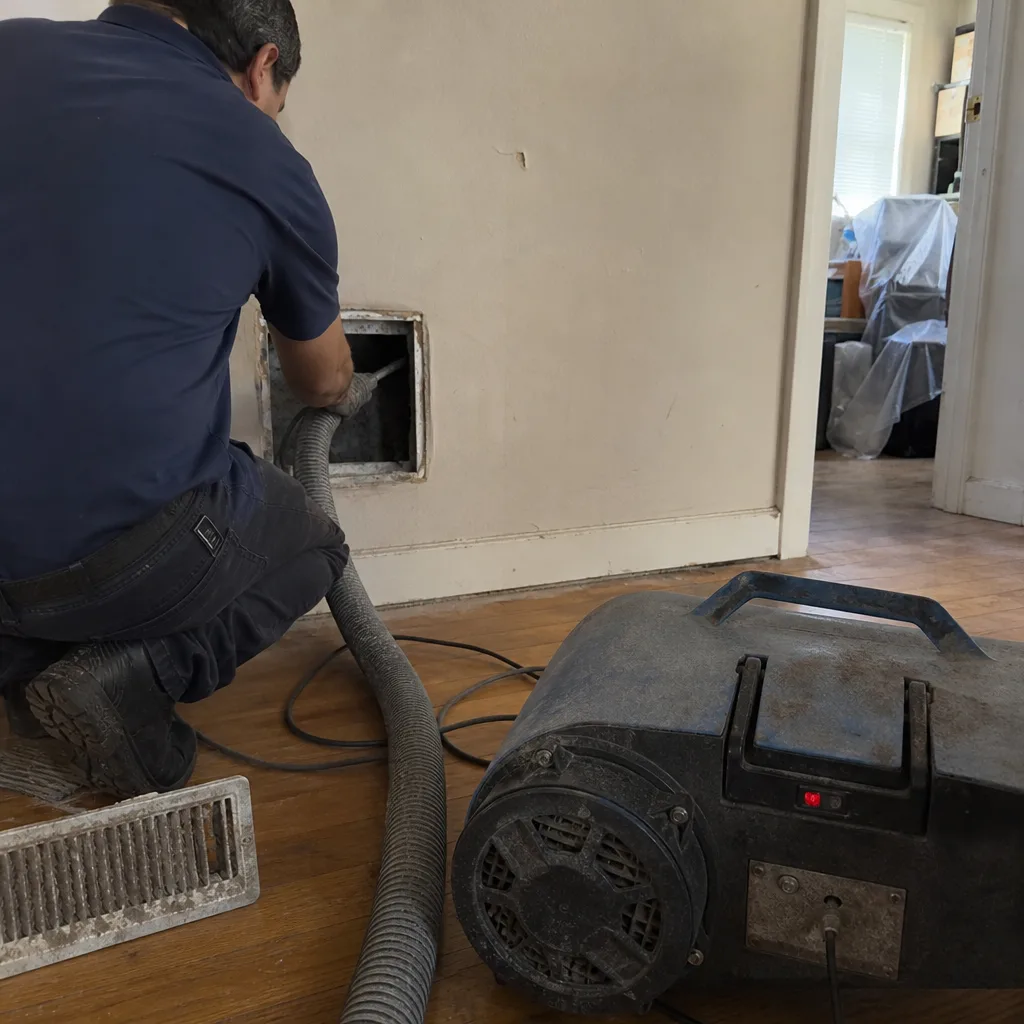 Before
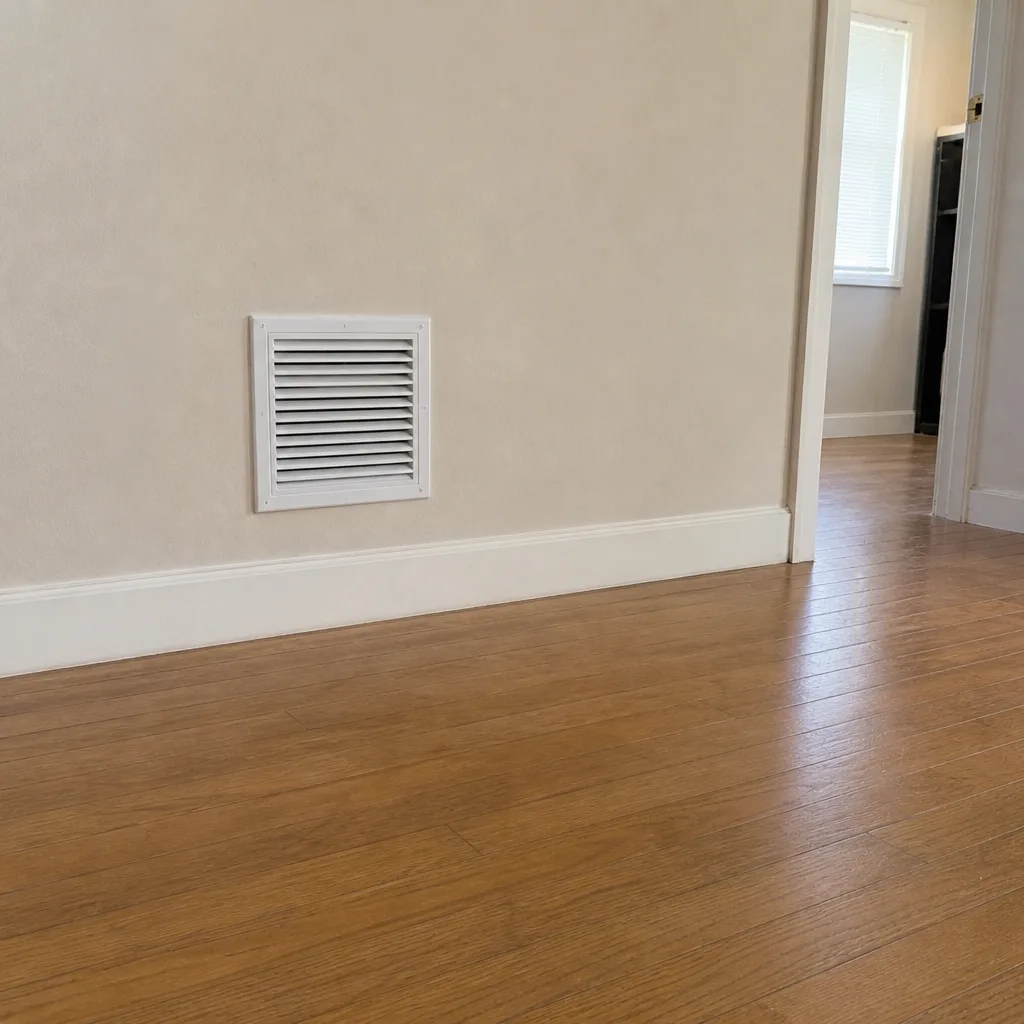 After
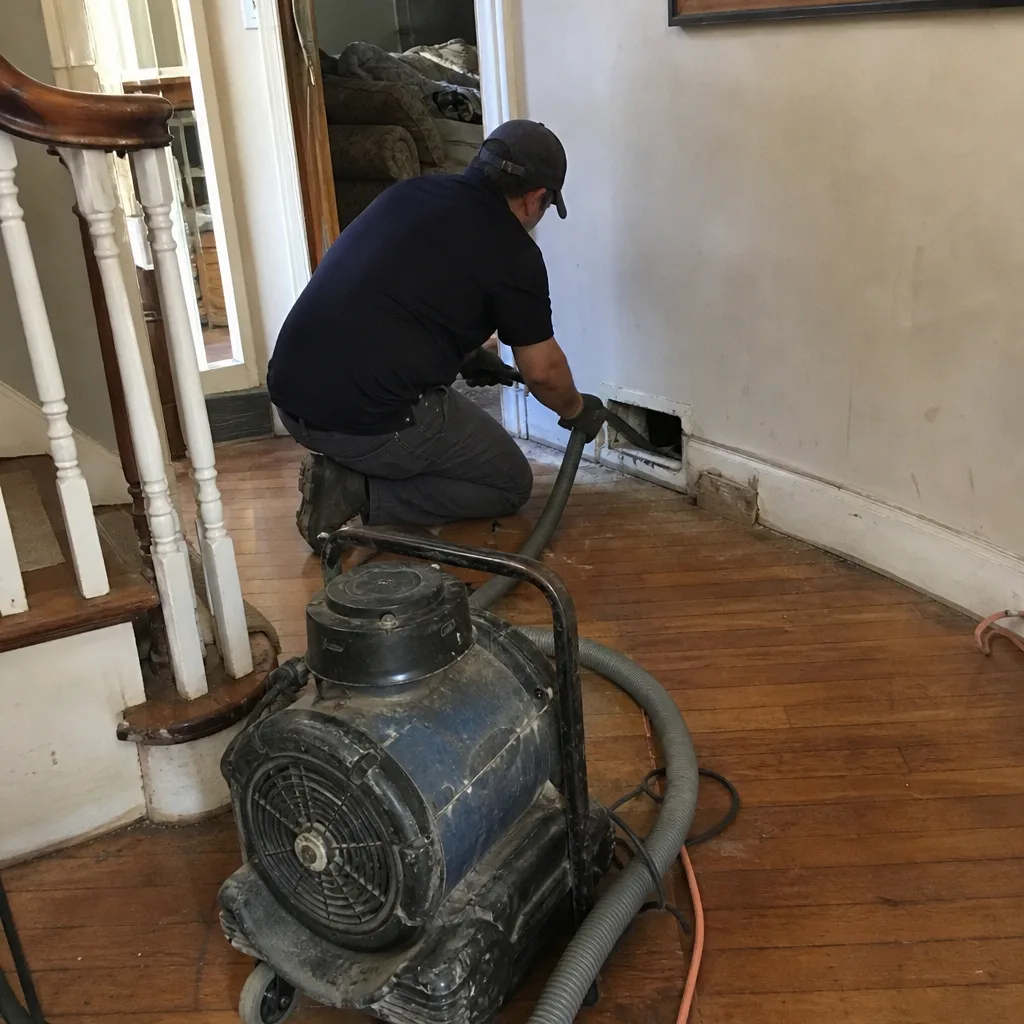 Before
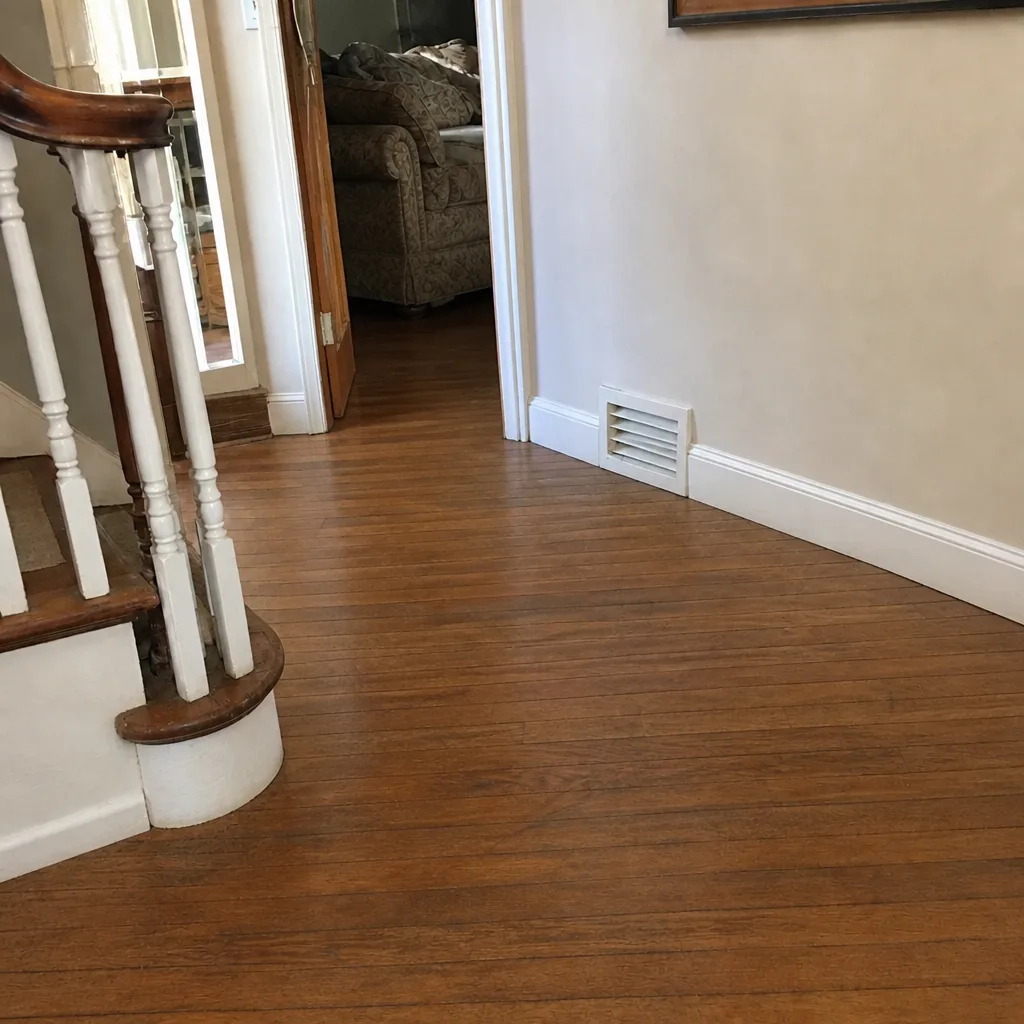 After
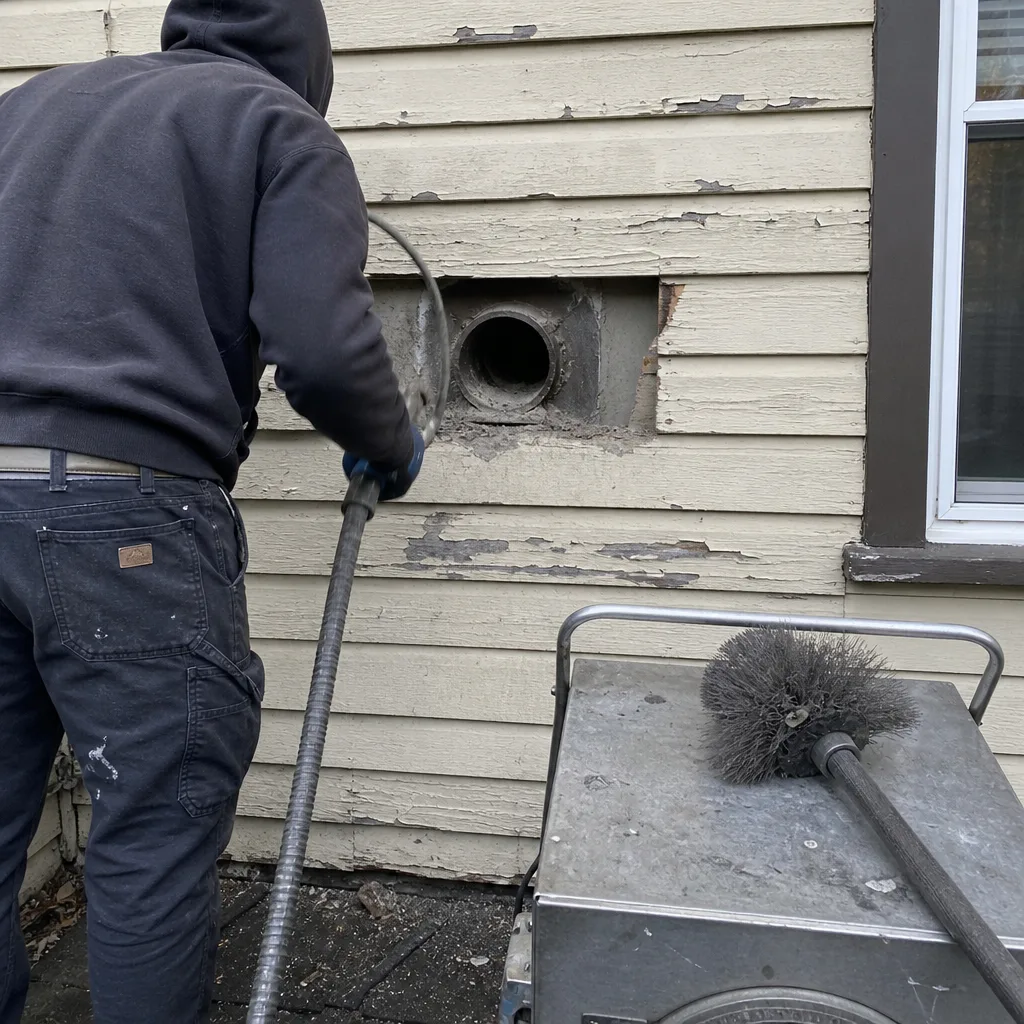 Before
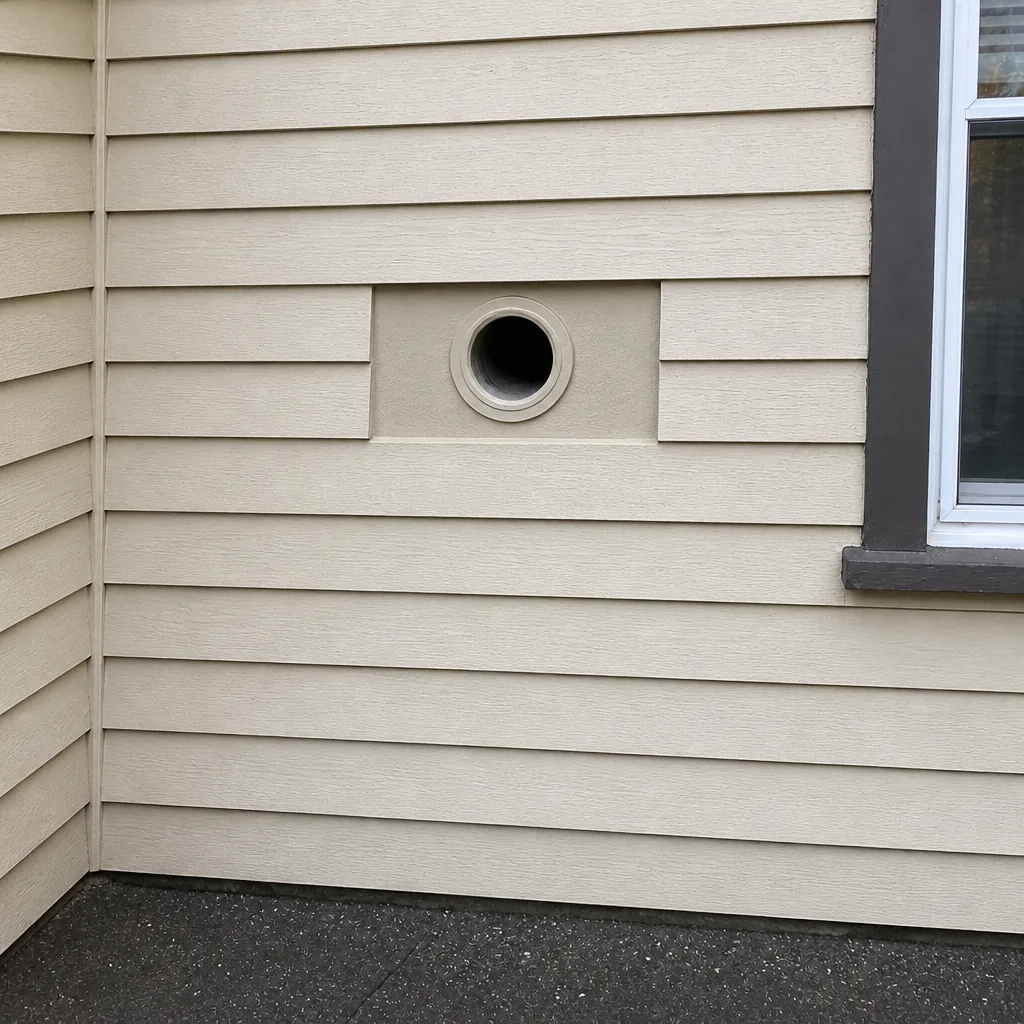 After
When to Call a Professional
Some air quality issues are worth a call to a professional. If you notice musty odors when the HVAC kicks on, visible dust puffing from supply registers, uneven airflow between rooms, or a spike in allergy symptoms when the system runs, those are signals that the entire air pathway needs assessment. If you’ve had recent renovations and dust is still settling weeks later, the ducts may be holding it. If your dryer takes two cycles to dry a load, the vent run is likely blocked.
These problems don’t fix themselves with a filter change. Air Duct Cleaning Richmond Hill offers free estimates in Richmond Hill, and the quote is itemized so you can see exactly what the work involves. Call (888) 362-5954. We answer 24/7. Fast dispatch from 7am to 7pm, Sunday through Friday.
Frequently Asked Questions
A full-system cleaning in Richmond Hill typically runs $450 to $1,200 in 2026. Basic vent-only cleanings run $300 to $450 but skip HVAC component cleaning and sealing. The written estimate sets the final price, and it should be itemized. Call (888) 362-5954 for an exact quote. Estimates are free.
Cheap quotes usually cover less work, not the same work for less money. A $299 quote often omits HVAC component cleaning, sealing, and post-cleaning sanitization, and may use portable vacuums instead of contractor-class equipment. Compare line items on the estimate, not the total. Call (888) 362-5954 and we’ll walk through what a complete job includes.
Ask for before-and-after photos of your own ducts, the plenum, and the blower compartment. A company using Rotobrush and Nikro equipment can show you what the camera saw before and after source removal. If a company can’t provide photographic proof, treat that as a warning sign. Call (888) 362-5954 to see what a documented job looks like.
Every three to five years is the general interval for a typical home, but pets, allergies, renovations, and duct material all shift it. Homes with sealed metal ducts and a quality filter can stretch the interval. Homes with pets or recent renovation dust shorten it. Call (888) 362-5954 for an assessment that fits your household.
Yes, because older homes rarely have the same duct layout as newer ones. Homes from the 1950s and 1960s often have metal duct systems that clean more predictably. Homes built from the 1980s onward often use flex branch runs that take more careful handling. A company pricing by vent count won’t catch this difference. Call (888) 362-5954 and we’ll price based on your actual system.
Yes, if your dryer vent hasn’t been cleared recently. Lint buildup inside the vent is a documented fire risk, and it’s a service many duct cleaners skip. Adding it to a duct cleaning call covers the fire-safety gap without a second appointment. Call (888) 362-5954 to bundle it into your estimate.
The Bottom Line
A $299 quote and a $900 quote can both be legitimate; they just don’t describe the same service. The difference is scope: inspection, source removal cleaning, HVAC component cleaning, sanitization, and sealing are each real line items, and any bid that omits one is cheaper for a reason. Price against square footage and system complexity, not vent count. Add coil cleaning, dryer vent clearing, and duct sealing when they apply, skip vague upsells, and calculate cost-per-year against your expected interval. Then ask for a written estimate, one flat price per system, and before-and-after photos of your own ducts.
Written by the team at Air Duct Cleaning Richmond Hill.